
CAN bus telematics and speed interface
Feed a tracker, tachograph or fleet device clean speed and status signals off the vehicle network, with no cutting into the factory loom.
What a CAN bus telematics interface does
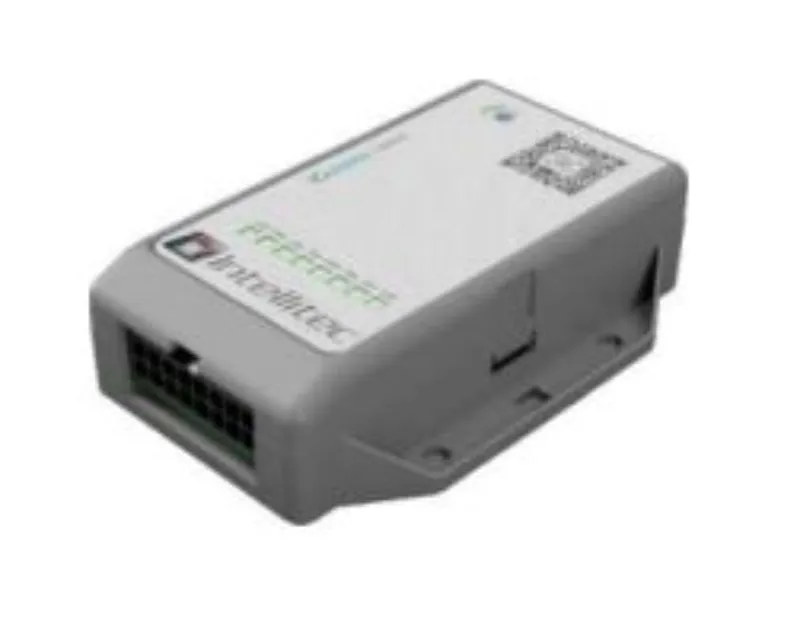
A CAN bus telematics interface takes the signals a fleet device needs, road speed, ignition and status, off the vehicle network and provides them cleanly to a tracker, tachograph or fleet unit. The device reports accurate journeys and driver data without a single cut into the factory wiring.
It's how telematics goes onto a modern vehicle tidily. Rather than chasing a speed wire or an ignition feed through the loom, the interface reads the network and hands the fleet device exactly what it expects.
Why fleet installs read the network
A tracker is only as good as its data. It needs true road speed for journey and driver reporting, and a reliable ignition state to log trips correctly. On a modern vehicle those signals live on the CAN bus, so reading the network beats splicing wires that may no longer exist.
- Accurate reporting: a true speed feed means correct journeys, distances and driver behaviour.
- Clean trip logging: a reliable ignition state records start and stop without guesswork.
- A tidy, warranty-safe install: the interface reads the network rather than cutting the loom.
- One method across the fleet: the same approach fits a mixed fleet of makes and models.
What the telematics feed drives
Clean speed and status signals are the foundation of accurate fleet data.
Vehicle trackers
True speed and ignition for journey logging, driver behaviour and fleet reporting.
Digital tachographs
A compliant speed input for tachograph systems on commercial vehicles.
Fleet management units
Status feeds for utilisation, timesheets and duty-of-care reporting.
Driver behaviour systems
Accurate speed data for scoring harsh driving and speeding events.
Asset and plant tracking
Engine and ignition status for tracking working plant and equipment.
Insurance and compliance telematics
Reliable data for insurance-linked and compliance-driven schemes.







Rolling telematics out across a fleet?
Tell us the fleet and the devices, and our engineers will confirm a clean speed and status feed off the CAN bus.
Reference
How the telematics interface works
It reads the signals the fleet device needs and provides them without touching the loom.
- 1
Connect to the network
The interface joins the vehicle CAN bus and reads speed, ignition and status messages already present, with no splice into the loom.
- 2
Decode the feeds
It identifies road speed and ignition state for that make and model, and other status where the device needs it.
- 3
Provide clean outputs
It presents a speed signal and an ignition feed in the form the tracker or tachograph expects.
- 4
Report accurately
The fleet device logs journeys, distance and driver data from true vehicle signals.
Which vehicles it covers
Speed, ignition and status are carried on the CAN bus of modern cars, vans, trucks and buses, the full span of a mixed fleet. The interface reads each manufacturer's messages in configuration, so one product covers them without different hardware.
Coverage spans the common UK fleet, kept current with in-house firmware. Scorpion has designed and built vehicle telematics in the UK since 1973, so the tracking and the interface come from the same manufacturer.
As a telematics manufacturer, we build the tracking as well as the interface. ScorpionTrack devices and our fleet platform are designed and supported in-house, so the whole chain, from the signal on the network to the report on the screen, is engineered by one company.
For tachograph work the interface provides a compliant speed input on commercial vehicles. For a wider install it pairs with the multi-output interface, so cameras and lighting run from the same clean takeoff.
Common fitments include:
Common questions
What is a CAN bus telematics interface?
It is an interface that takes speed, ignition and status signals off the vehicle network and provides them to a tracker, tachograph or fleet device, so it reports accurately without cutting the loom.
Why does a tracker need a CAN speed feed?
True road speed gives accurate journeys, distances and driver-behaviour data. On a modern vehicle that speed is a network message, so an interface provides it cleanly.
Does it work with tachographs?
Yes. The interface can provide a compliant speed input for digital tachograph systems on commercial vehicles.
Can I fit telematics without cutting the loom?
Yes. Reading the network rather than splicing wires is the whole point of a CAN interface, keeping the install clean and reversible.
Do you make the tracking as well?
Yes. Scorpion designs and manufactures ScorpionTrack telematics and the fleet platform in the UK, so the signal, the device and the reporting come from one company. Speak to us about the fleet.