
CAN bus multi-output interface
Take speed, ignition, reverse, illumination and park-brake signals from one connection to the vehicle network, for a complete accessory install off a single interface.
What a CAN bus multi-output interface does
A CAN bus multi-output interface reads several signals off the vehicle network at once and provides them as separate outputs from a single connection. From one install you get speed, ignition, reverse, illumination and park-brake feeds, the signals most accessory fits need together.
Instead of a separate module for each signal, one interface covers the lot. That means one connection to the network, less wiring, and a tidier, faster install, whether the job is a camera and screen retrofit or a full telematics and lighting fit.
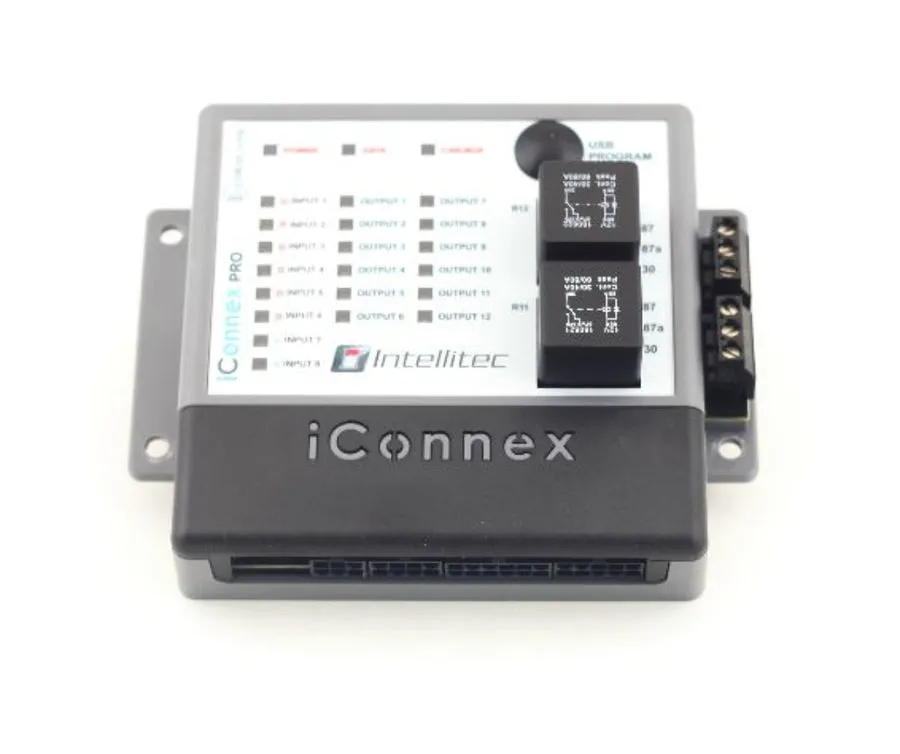
Why one interface beats several single modules
Most real installs need more than one signal. A camera needs reverse and ignition; a head unit needs illumination and park brake; a tracker needs speed and ignition. Fitting a separate module for each means more connections, more wiring and more to go wrong.
- Five signals, one connection: speed, ignition, reverse, illumination and park brake from a single interface.
- Less wiring: one network takeoff instead of several, so the install is quicker and cleaner.
- Fewer points of failure: one configured module rather than a stack of separate ones.
- The full accessory fit: enough signals to cover cameras, screens, trackers and lighting together.
What a multi-output feed drives
One interface can supply the signals for a whole accessory install.
Camera and screen retrofits
Reverse, ignition and illumination together for a camera, monitor and head-unit fit.
Telematics installs
Speed and ignition for a tracker, with the other signals on hand for cameras and lighting.
Van conversions
One tidy takeoff for the electronics added across a conversion.
Head-unit upgrades
Illumination and park brake so a new head unit dims and enables parked functions correctly.
Fleet rollouts
A repeatable single-interface install across a mixed fleet.
Parking and safety kit
Reverse and speed for parking aids and speed-aware camera systems.







Planning a full accessory install?
Tell us the vehicle and the signals the job needs, and our engineers will confirm the right multi-output interface.
Reference
How the multi-output interface works
It reads several messages off one network connection and presents each as its own output.
- 1
Connect to the network
The interface makes a single connection to the vehicle CAN bus, with no cutting into the factory loom.
- 2
Read multiple messages
It decodes speed, ignition, reverse, illumination and park-brake state for that make and model.
- 3
Provide separate outputs
Each signal is presented as its own output, a speed pulse, a switched live, a reverse trigger and so on.
- 4
Feed the accessories
Cameras, screens, trackers and lighting each take the outputs they need from the one interface.
Which vehicles it covers
Speed, ignition, reverse, illumination and park-brake state are all carried on the CAN bus of modern cars, vans and trucks. The interface reads each manufacturer's messages in configuration, so one product delivers the full set of outputs across a mixed fleet.
Coverage spans the common UK van and truck fleet, kept current with in-house firmware. Scorpion has built vehicle electronics in the UK since 1973.
It's the interface installers reach for on a proper fit-out. A van conversion, a fleet telematics and camera rollout, or a multimedia and reversing retrofit, all covered from one clean connection.
Where a job needs only one signal, the single-output interfaces are the right choice. Where it needs several, the multi-output interface is the efficient one. If a build needs signals or logic beyond the standard set, we can develop for it as a manufacturer.
Common fitments include:
Common questions
What is a CAN bus multi-output interface?
It is an interface that reads several signals off the vehicle network from a single connection and provides them as separate outputs, typically speed, ignition, reverse, illumination and park brake.
Why use one multi-output interface instead of several modules?
One interface means one connection to the network, less wiring and fewer points of failure, while still delivering all the signals a full accessory install needs.
Which signals does it provide?
Commonly speed, ignition and accessory, reverse, illumination and park brake, the signals most camera, screen, tracker and lighting installs rely on.
Can I use just some of the outputs?
Yes. Take only the outputs the job needs and leave the rest. The single interface still simplifies the install.
Can you provide extra signals beyond the standard set?
Yes. As a UK manufacturer we can develop for signals or logic beyond the standard outputs. Speak to us about the vehicle and what the install needs.