
CAN bus ignition and accessory output
A clean switched-live feed off the vehicle network, so cameras, trackers and equipment power up with the ignition and switch off when it does.
What a CAN bus ignition output does
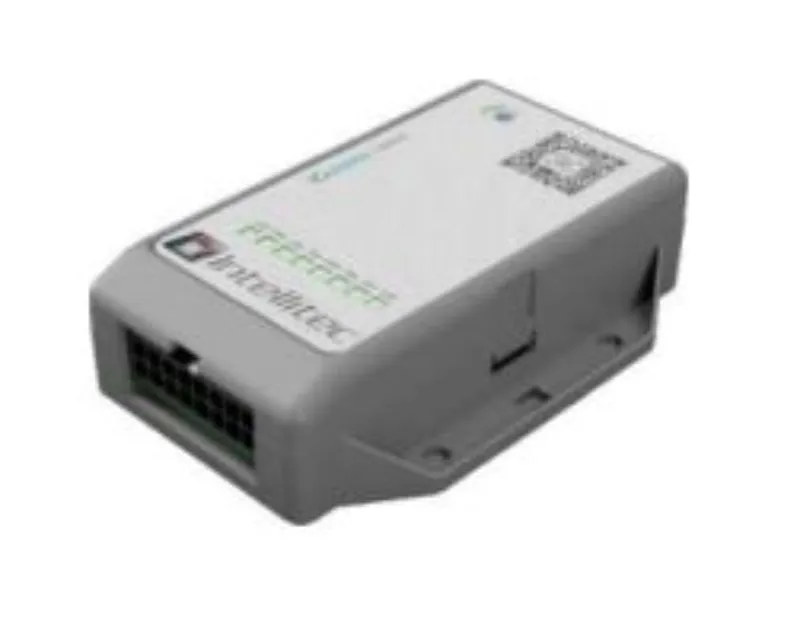
A CAN bus ignition interface reads the ignition state on the vehicle network and produces a switched-live output that is on when the vehicle is running and off when it is not. Accessories wired to it power up and shut down with the vehicle, with no permanent draw on the battery.
It gives you the accessory feed that older vehicles offered on a physical wire, but which modern vehicles now carry as a network message. The output comes off the CAN bus, so there's no need to find and splice an ignition-switched live in the loom.
Why a network-derived ignition feed matters
Almost every add-on needs to know when the vehicle is on. Get that feed wrong and you either drain the battery on a permanent live, or you chase a switched wire through a loom that no longer has a simple one to tap.
- No battery drain: the output follows the ignition, so kit is not left powered when the vehicle is parked.
- A true accessory state: it reflects the vehicle's own ignition and accessory modes, not a guessed voltage.
- Clean wiring: one feed off the network replaces hunting for a switched live behind the dash.
- Repeatable across the fleet: the same method works on a mixed fleet without rewiring each vehicle differently.
What the ignition feed powers
A reliable switched live is behind nearly every clean accessory install.
Cameras and monitors
Power reversing and safety cameras and their screens only when the vehicle is in use.
Telematics and trackers
Wake a tracker with the ignition, or confirm ignition state for accurate reporting.
Parking and driver aids
Bring parking sensors and driver-assist kit to life with the vehicle.
Two-way radios and comms
Switch mobile radios and comms equipment on accessory or ignition.
Beacons and work lights
Interlock aux lighting so it only powers when the vehicle is running.
Converted vehicle electronics
A clean ignition feed for the electrical systems added to a van or truck conversion.







Need a clean ignition feed off the CAN bus?
Tell us the vehicle and what the output powers, and our engineers will confirm the right interface.
Reference
How the ignition output works
It mirrors the vehicle's own power state onto a wire your equipment can use.
- 1
Connect to the network
The interface joins the CAN bus and reads the ignition and accessory messages already present, with no splice into a switched live.
- 2
Read the ignition state
It decodes whether the vehicle is off, in accessory mode, or running, for that make and model.
- 3
Switch the output
It drives a switched-live output that follows the ignition, and where needed a separate accessory-mode output.
- 4
Power the accessory
Connected equipment powers up when the vehicle is on and shuts down cleanly when it's off, protecting the battery.
Which vehicles it covers
Ignition and accessory state is carried on the CAN bus of virtually every modern car, van and truck. The interface reads each manufacturer's message format in configuration, so one product spans a mixed fleet without different hardware.
Coverage takes in the common UK van and truck fleet, kept current with in-house firmware. Scorpion has built vehicle electronics in the UK since 1973.
Many installs need more than a single on/off. The interface can distinguish accessory mode from a running engine, so equipment that should run on accessory behaves differently from equipment that needs the engine turning.
Pair it with a reverse trigger and a speed feed, and a camera, a screen and a tracker all wake and sleep with the vehicle.
Common fitments include:
Common questions
What is a CAN bus ignition output?
It is an interface that reads the ignition state on the CAN bus and provides a switched-live output, on when the vehicle is running and off when it isn't, so accessories power with the vehicle.
Will it stop my accessories draining the battery?
Yes. Because the output follows the ignition rather than a permanent live, connected equipment switches off when the vehicle is parked, so it does not flatten the battery.
Can it tell accessory mode from a running engine?
Yes. The interface can distinguish accessory mode from ignition-on, so kit that should only run in one state behaves correctly.
Why not just tap a switched live in the loom?
Modern vehicles often carry ignition and accessory state as network messages rather than simple switched wires. Reading the CAN bus gives a reliable feed without cutting the loom.
Can you provide ignition plus other signals from one connection?
Yes. A multi-output interface can deliver ignition alongside speed, reverse and illumination from a single connection. Speak to us about the setup.