
CAN bus beacon and work light control
Switch beacons, work lights and auxiliary lighting from clean signals off the vehicle network, interlocked to ignition, reverse or a lighting state.
What a CAN bus beacon and work light interface does
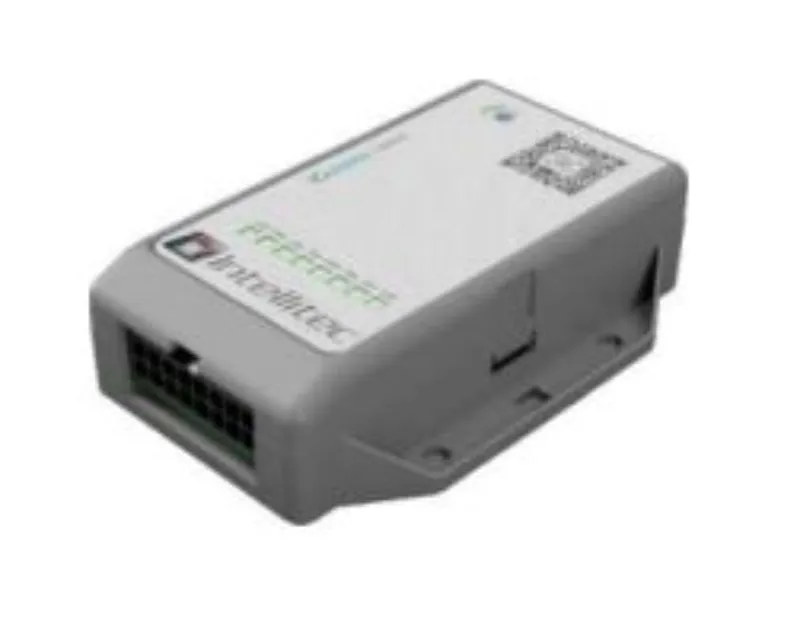
A CAN bus beacon and work light interface provides clean, low-current triggers off the vehicle network to switch beacons, work lights and other auxiliary lighting. It can interlock that lighting to the ignition, to reverse gear or to a chosen vehicle signal, so it comes on at the right time and never drains the battery when parked.
It reads the network rather than tapping the loom, so an upfitter can add beacons and work lighting to a modern vehicle cleanly. The interface handles the logic; a relay or the lamp control carries the load.
Why upfitters control aux lighting off the network
Beacons and work lights need to switch on the right condition: ignition on, reverse selected, or a dash switch pressed. On a modern vehicle those states live on the CAN bus, so reading the network is cleaner than chasing wires for each one.
- The right trigger, every time: switch a beacon on ignition, work lights on reverse, or aux lighting from a chosen signal.
- No parked-battery drain: lighting interlocked to ignition can't be left on to flatten the vehicle.
- Low-current and safe: the interface triggers relays or lamp control inputs, it doesn't carry the lighting load.
- A tidy, reversible install: control comes off the network, so the factory wiring is left intact.
What the control switches
One interface can run the working lighting on a whole upfit.
Amber beacons and light bars
Switch warning beacons on ignition or a dash switch for highways and utility work.
Rear work lights
Bring rear floods on with reverse or a switch for loading and manoeuvring in the dark.
Scene and area lighting
Switch scene lighting on recovery, breakdown and emergency builds.
Reversing alarms
Trigger an audible reversing alarm alongside the reverse camera and lights.
Load-area and interior lighting
Interlock load-space lighting to doors, ignition or a switch.
Relays and control modules
Feed relays or lighting controllers where the load is carried downstream.







Fitting beacons or work lights to a fleet?
Tell us the vehicle and the lighting, and our engineers will confirm clean control off the CAN bus.
Reference
How the beacon and work light control works
It reads the vehicle states you want to switch on, and drives triggers to match.
- 1
Connect to the network
The interface joins the CAN bus and reads ignition, reverse and other messages already present, with no cut into the loom.
- 2
Choose the trigger condition
It's set to switch on the states that matter, such as ignition on, reverse selected, or a dash-switch signal.
- 3
Switch the outputs
It drives clean low-current outputs that turn beacons and work lights on and off on those conditions.
- 4
Drive the lighting
Relays or the lamp control inputs take the triggers and carry the lighting load, keeping the interface and network safe.
Which vehicles it covers
Ignition, reverse and switch states are carried on the CAN bus of modern vans and trucks, which is where most beacon and work-light installs happen. The interface reads each manufacturer's message in configuration, so one product covers a mixed fleet.
Coverage spans the common UK van and truck fleet, kept current with in-house firmware. Scorpion has built vehicle electronics in the UK since 1973, and our group company Intellitec MV builds multiplexed power and control for demanding specialist and emergency vehicles.
It suits working fleets: recovery and breakdown, highways and utility, waste and municipal, plant and agricultural. Amber beacons, rear work lights and scene lighting switch on sensible logic rather than a permanent live.
Where a build needs beacons, work lights and several other signals together, a multi-output interface can carry them from a single connection. For lighting that follows the headlights, see the high-beam and lighting interface.
Common fitments include:
Common questions
What is a CAN bus beacon and work light interface?
It is an interface that reads vehicle states off the CAN bus and provides clean low-current triggers to switch beacons, work lights and auxiliary lighting on conditions like ignition or reverse.
Will beacons left on flatten the battery?
Not when they're interlocked to the ignition. The interface can switch lighting off with the vehicle, so it isn't left drawing current when parked.
Does it carry the lighting current?
No. It provides low-current triggers for relays or lamp control inputs, which carry the load. That protects the interface and the vehicle network.
Can work lights come on with reverse?
Yes. Reading the reverse signal off the network, the interface can switch rear work lights on when reverse is selected, for loading and manoeuvring.
Can you develop control for a specialist vehicle?
Yes. We design and manufacture CAN electronics in the UK, and our group company Intellitec MV builds multiplexed control for specialist and emergency vehicles. Speak to us about the build.