
CAN bus high-beam and lighting interface
Trigger light bars and auxiliary lighting from the vehicle's own high-beam, DRL and side-light signals, taken cleanly off the CAN bus.
What a CAN bus lighting interface does
A CAN bus high-beam and lighting interface reads lighting signals on the vehicle network, high beam, daytime running lights and side lights among them, and outputs a clean low-current trigger for auxiliary lighting. A light bar or spot lamps can then follow the vehicle's own high beam without wiring into the headlight circuit.
It gives installers a reliable trigger where modern LED and CAN-controlled headlights make tapping the bulb feed unreliable. The interface reads the network instead, so the factory lighting stays untouched and no fault is thrown.
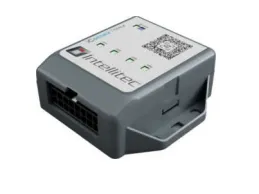
Why aux lighting needs a network trigger
Wiring a light bar to flash on with main beam used to mean splicing the headlight feed. On a vehicle with LED lighting or a CAN-controlled front end, that feed is often dimmed, pulsed or monitored, so a spliced trigger misbehaves or logs a bulb fault.
- A true high-beam trigger: the light bar follows the vehicle's own main beam, cleanly.
- No bulb-out faults: reading the network avoids loading a monitored LED lighting circuit.
- Low-current switching: the interface triggers a relay or the lamp's control input, it doesn't carry the lamp load itself.
- More than high beam: DRL and side-light detection let you switch markers and aux lighting on their own signals.
What the lighting trigger drives
A clean lighting signal is the trigger behind most auxiliary lighting installs.
Light bars and spot lamps
Switch driving lights and light bars on with the vehicle's main beam.
Daytime running lights
Trigger aftermarket DRLs or markers from the vehicle's DRL or side-light signal.
Work and scene lights
Switch utility and scene lighting from a chosen lighting or ignition signal.
Off-road auxiliary lighting
A tidy, fault-free trigger for extra lighting on 4x4 and utility builds.
Marker and perimeter lights
Follow the side-light signal for markers on larger or specialist vehicles.
Relay and control inputs
Feed a relay or a lamp control input where the lighting draws real current.







Adding auxiliary lighting to a vehicle?
Tell us the vehicle and the lighting, and our engineers will confirm a clean trigger off the CAN bus.
Reference
How the lighting interface works
It watches the vehicle's lighting messages and switches an output to match.
- 1
Connect to the network
The interface joins the CAN bus and reads the lighting messages already present, with no splice into the headlight wiring.
- 2
Detect the lighting signal
It identifies high beam, DRL or side-light state for that make and model.
- 3
Switch a trigger output
It drives a low-current output that turns the auxiliary lighting on and off in step with the chosen signal.
- 4
Drive the lighting
A relay or the lamp's control input takes the trigger and switches the light bar or spots, carrying the load itself.
Which vehicles it covers
High beam, DRL and side-light state is carried on the CAN bus of modern cars, vans, pickups and trucks, including the LED front ends that make splicing awkward. The interface reads each manufacturer's message in configuration, so one product covers a mixed fleet.
Coverage spans the common UK van, pickup and truck fleet, kept current with in-house firmware. Scorpion has built vehicle electronics in the UK since 1973.
Because it works from the network, one approach covers headlight setups that would each need a different splice. It suits off-road and utility builds, recovery and agricultural vehicles, and any fit where extra lighting has to be legal and tidy.
For beacons and rear work lights, which switch on their own logic rather than the headlights, the beacon and work-light control is the natural partner.
Common fitments include:
Common questions
What is a CAN bus high-beam interface?
It is an interface that detects the high-beam signal on the CAN bus and outputs a clean trigger for auxiliary lighting, so a light bar or spots follow the vehicle's main beam without wiring into the headlight circuit.
Why not wire the light bar to the headlight feed?
Modern LED and CAN-controlled headlights use dimmed or monitored circuits, so a spliced feed can misbehave or log a bulb fault. Reading the network gives a clean, reliable trigger.
Does it power the light bar directly?
No. It provides a low-current trigger for a relay or the lamp's control input, which carries the lighting load. That keeps the interface and the network safe.
Can it trigger from DRL or side lights too?
Yes. As well as high beam, it can detect daytime running lights and side lights, so you can switch markers and aux lighting on the right signal.
Can you supply a lighting interface for a specific build?
Yes. We design and manufacture CAN electronics in the UK. Speak to us with the vehicle and the lighting you're fitting and we'll confirm the right approach.