
CAN reverse trigger for cameras and parking aids
Switch a reversing camera or parking system on the moment reverse gear is selected, taken cleanly off the CAN bus.
What a CAN reverse trigger does
A CAN reverse trigger reads the reverse-gear message on a vehicle's CAN network and produces a 12V output whenever the vehicle is put into reverse. That output switches an aftermarket camera, monitor or parking aid on at exactly the right moment.
It replaces the old method of splicing into the reverse light wiring, which on a modern vehicle is often a switched digital circuit rather than a simple live you can tap. The interface connects to the network instead, so the factory loom stays untouched.
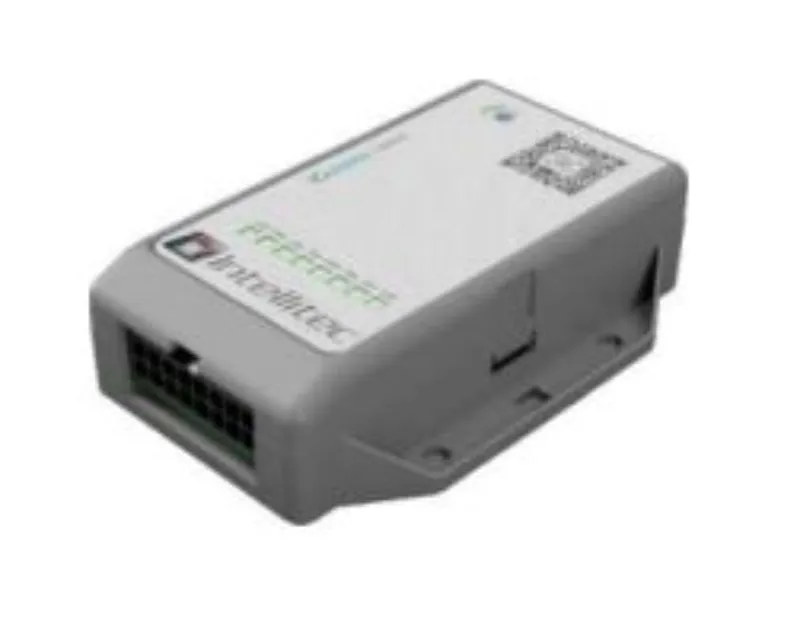
Why installers use a CAN trigger instead of the reverse light
Tapping the reverse light feed used to be the standard trick for waking a camera. On today's vehicles it is unreliable and sometimes impossible: the circuit can be CAN-controlled, PWM-dimmed or protected, so a spliced feed reads the wrong voltage or throws a fault.
- A true reverse signal: the trigger comes from the gear message, so the camera switches exactly when reverse is selected.
- No fault codes: reading the network avoids loading a protected lighting circuit that can log an error.
- A clean install: one connection to the bus, rather than chasing and cutting a live at the rear of the vehicle.
- Reliable across models: the same approach works where reverse lights are LED, dimmed or digitally switched.
What the reverse signal drives
A reliable reverse trigger is the switch behind most rear-view and manoeuvring aids.
Reversing cameras
Wake the camera and bring its view up automatically when reverse is selected.
Camera monitors and screens
Switch a monitor to the rear view, then return it to its previous source.
Parking sensor systems
Activate a retrofit parking aid on the way into a space.
Reversing alarms and beacons
Switch an audible reversing alarm or a rear work light on commercial vehicles.
Side-scan and blind-spot cameras
Trigger side-scan and blind-spot camera systems for Direct Vision Standard and FORS compliance on commercial vehicles.
Trailer and body cameras
Trigger cameras mounted on van conversions, boxes and trailers.







Fitting a camera or parking system?
Tell us the vehicle and the kit, and we'll confirm a clean reverse trigger off the CAN bus.
Reference
How the reverse trigger works
It watches for one specific change on the network and acts on it.
- 1
Connect to the network
The interface joins the CAN bus and reads the messages already present, with no cut into the reverse light wiring.
- 2
Detect reverse gear
It identifies the reverse-gear message for that make and model and watches for it to become active.
- 3
Switch the output
The moment reverse is selected, it drives a 12V output; when reverse is released, the output turns off.
- 4
Trigger the camera
The camera, monitor or parking aid receives the switched feed and activates, then returns to standby afterwards.
Which vehicles it covers
Cars, vans, trucks and specialist vehicles all report gear or reverse state on the CAN bus, so the reverse trigger applies broadly. The message differs by manufacturer, which the interface handles in configuration rather than in different hardware.
Coverage spans the common UK van and truck fleet, kept current with in-house firmware. We've designed and built vehicle electronics in the UK since 1973.
The output is a plain switched 12V, so it drives the camera, powers a monitor, or tells a parking system to activate, whatever the kit expects.
For a full setup it pairs naturally with a parking-sensor interface and an ignition output, so the screen powers up with the vehicle and the camera view appears the instant you select reverse.
Common fitments include:
Common questions
What is a CAN reverse trigger?
It is an interface that reads the reverse-gear message on the CAN bus and outputs a switched 12V feed while reverse is selected, used to trigger cameras and parking aids.
Why not just wire the camera to the reverse light?
On many modern vehicles the reverse light is a CAN-controlled, dimmed or protected circuit. A spliced feed can read the wrong voltage or log a fault, so a network-read trigger is more reliable.
Does the output power the camera directly?
It provides a switched 12V trigger. Depending on the camera, that can power it directly or act as the signal that tells a monitor or system to switch to the rear view.
Will it work with LED reverse lights?
Yes. Because the trigger comes from the network rather than the lighting circuit, LED, dimmed or digitally switched reverse lights are not a problem.
Can it trigger a side-scan or blind-spot camera?
Yes. The same clean signals off the CAN bus can trigger side-scan and blind-spot cameras used for Direct Vision Standard and FORS compliance, alongside a rear reversing camera.
Can you combine reverse with other signals?
Yes. A multi-output interface can provide reverse alongside ignition, speed and illumination from a single connection. Speak to us about the setup you need.