
CAN bus parking sensor interface
Fit a retrofit parking system that behaves like a factory one, taking its control signals cleanly off the vehicle network.
What a CAN parking sensor interface does
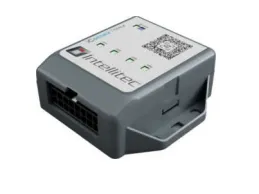
A CAN parking sensor interface gives a retrofit parking aid the control signals it needs by reading them off the vehicle network. It knows when the vehicle is in reverse, when the ignition is on, and when to activate, without any of those feeds being tapped from the factory wiring.
The result is a parking system that switches on at the right moment and turns off cleanly, rather than beeping constantly or needing a manual switch. The interface talks to the CAN bus, so the vehicle's own loom stays intact.
Why a network-controlled parking aid installs better
Retrofit parking sensors are simple in theory: sensors in the bumper, a buzzer or display in the cab. The awkward part is telling the system when to work. On a modern vehicle the signals it needs live on the CAN bus, not on wires you can easily reach.
- Activates on reverse: the system comes alive when reverse is selected and stays quiet the rest of the time.
- Powers with the vehicle: a switched-live feed off the network means no permanent draw on the battery.
- No loom cutting: control comes from the bus, so the factory wiring and warranty are protected.
- Factory-like behaviour: the aid switches itself on and off, with no manual button for the driver to remember.
What the interface controls
One network connection can drive a complete parking and manoeuvring setup.
Rear parking sensors
Activate rear sensors on reverse for a clean, factory-style parking aid.
Front parking sensors
Bring front sensors in at low speed and hand back to rear on reverse.
Buzzers and displays
Power the cab buzzer or distance display only when the system is active.
Reversing cameras
Combine sensor distance alerts with a camera view for tight manoeuvres.
Van and conversion builds
Add a reliable parking aid to panel vans and conversions with awkward looms.
Commercial and specialist vehicles
Manoeuvring aids for larger vehicles where blind spots are a real risk.







Retrofitting a parking system?
Tell us the vehicle and the kit, and we'll confirm clean control off the CAN bus.
Reference
How the parking interface works
It reads a few key states off the network and switches the parking system accordingly.
- 1
Connect to the network
The interface joins the CAN bus and reads ignition, gear and speed messages already present on the wire.
- 2
Wake with the vehicle
When the ignition comes on, it makes a switched-live feed available to power the parking system.
- 3
Activate on demand
It watches for reverse gear, and at low speed where relevant, then enables the sensors and the driver's display or buzzer.
- 4
Stand down cleanly
When the vehicle drives away or the ignition goes off, the system deactivates so there is no false alerting or battery drain.
Which vehicles it covers
The ignition, gear and speed states a parking aid relies on are carried on the CAN bus of virtually every modern car, van and truck. The interface adapts to each manufacturer's message format in configuration, so one product covers a mixed fleet.
Coverage spans the common UK van and truck fleet, kept current with in-house firmware. We've manufactured vehicle electronics in the UK since 1973.
For front-and-rear systems the interface can hold the front sensors active briefly at low speed and hand over to the rear on reverse, using the speed and gear signals already on the network.
It sits alongside the reverse trigger and ignition output in the same family of takeoffs, so a camera, a screen and a parking aid can all run from one clean connection.
Common fitments include:
Common questions
What is a CAN parking sensor interface?
It is a module that reads ignition, gear and speed signals off the CAN bus to control a retrofit parking aid, so the system activates with reverse and powers with the vehicle without tapping the factory loom.
Why not wire the parking sensors to the reverse light?
The reverse light on a modern vehicle is often a CAN-controlled or protected circuit, and it only gives you reverse, not ignition or speed. Reading the network gives cleaner control and avoids faults.
Can it run front and rear sensors?
Yes. Using the speed and gear signals on the network, the interface can bring front sensors in at low speed and switch to the rear on reverse.
Will it drain the battery?
No. It powers the parking system from a switched-live feed derived from the ignition state, so there is no permanent draw when the vehicle is off.
Can you supply an interface for a van conversion?
Yes. We design and manufacture CAN electronics in the UK and can develop control to suit an unusual build. Speak to us about the vehicle and the system.