
CAN bus runlock system
Keep the engine running with the key out and the vehicle secure, so beacons, hydraulics and equipment stay powered at a scene, with the safety conditions read off the CAN bus.
What a CAN bus runlock system does
A runlock system lets a vehicle's engine keep running after the key is removed, so it can be locked and left while beacons, hydraulics, heating or scene equipment stay powered. Take the driver's seat and release the handbrake or touch a pedal, and the engine cuts, so the vehicle cannot be driven away.
A CAN bus runlock reads the conditions it needs, handbrake, gear, footbrake and door state, off the vehicle network rather than splicing into each circuit. That keeps the install clean and lets the system enforce the safety rules reliably.
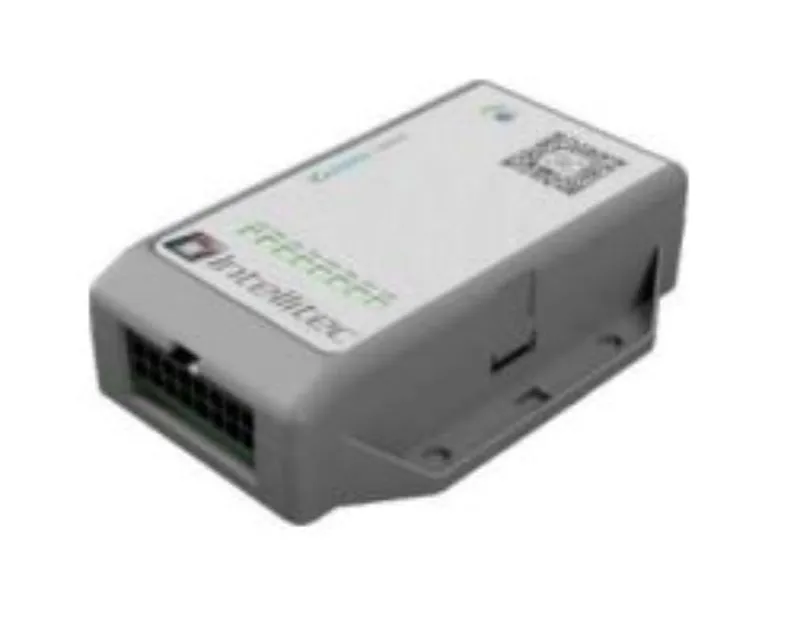
Why emergency and utility fleets fit runlock
Some vehicles have to sit at a scene with the engine running: an ambulance keeping equipment live, a recovery truck working hydraulics, a utility van running a compressor. Leaving the key in is a theft and safety risk. Runlock removes it while keeping the power on.
- Engine runs, key out: power stays live while the vehicle is locked and secure.
- Drive-away protection: releasing the handbrake or pressing a pedal cuts the engine.
- Conditions read off CAN: handbrake, gear and door state come from the network, not spliced wires.
- Right for blue-light and utility: built for the vehicles that work while parked.
Where runlock fits
Runlock is built for the vehicles that have to work with the engine running.
Ambulances and blue-light
Keep medical and scene equipment powered while the vehicle is secured.
Recovery and breakdown
Run hydraulics and winches at a scene without leaving the key in.
Highways and utility
Power compressors, lighting and tools on utility and maintenance vehicles.
Refuse and municipal
Keep body equipment live on stop-start municipal rounds.
Airport and ground support
Secure vehicles that idle to run onboard equipment.
Welfare and mobile units
Hold power to welfare, catering and workshop bodies while parked.
CAN KONTROL lines for runlock and idle control
CAN KONTROL RUNLOCK(opens in a new tab)
Keeps the engine running with the key out, with handbrake and door interlocks read off the bus.
CAN KONTROL IDLE(opens in a new tab)
Raises idle for auxiliary equipment and PTO work, on CK-CV hardware.
CAN KONTROL BLUELIGHT(opens in a new tab)
Bundles beacon, runlock and high-idle logic in one module for emergency builds.
Runlock lines at Intellitec MV(opens in a new tab)Compare with CANM8 product names



Running vehicles that work while parked?
Tell us the vehicle and how it's used, and our engineers will confirm the right runlock setup.
Reference
Fitting a CAN runlock system safely
Runlock keeps an engine turning with nobody in the cab, so the interlocks are the job and the wiring is secondary. Agree the safety policy in writing before you open the vehicle, and treat every test below as mandatory.
Tools for the job
- Digital multimeter
- Wiring information for the vehicle
- Trim removal tools
- The operator's written interlock policy
- Wheel chocks for the interlock tests
Supplies to have ready
- Fuse and holder for the module's supply
- Back-probe connectors for the CAN pair
- Relays or leads for the engine-cut and start-hold circuits as the module's documentation specifies
- Labels for every wire added
- 1
Agree the interlock policy first
Settle with the operator which conditions must hold the engine running and which must stop it. The system reads handbrake, gear, footbrake and door state, and the policy decides what each one does.
- 2
Check the vehicle type
Check for keyless start, an electronic park brake, an automatic gearbox or a push-button starter, since each changes how the running state is reported. Describe the vehicle in full when you order.
- 3
Find the bus access point
Runlock reads several states, so you may need a connector that carries them together, commonly behind the dash or at a body control module. The wiring information shows which network each state lives on.
- 4
Identify the pair and connect
Tag high and low, confirm the pair is alive, and connect through back-probes or the inductive reader. Never cut a bus wire on a vehicle that has to remain safe when you leave it.
- 5
Supply and earth with care
Feed the module from a fused permanent live and earth it firmly. Loss of the module's supply must never leave the engine running with the interlocks off, so ask us how the module behaves on supply loss before you finalise.
- 6
Wire the engine-cut and hold circuits
Follow the module's own documentation for these connections rather than improvising. Label every wire you add and record where it joins the vehicle so any later engineer can reverse the work.
- 7
Add the high-idle or beacon logic if specified
Emergency builds often combine runlock with idle control and beacons. The idle line uses commercial-vehicle hardware, and the blue-light line bundles beacon, runlock and high-idle logic in one module.
- 8
Document the system
Write the interlock policy, the connections and the configuration reference into the hand-back pack, and show the operator how the system should behave.
Interlock tests that must pass
- With the vehicle chocked, start the runlock sequence as documented and confirm the engine keeps running with the key removed.
- Release the handbrake and confirm the engine cuts.
- Repeat with the footbrake pressed, with a gear selected, and with a door opened, confirming each cuts the engine as the policy says.
- Lock the vehicle and confirm it stays locked with the engine running.
- Test the full sequence three times in a row, then once after the vehicle has fully slept.
How CAN runlock works
It holds the engine on while it watches the network for any sign the vehicle is about to move.
- 1
Hold the engine running
When the driver sets the conditions and removes the key, the system keeps the engine running and the vehicle powered.
- 2
Secure the vehicle
The vehicle can be locked and left, with beacons, hydraulics or equipment still live.
- 3
Watch the safety signals
It reads handbrake, gear, footbrake and door state off the CAN bus to know if someone is about to drive off.
- 4
Cut on drive-away
If the handbrake is released or a pedal pressed with the conditions broken, the engine cuts immediately.
Which vehicles it covers
Runlock suits the vans and trucks that carry handbrake, gear and door state on the CAN bus, which is most modern emergency, recovery and utility vehicles. The system reads each manufacturer's signals in configuration.
Coverage keeps current as new models arrive. Speak to us with the vehicle and how it's used, and we'll confirm the right runlock setup.
Runlock pairs naturally with the other outputs on a working vehicle. The ignition and accessory output keeps kit powered, and the beacon and work-light control switches the warning and scene lighting that runs alongside it.
As a UK manufacturer with in-house R&D, and with group company Intellitec MV building power and control for emergency and specialist vehicles, we can supply runlock as part of a wider vehicle build.
Common fitments include:
Common questions
What is a runlock system?
It lets a vehicle's engine keep running with the key removed, so it can be locked and left with equipment powered. Releasing the handbrake or pressing a pedal cuts the engine, so it cannot be driven away.
How does a CAN runlock read the safety conditions?
It reads handbrake, gear, footbrake and door state off the vehicle network rather than splicing into each circuit, which keeps the install clean and the safety logic reliable.
Which vehicles use runlock?
Ambulances and blue-light vehicles, recovery trucks, highways and utility vans, refuse vehicles and other kit that has to work with the engine running while parked.
Does it stop the vehicle being stolen while it idles?
It removes the need to leave the key in, and the system is set to cut the engine if drive-away conditions are met. Runlock is a safety interlock rather than a security rating, so check your insurer's requirements for an unattended vehicle.
Can runlock be fitted as part of a wider build?
Yes. We can supply runlock alongside ignition, lighting and body control, and group company Intellitec MV builds power and control for emergency and specialist vehicles. Speak to us about the build.
Why does the engine cut the moment I remove the key?
One of the interlock conditions isn't being met when you start the sequence. Check handbrake, gear and door state with the policy in hand, then test each condition on its own. If a state is never read, send us the vehicle details so the configuration can be checked.
Why won't the engine keep running with the key out?
Confirm the start sequence in the module's documentation is followed exactly, with the interlocks all satisfied. Then check the supply and earth, and the CAN pair for a swap.
Is it a fault when the engine cuts as a door is opened?
It can be intended. If the policy includes door state, opening a door should end the run. Check the policy first, and let us know if you need the door condition changed.
Why does the engine keep running when it should have cut?
Stop and treat it as a safety fault: switch the vehicle off by the normal means, and do not leave it until the cause is found. Check the interlock connections and the configuration against the policy, and contact us.
Does runlock work on keyless-start vehicles?
Keyless and push-button vehicles report their running states differently. Describe the vehicle and the way the keyfob behaves when you order, and we'll confirm what the configuration can read.
Does leaving the engine running affect the warranty or insurance?
Both are matters for the vehicle manufacturer and the insurer. Ask each for their position before fitting, and keep the interlock policy and test results on file.
Why is the battery going flat even with the engine running?
Check the charging system output while running, then total the load on the equipment. A high-idle option may be needed if the load is heavy; the idle line addresses that.
Can runlock be combined with a high idle for a PTO?
Yes, on commercial-vehicle hardware the idle line raises idle for auxiliary equipment. The combined setup needs its own policy, so describe the equipment when you order.