
CAN bus RPM output interface
Take a clean engine-speed signal off the vehicle network to control PTO drives, auxiliary equipment and rev-dependent systems.
What a CAN bus RPM interface does
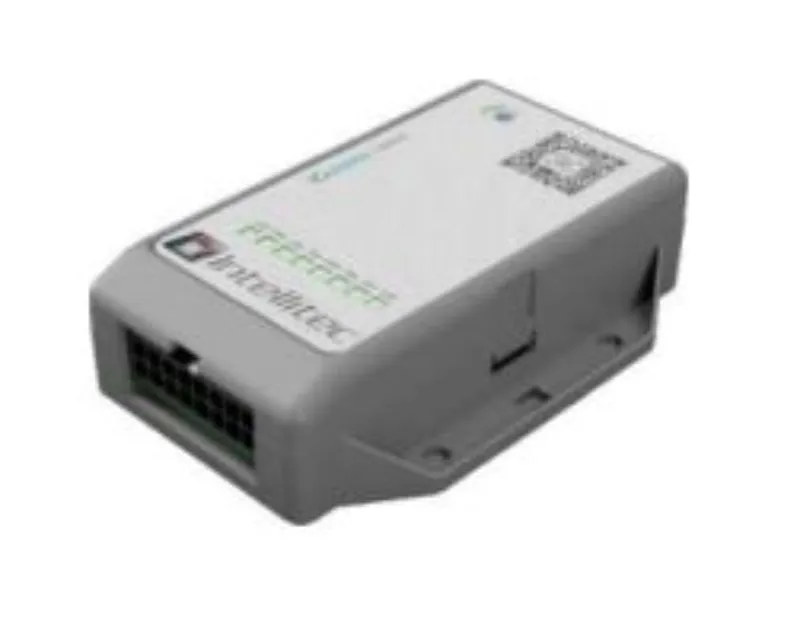
A CAN bus RPM interface reads the engine-speed message on the vehicle network and outputs an RPM pulse whose frequency tracks the engine's revs. Equipment that needs to know engine speed, a power take-off, a hydraulic pump or an auxiliary drive, reads it exactly as it would a factory tacho feed.
On a modern vehicle engine speed is a network message, not a wire at the alternator or coil. The interface takes it off the CAN bus, so there's no splicing into engine wiring and no risk to the management system.
Why PTO and auxiliary kit needs an RPM feed
A lot of bodybuilt and specialist equipment has to react to engine speed: engaging only at idle, holding a set rev range, or protecting a drive from over-speed. That equipment needs a clean RPM signal, and on today's vehicles there's no simple wire to give it.
- A true engine-speed feed: the output tracks real RPM, so equipment engages and governs correctly.
- Safe engagement: PTO and drives can be set to work only within the right rev range.
- No engine-wiring splice: the signal comes off the network, protecting the management system.
- Repeatable on the fleet: one method covers a mixed fleet of makes and models.
What an RPM feed drives
A clean engine-speed signal is the reference a lot of working equipment depends on.
Power take-off control
Engage and govern a PTO within a safe engine-speed range.
Hydraulic pumps and drives
Run pumps and hydraulic equipment at the right revs, with over-speed protection.
Compressors and generators
Hold auxiliary equipment in its correct operating band.
Sweepers, gritters and tippers
Interlock bodybuilt equipment to engine speed for safe operation.
Aerial platforms and cranes
Give lifting and access equipment the engine-speed reference it needs.
Rev-limit and warning systems
Feed rev-dependent alarms, limiters and in-cab displays.







Running PTO or auxiliary equipment?
Tell us the vehicle and the drive, and our engineers will confirm a clean RPM feed off the CAN bus.
Reference
How the RPM interface works
It reads engine speed off the network and outputs it as a proportional pulse.
- 1
Connect to the network
The interface joins the vehicle CAN bus and reads the engine-speed message already present, with no splice into engine wiring.
- 2
Read engine speed
It decodes the current RPM from the network message for that make and model.
- 3
Output an RPM pulse
It generates a pulse output whose frequency follows engine speed, ready for the equipment to read.
- 4
Control the equipment
The PTO controller, pump or auxiliary drive uses the RPM feed to engage and govern within its safe range.
Which vehicles it covers
Engine speed is carried on the CAN bus of modern vans, trucks and buses, which is where PTO and auxiliary-drive work happens. The interface reads each manufacturer's message in configuration, so one product covers a mixed fleet without different hardware.
Coverage spans the common UK commercial fleet, kept current with in-house firmware. Scorpion has built vehicle electronics in the UK since 1973.
It matters most on vehicles that work while stationary or under load: tippers and cranes, sweepers and gritters, compressors, pumps and aerial platforms. A true RPM feed lets the auxiliary drive engage and govern safely.
Engine speed often pairs with a road-speed feed, so equipment can interlock to both, running only below a set road speed and within a safe rev band. See the speed pulse interface for the road-speed side.
Common fitments include:
Common questions
What is a CAN bus RPM interface?
It is an interface that reads engine speed off the CAN bus and outputs an RPM pulse whose frequency tracks the revs, used to control PTO drives and auxiliary equipment.
Why not tap an engine-speed wire?
Modern vehicles carry engine speed as a network message rather than a simple wire, and splicing into engine wiring risks the management system. Reading the CAN bus is cleaner and safer.
Can it protect a PTO from over-speed?
The RPM feed lets the PTO controller govern within a safe range and react to over-speed. The interface provides the signal; the controller acts on it.
Can I use RPM and road speed together?
Yes. Engine speed often pairs with a road-speed feed so equipment interlocks to both. A multi-output interface can provide them from one connection.
Can you supply an RPM interface for a specialist build?
Yes. We design and manufacture CAN electronics in the UK. Speak to us with the vehicle and the equipment and we'll confirm the right approach.