Emergency Vehicle Security: Leaving the Engine Running Safely
By Mike B. Reviewed byJames M.
Emergency vehicle security is mostly about one awkward moment: the crew has to leave the vehicle with the engine running. A runlock system lets them take the key, lock the doors and keep equipment powered, while cutting the engine if anyone gets in and tries to drive away.
Key facts:
- Engines stay on at scenes to power lights, equipment, heating and communications.
- UK rules allow it for fire, police and ambulance purposes, among other exemptions.
- Runlock keeps the engine running with the key removed and the vehicle locked.
- Drive-away protection: releasing the handbrake or pressing a pedal cuts the engine.
- Power and security are linked on a specialist build, so plan them together.
Why do emergency vehicles leave engines running?
An ambulance at a scene is a working space. Medical equipment, lighting, heating and radios all need power, and the crew may be away from the cab for a long time.
Switching off and relying on the battery isn’t always realistic. The load is high and the job doesn’t wait. So the engine keeps running, often with doors open and nobody in the driving seat.
That creates two risks:
- Theft: an idling vehicle with a key in it is the easiest vehicle to take.
- Safety: a vehicle moved by anyone other than the crew is a danger to everyone at the scene.
What do UK rules say about unattended running engines?
Regulation 107 of the Road Vehicles (Construction and Use) Regulations 1986 says a person shall not leave a motor vehicle on a road, not attended by a licensed driver, unless the engine is stopped and the parking brake is set (legislation.gov.uk).
The same regulation exempts vehicles being used for:
- Fire and rescue purposes.
- Police purposes.
- Ambulance purposes, or responding to an emergency at the request of an NHS ambulance service.
- Running machinery, where the engine drives that machinery or keeps its battery charged, and the vehicle is positioned safely.
So the law accepts that some vehicles have to keep running. It doesn’t remove the security problem. Runlock answers that.
How does a runlock system work?
Runlock holds the engine on after the key is removed and watches for any sign that the vehicle is about to move. Scorpion’s CAN bus runlock system reads the conditions it needs off the vehicle network rather than splicing into each circuit.
The sequence:
- The driver sets the conditions and removes the key. The engine keeps running.
- The vehicle is locked and left, with beacons, hydraulics or equipment still live.
- The system watches handbrake, gear, footbrake and door state on the CAN bus.
- If someone tries to drive off, for example by releasing the handbrake or pressing a pedal, the engine cuts immediately.
Reading signals off the CAN bus keeps the install clean and lets the safety logic work reliably across the vans and trucks that carry those signals on their network.
Which vehicles use runlock?
Runlock suits any vehicle that has to work while parked.
| Vehicle | Why the engine stays on |
|---|---|
| Ambulances and blue-light vehicles | Medical and scene equipment powered |
| Recovery and breakdown trucks | Hydraulics and winches at the roadside |
| Highways and utility vans | Compressors, lighting and tools |
| Refuse and municipal vehicles | Body equipment on stop-start rounds |
| Welfare and mobile units | Catering, welfare and workshop bodies |
Passenger vehicles face related questions about keys and depots. Our guide to minibus and coach security covers those.
How do power and security fit together on an emergency build?
On a specialist vehicle, security can’t be planned in isolation. The engine runs partly to keep heavy electrical loads going, so power management and runlock work side by side.
The Scorpion Group delivers power solutions through its UK power-management company, Intellitec MV, which designs and assembles power distribution, multiplexed control and battery management for emergency, passenger, leisure and marine vehicles. Intellitec works to ISO 9001 and ISO 14001 and holds Vehicle Certification Agency (VCA) Conformity of Production accreditation.
Planning both together helps a converter:
- Share signals such as handbrake and door state between runlock and body control.
- Keep loads managed so batteries stay healthy while the engine idles.
- Reduce wiring by using multiplexed control rather than separate looms.
Our post on multiplexed wiring explains how that works on a specialist build.
Emergency vehicles and VHF+ finders
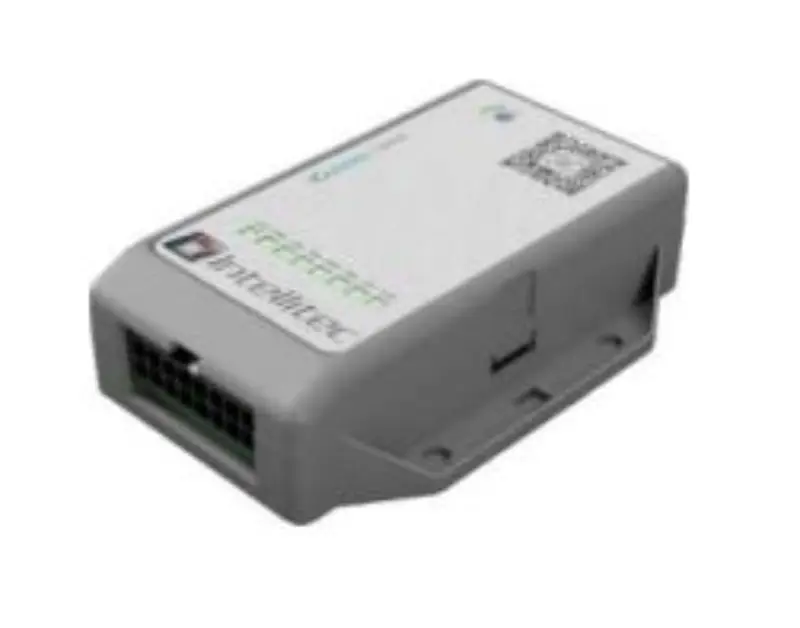
Vehicles like these can do more than protect themselves. The finder units for the Scorpion VHF+ Recovery Network that ride in emergency service vehicles are built on hardware from Intellitec, the group company that supplies the power systems for these builds. Fleets that want to take part can join the network.
Writing the electrical part of a tender? The specifier’s guide to emergency vehicle power management turns the points above into a checklist.
Talk to us about your emergency or utility vehicle build
Building or upgrading emergency or utility vehicles? Tell us the base vehicle and the equipment it runs.
- Speak to us about emergency vehicle security
- CAN bus runlock system for engine-running security
Frequently Asked Questions
What is emergency vehicle security?
It’s the set of measures that stop emergency and response vehicles being stolen or moved while crews are working. The main issue is engines left running at scenes, which runlock systems address by keeping the engine on with the key removed and the vehicle locked.
Is it legal to leave an ambulance running unattended?
Regulation 107 of the Road Vehicles (Construction and Use) Regulations 1986 generally requires the engine to be stopped, but it exempts vehicles used for fire and rescue, police and ambulance purposes, among others. Security is still the operator’s responsibility.
What is a runlock system?
A runlock system keeps a vehicle’s engine running after the key is removed, so it can be locked with equipment powered. If someone releases the handbrake or presses a pedal, the engine cuts, so the vehicle can’t be driven away.
Which vehicles need runlock?
Any vehicle that works while parked: ambulances and blue-light vehicles, recovery trucks, highways and utility vans, refuse vehicles and mobile welfare units.
Can runlock be fitted as part of a full vehicle build?
Yes. Runlock can be supplied alongside ignition, lighting and body control, and group company Intellitec MV builds power and control for emergency and specialist vehicles. Speak to us about the build.
Speak to our team
Questions about vehicle security, tracking or fleet telematics? Our UK team will point you to the right product for your vehicle or fleet.
Related Products
View all products →


- emergency vehicles
- runlock
- CAN bus
- Intellitec
- VHF+

Mike B.
Software Engineer at Scorpion Automotive
Mike B. is a Software Engineer at Scorpion Automotive in Chorley. Vehicle security, immobilisers and keyless theft are the areas Mike covers.
Reviewed by James M., Technical Director at Scorpion Automotive