Automotive Alarm Systems: How OEM and Aftermarket Alarms Differ
By Mike B. Reviewed byJames M.
Automotive alarm systems come from two places: the vehicle manufacturer (OEM), which builds them in before sale, or the aftermarket, where an alarm is added later by a dealer or installer. Both can meet recognised standards. The real differences are in coverage, integration, fitting and who stands behind the system.
Key facts:
- OEM alarms are engineered with the vehicle and fitted at the factory, at the port of entry or by the franchised dealer.
- Aftermarket alarms are added to a vehicle already on the road, often to meet an insurer condition or to add sensors the factory system lacks.
- Standards apply to both. UN Regulation No 116 covers alarm systems on new vehicles, and Thatcham categories are the UK insurance benchmark for aftermarket systems.
- Upgrade alarms sit between the two, adding an alarm to the factory immobiliser and remote.
- The same supplier can work on both sides. Scorpion supplies OE programmes and the aftermarket.
What are automotive alarm systems?
An automotive alarm system watches a vehicle while it’s locked and reacts when something it monitors changes. The reaction is usually a siren, flashing indicators and, on connected systems, a notification.
Most systems combine some of these inputs:
- Perimeter: door, bonnet and boot switches.
- Interior: ultrasonic or microwave sensors for movement inside the cabin.
- Tilt and shock: for wheel theft, towing or a smashed window.
- Power: a battery-backed siren that keeps sounding if the supply is cut.
An alarm is a different job from an immobiliser. The alarm makes noise. The immobiliser stops the engine starting. Factory immobilisers became compulsory for new vehicle type approvals from 1 October 1998 under Directive 95/56/EC (legislation.gov.uk), but whether a car also has a factory alarm varies by model and trim.
How does an OEM alarm system work?
An OEM alarm is part of the vehicle’s specification. It’s validated with the vehicle’s electrical system, appears in the handbook and is covered by the vehicle warranty.
New-vehicle alarm systems are covered by UN Regulation No 116, which sets uniform technical requirements for protecting motor vehicles against unauthorised use, including vehicle alarm systems (EUR-Lex).
OEM security doesn’t only mean “built on the production line”. There are three routes:
- Line fit: installed during vehicle manufacture.
- Port of entry fit: added when vehicles arrive in a market, before delivery to dealers.
- Genuine parts: fitted by the franchised dealer as an approved accessory.
Our post on OE vs aftermarket vehicle security covers those supply routes from the vehicle maker’s side, including what manufacturers expect from a security supplier.
How does an aftermarket alarm system differ?
An aftermarket alarm is fitted to a vehicle that has already been built and sold. It has to work with wiring and electronics it didn’t design, which is why fitting quality matters as much as the product.
Where the aftermarket earns its place:
- Insurer conditions. A policy may name a Thatcham category the factory system doesn’t meet.
- Extra coverage. Motorhome habitation areas, van load spaces and lockers often need more sensors than a car-based factory alarm provides.
- Older vehicles. Cars built before alarms were common can be brought up to date.
- Choice. Owners can pick the level of protection rather than take what came with the trim.
Modern aftermarket alarms often read the vehicle’s own data network rather than tapping individual wires. A CAN bus upgrade alarm, for example, can arm and disarm from the original remote. Our plip upgrade alarm guide explains how that works.
OEM vs aftermarket alarm systems compared
| Point | OEM alarm | Aftermarket alarm |
|---|---|---|
| When fitted | Factory, port of entry or franchised dealer | Any time after sale |
| Standards | UN R116 for new vehicles | Thatcham categories in the UK |
| Integration | Engineered with the vehicle | Fitted to an existing loom or CAN bus |
| Remote | Original key or fob | Own remote, or original fob on upgrade alarms |
| Extra sensors | Fixed by trim | Chosen to suit the vehicle and risk |
| Warranty | Vehicle warranty | Product warranty plus installer workmanship |
Neither route is automatically better. A well-specified OEM system suits most new cars. An aftermarket system makes sense when there’s a gap to fill or a condition to meet.
Scorpion as an aftermarket alarm maker
Scorpion works on both sides of this line. Its alarms and immobilisers are used by vehicle manufacturers in the OE market as well as in the aftermarket security industry, and are available as OE line fit, port of entry fit or genuine parts through dealer aftermarket programmes.
Behind that sit the things vehicle makers check:
- Quality: security and telematics systems designed and manufactured to IATF 16949 standards.
- Compliance: electronic components that are IMDS compliant.
- Warranty: 2 years on Scorpion security hardware.
Toyota (GB) PLC said Scorpion has “always provided Toyota (GB) PLC with an outstanding service in terms of product development, good supply and reliability of the product itself”. The why Scorpion page covers the company’s background as a UK manufacturer since 1973.
For vehicle makers, importers and converters, the OEM and bespoke route starts with your programme requirements.
Talk to us about OEM and aftermarket alarm choices
Specifying alarms for a vehicle programme, or choosing an aftermarket system for a fleet? Tell us what you need it to do.
- Speak to us about automotive alarm systems
- OEM and bespoke for manufacturers and converters
Frequently Asked Questions
What is the difference between an OEM and an aftermarket car alarm?
An OEM alarm is specified by the vehicle manufacturer and fitted at the factory, port of entry or franchised dealer. An aftermarket alarm is added to a vehicle already on the road, usually to meet an insurer condition or add coverage the factory system lacks.
Do all new cars come with an alarm?
Not necessarily. New vehicles have needed an immobiliser since Directive 95/56/EC applied from 1 October 1998, but whether a factory alarm is fitted varies by model and trim. Check the handbook or ask the dealer.
Is an aftermarket alarm as good as a factory alarm?
It can be, if it’s a recognised product fitted properly. In the UK, Thatcham categories give insurers an independent benchmark for aftermarket alarms and immobilisers. Installation quality matters as much as the hardware itself.
What is an upgrade alarm?
An upgrade alarm adds alarm protection to a vehicle that already has a factory immobiliser. Many work with the original remote by reading the vehicle’s CAN bus, so the owner keeps using the key they already have.
Can Scorpion supply alarms for a vehicle manufacturer?
Yes. Scorpion supplies vehicle manufacturers as well as the aftermarket, with products available as OE line fit, port of entry fit or genuine parts. Speak to us about your programme and volumes.
Speak to our team
Questions about vehicle security, tracking or fleet telematics? Our UK team will point you to the right product for your vehicle or fleet.
Related Products
View all products →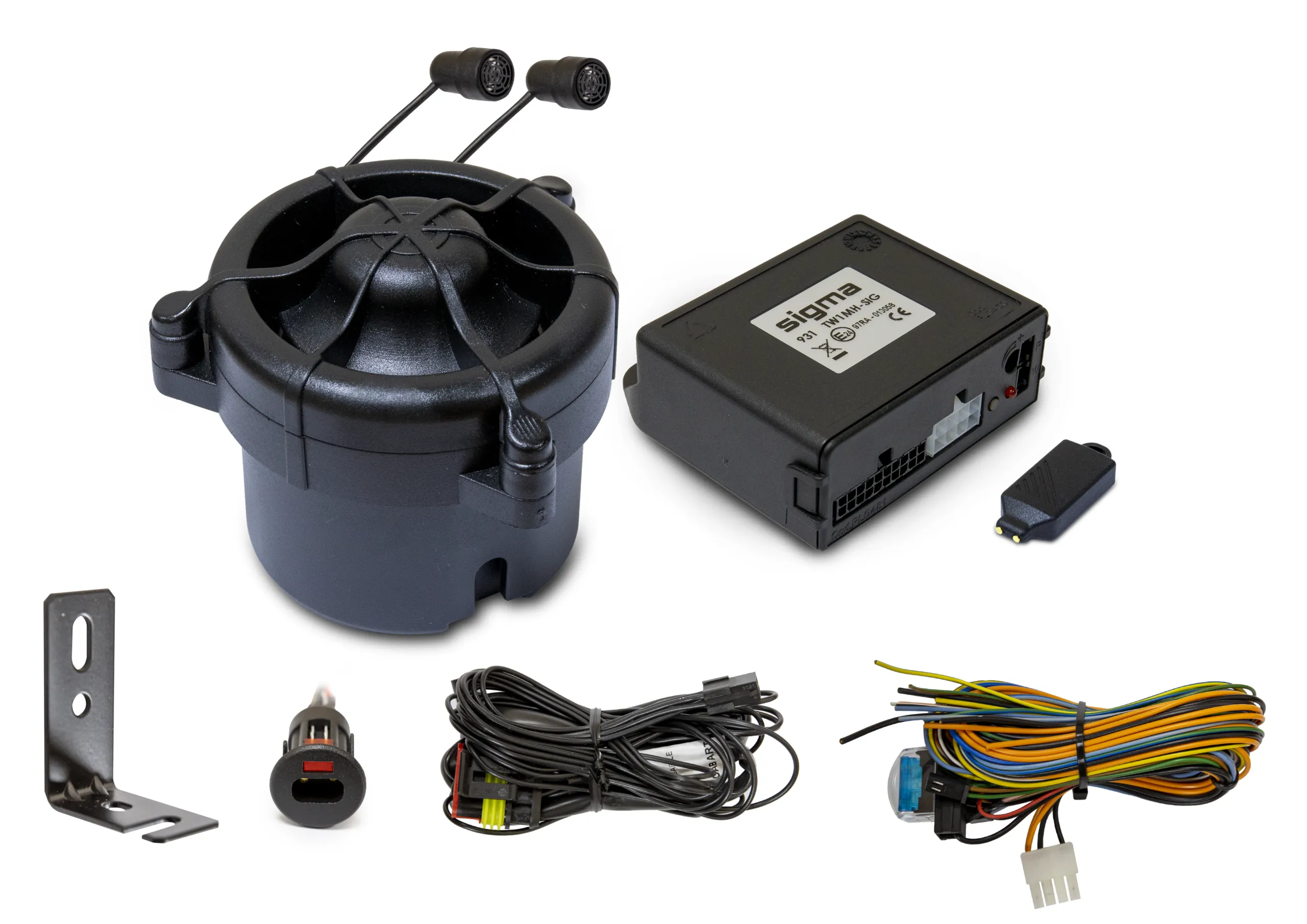


- car alarms
- OEM
- aftermarket
- Thatcham

Mike B.
Software Engineer at Scorpion Automotive
Mike B. is a Software Engineer at Scorpion Automotive in Chorley. Vehicle security, immobilisers and keyless theft are the areas Mike covers.
Reviewed by James M., Technical Director at Scorpion Automotive