OE vs Aftermarket Vehicle Security: Line-Fit to Retrofit
By Ian D. Reviewed byJames M.
An OE vehicle security supplier provides alarms, immobilisers or trackers that vehicle manufacturers and importers fit or approve as genuine equipment. The same product can reach a car in four ways: on the production line, at the port of entry, at the franchised dealer, or as an aftermarket retrofit. Each route sets different demands on the supplier.
The four routes:
- Line-fit: fitted in the factory as the vehicle is built.
- Port of entry fit: fitted after the vehicle lands, before it reaches the dealer.
- Dealer-fit: fitted by the franchised dealer as a genuine accessory.
- Aftermarket retrofit: fitted later, by an independent installer, to a vehicle already on the road.
What does OE mean in vehicle security?
OE stands for original equipment. An OE security product is one the vehicle manufacturer has chosen, specified and put its name behind. It’s sold as part of the vehicle, or as a genuine accessory through the manufacturer’s own network.
Aftermarket security is chosen by the owner or fleet after purchase and fitted outside the manufacturer’s process. That doesn’t make it lesser. Many aftermarket products are built by the same companies that supply vehicle makers. The difference is who specifies the product, who approves the fitting and whose warranty and paperwork it sits under.
Line-fit: security built in at the factory
Line-fit is the deepest level of integration. The security product is designed into the vehicle programme, validated with the manufacturer and fitted on the production line alongside everything else.
For the supplier, line-fit is demanding. It means automotive quality systems, documented processes, delivery to production schedules and part quality measured in parts per million. It also means support for the life of the vehicle programme.
Port of entry fit: security added on arrival
Imported vehicles often pass through a processing centre at or near the port before delivery. Accessories, including security, can be fitted there to a whole batch of vehicles. That lets an importer offer a security pack in a market where the factory doesn’t line-fit it, or meet a market-specific insurance requirement.
Port fitting needs installation processes that work at volume, with training, fitting instructions and quality checks that hold up across hundreds of vehicles.
Dealer-fit: the genuine accessory route
Many manufacturers offer security as a genuine accessory fitted by the franchised dealer, before handover or later in the vehicle’s life. The product carries the manufacturer’s approval and is sold through its parts system.
For the supplier, dealer-fit means packaging, part numbering and fitting guides that suit a dealer workshop, plus technical support for technicians who may fit the product only occasionally.
Aftermarket retrofit: security for vehicles already on the road
Retrofit is where most owners meet vehicle security: an alarm, immobiliser or tracker fitted by an independent dealer or installer after purchase. It covers vehicles the factory never offered security for, older vehicles and owners whose insurer has asked for a particular category.
The best aftermarket products borrow OE discipline. They connect to the vehicle network rather than cutting into the loom, they’re tested across many vehicle platforms and they come with proper training for installers. Our guide on how to become a vehicle security dealer covers the trade side.
OE and aftermarket routes compared
| Line-fit | Port of entry | Dealer-fit | Aftermarket | |
|---|---|---|---|---|
| Who chooses the product | Manufacturer | Importer or manufacturer | Manufacturer, sold by dealer | Owner or fleet |
| Where it’s fitted | Production line | Processing centre | Dealer workshop | Independent installer |
| Integration depth | Designed in | High | Medium to high | Varies by product |
| Sold under | Vehicle spec | Vehicle or accessory pack | Genuine parts | Supplier’s own brand |
What vehicle makers expect from an OE security supplier
Manufacturers and importers don’t buy a box. They buy a supplier they can rely on for years. The expectations tend to cluster around a few areas:
- Quality you can measure. Part quality is tracked in parts per million, and a supplier is judged on it.
- Material compliance. Components are declared through the International Material Data System (IMDS) so the manufacturer can meet its own obligations.
- Engineering access. Changes, faults and new variants need engineers who know the product, not a reseller.
- Supply continuity. Stock and support for the full life of the programme.
- Vehicle integration. Products that work with the vehicle’s CAN network rather than around it.
How Scorpion works with manufacturers
Scorpion has designed and manufactured vehicle security in the UK since 1973, with R&D, firmware and production in-house. Products are available as OE line fit, as port of entry fit and as genuine parts through dealer aftermarket programmes, and all electronic components are IMDS compliant.
Two customers describe the relationship in their own words. Alan Barrett, Manager, Product at Toyota (GB) PLC: “Scorpion have always provided Toyota (GB) PLC with an outstanding service in terms of product development, good supply and reliability of the product itself, and are responsive to our queries and requests at all times.”
And from Jos Smetsers, Executive Director PACCAR Purchasing, Europe at DAF Trucks N.V.: “Scorpion Automotive has consistently delivered parts and components meeting or exceeding the PACCAR 10PPM quality performance requirements.”
For programmes that need something new, our bespoke electronics team develops variants of existing platforms or new products. Our OEM and bespoke page sets out how a programme runs, and why Scorpion covers the manufacturing background.
Talk to us about a vehicle programme
Specifying security for a vehicle programme, an import batch or a genuine accessory range?
- OEM and bespoke options for accessory and import programmes
- Speak to us about your programme
Frequently Asked Questions
What is the difference between OE and aftermarket vehicle security?
OE security is specified and approved by the vehicle manufacturer and fitted on the line, at the port or by the franchised dealer. Aftermarket security is chosen by the owner or fleet and fitted by an independent installer after purchase.
What is port of entry fitment?
It is fitment carried out after an imported vehicle arrives in a market and before it reaches the dealer, usually at a vehicle processing centre. It lets importers add accessories such as security to whole batches of vehicles.
What does 10PPM mean for an automotive supplier?
PPM stands for parts per million. A 10PPM requirement means no more than ten defective parts per million supplied. DAF Trucks has stated that Scorpion consistently meets or exceeds the PACCAR 10PPM requirement.
Is aftermarket vehicle security lower quality than OE?
Not necessarily. Many aftermarket products come from the same manufacturers that supply OE parts. Quality depends on the maker, the testing and the installation, not on the sales route.
Can Scorpion supply security for a vehicle manufacturer or importer?
Yes. Scorpion supplies products as OE line fit, port of entry fit and genuine parts through dealer aftermarket programmes, and develops bespoke variants. Use the OEM and bespoke page to start a conversation.
Speak to our team
Dealers, installers and OEM partners get trade pricing, product training and a named account manager. Tell us what you need.
Related Products
View all products →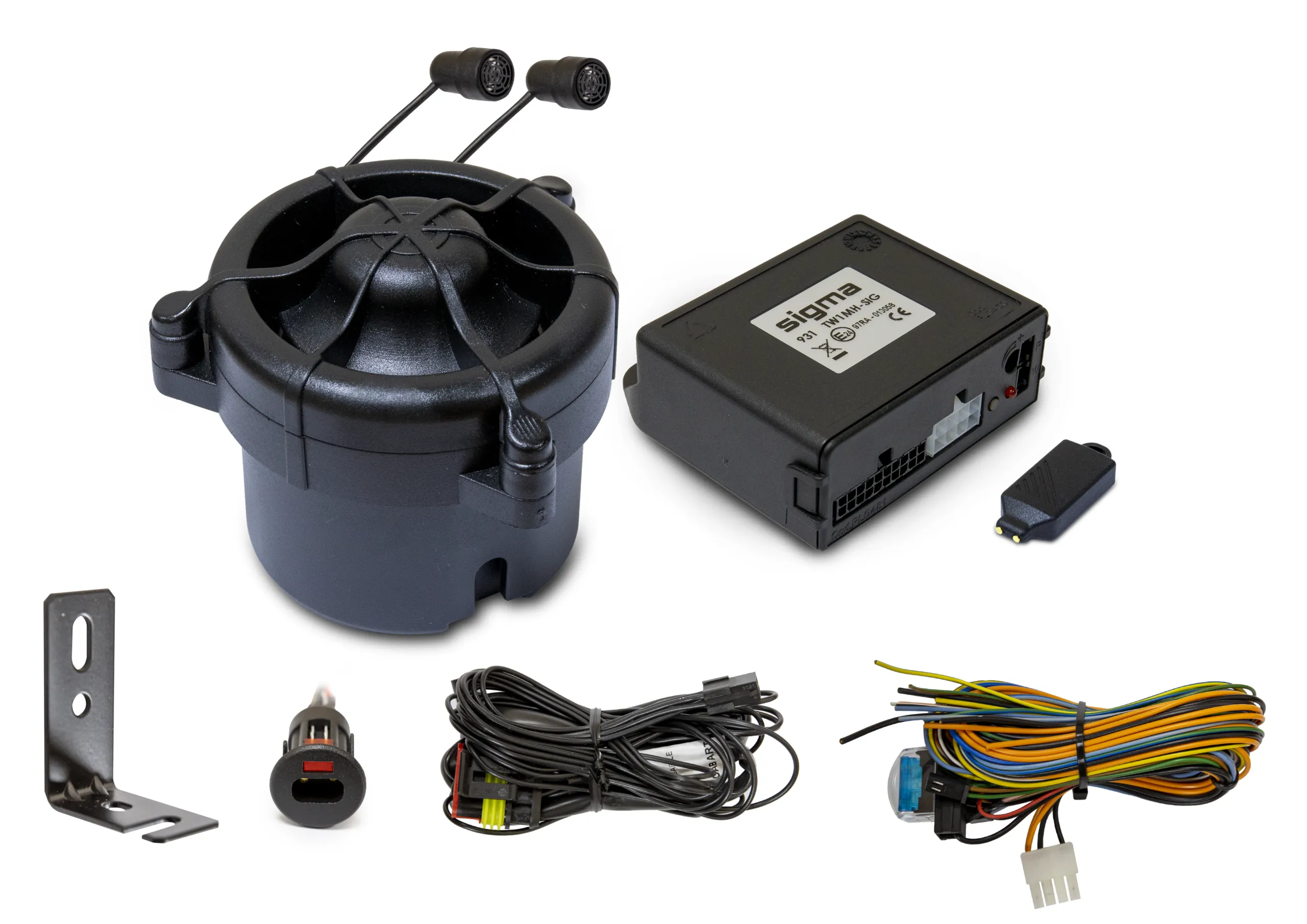


- OEM
- line-fit
- aftermarket
- manufacturing

Ian D.
Head of R&D at Scorpion Automotive
Ian D. is Head of R&D at Scorpion Automotive in Chorley and writes about Thatcham, insurance and OEM engineering.
Reviewed by James M., Technical Director at Scorpion Automotive


