Vehicle Immobilisers Explained: Factory, Thatcham and CAN Bus
By Mike B. Reviewed byJames M.
Vehicle immobilisers stop an engine from starting or running unless the car recognises an authorised key, code or tag. Every new car sold in the UK since October 1998 has a factory immobiliser. Aftermarket immobilisers add a second, independent check, which matters now that thieves copy or relay the factory key.
Key facts:
- Factory immobilisers read a transponder chip in the key. Required on new cars in the EU and UK since 1 October 1998.
- Thatcham Category 2 is the UK insurance standard for an immobiliser on its own: it must isolate at least two circuits and set itself without the driver doing anything.
- Keypad and PIN immobilisers need a code before the vehicle will start, whatever happens to the key.
- CAN bus immobilisers work through the vehicle’s own network and are disarmed with a PIN on the car’s buttons or a driver tag.
What does a vehicle immobiliser actually do?
An immobiliser interrupts something the engine needs. Early aftermarket units cut the starter motor or ignition feed with a relay. Factory systems went further: the engine management unit refuses to run until it has confirmed the key is genuine.
The principle hasn’t changed in thirty years. Without the right authorisation, the car can be opened and sat in, but it won’t drive away.
What has changed is how thieves attack that authorisation. That’s the reason there are now several kinds of immobiliser rather than one.
Factory immobilisers: the transponder in your key
Look inside almost any car key and you’ll find a tiny transponder chip. When you turn the key or press start, an antenna around the ignition reads a code from the chip and passes it to the engine computer. A matching code lets the engine run. A missing or wrong code keeps it dead.
Factory immobilisers became compulsory under Commission Directive 95/56/EC, which applied its immobiliser and alarm requirements to new vehicle type approvals from 1 October 1998 (legislation.gov.uk). Many manufacturers fitted them as standard before the deadline.
They work well against the old hot-wiring methods. Their weakness is that they trust the key. If a thief can make the car believe the key is present, the factory immobiliser steps aside.
How do thieves get past a factory immobiliser?
Three methods account for most modern attacks on keyless and push-button cars:
- Relay attacks: two devices extend the signal of a keyless fob inside the house to the car on the drive.
- Key cloning and key programming: a blank key is coded to the car, often through the diagnostic port.
- CAN injection: messages are sent into the vehicle network, sometimes through a wiring loom behind a headlight, to imitate a valid key.
None of these break the factory immobiliser. They satisfy it. That’s why an aftermarket immobiliser needs something the thief can’t copy from the key.
Thatcham Category 2 immobilisers
In the UK, insurers describe security using Thatcham categories. Category 2 covers an electronic immobiliser on its own. To qualify, it must limit at least two separate circuits of the car and must set itself without the driver having to do anything (Motoring Research).
Add an approved alarm to a car with a Category 2 immobiliser and it reaches Category 1, the combined alarm and immobiliser standard. Our page on Thatcham Category 1 and Category 2 explains how insurers read those labels, and how a car alarm works covers the alarm side.
Keypad and PIN immobilisers
A keypad immobiliser adds a code to the start-up sequence. The car can have its key in the ignition and still refuse to drive until the right PIN is entered.
Scorpion’s FleetLock system for vans is an example of the independent keypad approach. The vehicle immobilises 10 seconds after the ignition is switched off, whether or not the key is present, and needs a 4-digit PIN to deactivate. Because it works independently of the vehicle’s computer, it isn’t defeated by hacking through the diagnostic port.
The trade-off is the hardware. A keypad has to be mounted somewhere the driver can reach, and that also tells a thief an immobiliser is fitted.
CAN bus immobilisers
Modern vehicles run on a CAN bus, a network that lets the engine, body and dashboard modules talk to each other. A CAN bus immobiliser connects to that network instead of cutting into the loom. It can read button presses and send its own messages, so it can stop the vehicle being driven without any visible keypad.
The X-Series immobiliser is Scorpion’s CAN bus immobiliser. It arms the moment the ignition is turned off. To drive, you enter a custom PIN using a sequence of the car’s own buttons, such as steering wheel or dashboard controls, or carry a paired driver tag. A relayed or cloned key gets the thief in, but the car still won’t move.
We go deeper into the wiring and the logic in how a CAN bus immobiliser works.
Which type of immobiliser do you need?
| Type | Stops hot-wiring | Stops relay and cloned keys | Visible to a thief | Typical use |
|---|---|---|---|---|
| Factory transponder | Yes | No | No | Every car since 1998 |
| Relay cut-out (older aftermarket) | Yes | Partly | Often | Older vehicles |
| Keypad immobiliser | Yes | Yes | Yes | Vans and fleets |
| CAN bus immobiliser | Yes | Yes | No | Keyless cars, 4x4s, vans |
Two questions settle most decisions. Does your car use keyless entry or push-button start? And does your insurer name a Thatcham category? If the answer to the first is yes, a factory immobiliser alone leaves the main modern attack open. If the second applies, check what the policy wording asks for before you buy.
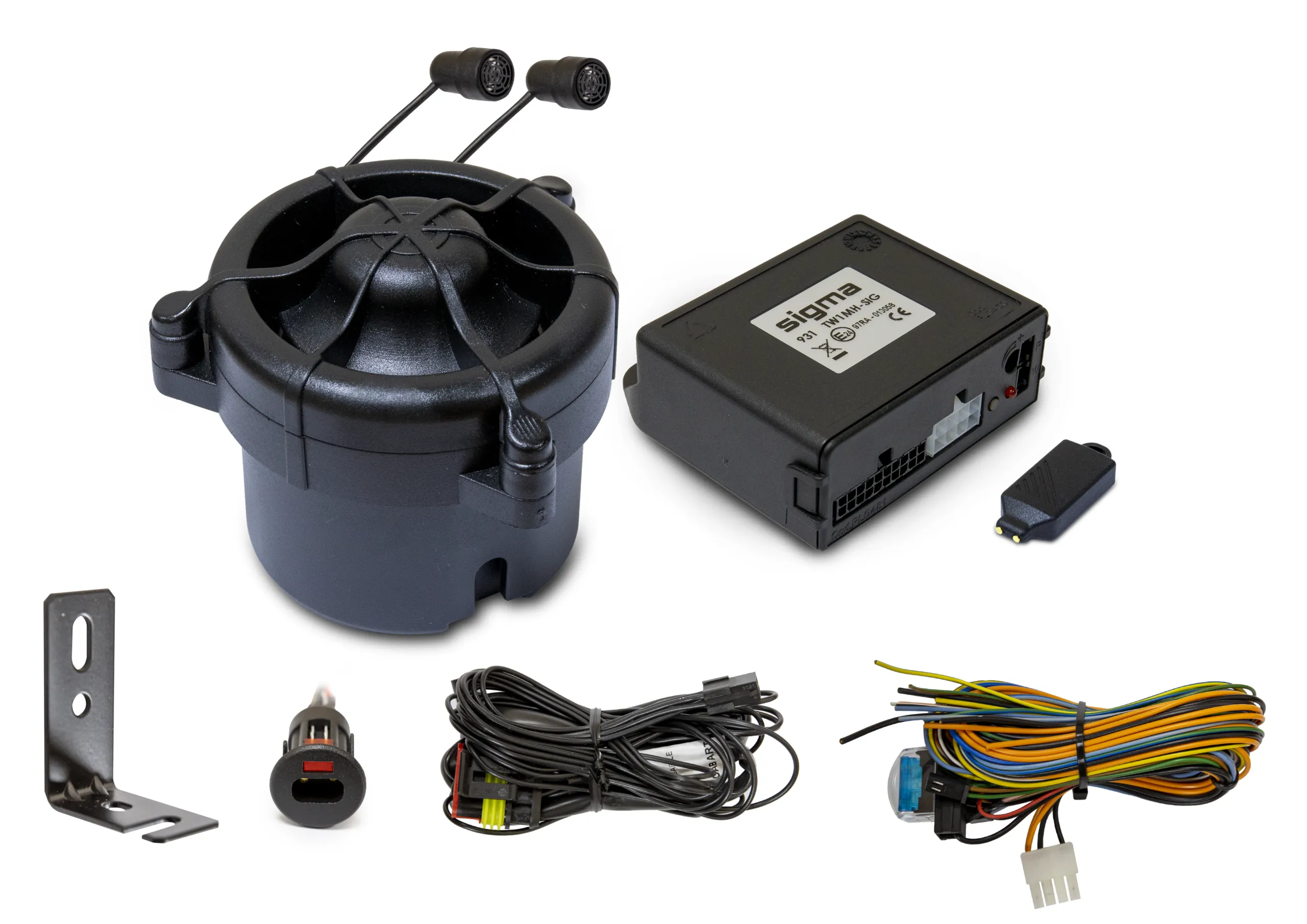
Our range of alarms and immobilisers covers cars, vans and 24V trucks.
From prevention to recovery
An immobiliser stops the drive-away, but not a theft by low-loader. When that happens, the Scorpion VHF+ Recovery Network is being built to give tracking a VHF companion signal for finding the vehicle.
Ask us which immobiliser fits your vehicle
Tell us your vehicle and we’ll confirm the right immobiliser, on its own or with an alarm or tracker.
- Speak to us about immobilising your car, van or fleet
- X-Series immobiliser for keyless and push-button vehicles
Frequently Asked Questions
Do all cars have an immobiliser?
Every new car sold in the UK and EU since 1 October 1998 has a factory immobiliser, under Directive 95/56/EC. Many earlier cars were fitted with one as standard too. Older classics may have none.
Is a factory immobiliser enough?
It stops hot-wiring, but it trusts the key. Relay attacks, key cloning and CAN injection all satisfy the factory immobiliser rather than breaking it, so keyless cars benefit from a second, independent immobiliser.
What is a Thatcham Category 2 immobiliser?
It is the UK insurance category for an electronic immobiliser on its own. It must limit at least two separate circuits and set itself automatically. Adding an approved alarm lifts the vehicle to Category 1.
How do you disarm a CAN bus immobiliser?
With the Scorpion X-Series you enter a custom PIN using a sequence of the car’s own buttons, or carry a paired driver tag. Without one of those, the vehicle can’t be driven, even with a working key.
Can an immobiliser be fitted to a van?
Yes. Vans suit both keypad immobilisers, such as FleetLock, and CAN bus immobilisers such as the X-Series. The right choice depends on the van, how many drivers use it and any insurer requirement.
Speak to our team
Questions about vehicle security, tracking or fleet telematics? Our UK team will point you to the right product for your vehicle or fleet.
Related Products
View all products →

- immobilisers
- X-Series
- keyless theft
- Thatcham
- VHF+

Mike B.
Software Engineer at Scorpion Automotive
Mike B. is a Software Engineer at Scorpion Automotive in Chorley. Vehicle security, immobilisers and keyless theft are the areas Mike covers.
Reviewed by James M., Technical Director at Scorpion Automotive


