Van Security Guide: Locks, Alarms, Immobilisers and Tracking
By Mike B. Reviewed byJames M.
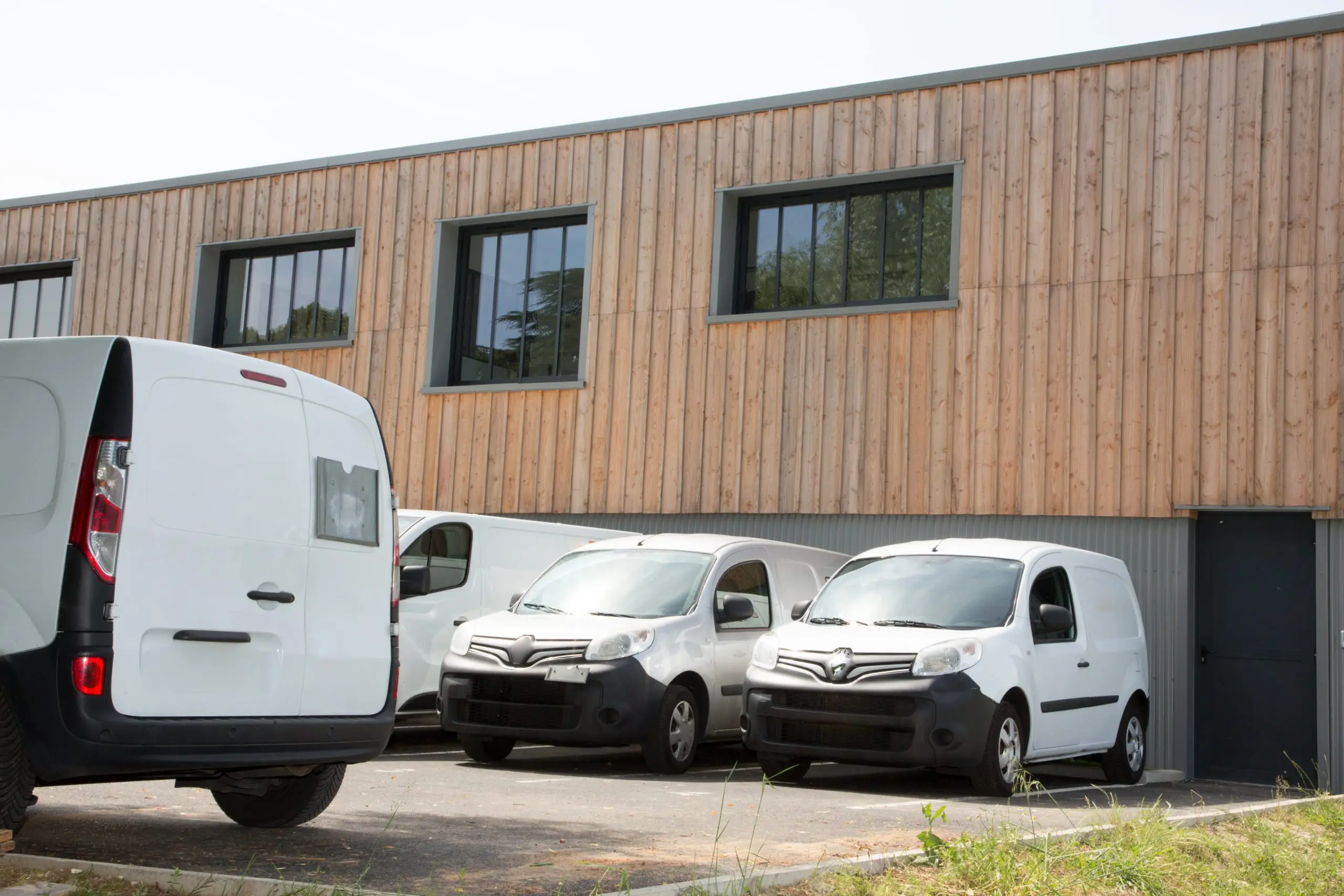
Van security works best in layers: strong locks keep thieves out of the load area, an immobiliser stops the van being driven away, an alarm draws attention, and a tracker gives you a chance of getting it back. No single product covers all four jobs, so the right mix depends on what you carry and where the van sleeps.
The four layers at a glance:
- Locks protect the load. Think deadlocks, slam locks and multipoint locking.
- Immobilisers protect the van itself, including against keyless and diagnostic-port attacks.
- Alarms react to a break-in and make noise.
- Tracking helps locate and recover a van that has been taken.
Why are vans targeted?
A van is two prizes in one. There’s the vehicle, which has a ready market whole or in parts. Then there’s what’s inside it: tools, stock and parcels that can be sold on quickly.
That splits van crime into two kinds of attack. Some thieves want the load and will peel a door skin or force a lock to reach it. Others want the van and will use the same electronic tricks that are used on cars, such as copying the key or working through the diagnostic port. A good security plan answers both.
Layer 1: locks that protect the load
Factory central locking is built for convenience. For a van that carries valuable kit, it’s worth adding at least one of these.
Deadlocks
A deadlock throws a bolt that can only be withdrawn with a key. It doesn’t rely on the factory locking mechanism, so it holds even if the factory lock is attacked.
Slam locks and auto-locking
Slam locks lock the door as soon as it closes. They suit delivery drivers who are in and out of the van all day, because the load area is never left open while the driver is at a doorstep.
Multipoint locking with anti-scan keys
Multipoint systems lock each door at more than one point and are usually operated with a touch key rather than a radio remote. That matters because some thieves use RF scanning devices to capture or jam a radio key signal.
Scorpion’s FleetLock takes this approach. Marine-grade stainless steel touch key receptacles are fitted to the driver, rear and side doors. Doors auto-lock one second after closing, programmable up to 60 seconds, and each vehicle gets its own set of encrypted touch keys, so access stays with your drivers.
Layer 2: an immobiliser that stops the drive-away
Locks keep people out of the back. They do nothing if a thief can start the van and drive it away with the load still inside.
Most modern vans have a factory immobiliser that trusts the key. Clone the key or program a new one through the diagnostic port and the van starts. Our guide to vehicle immobilisers explained walks through why that happens.
There are two common ways to add an independent barrier:
- A keypad immobiliser. FleetLock’s keypad immobilisation runs independently of the van’s computer, which stops theft by hacking through the OBD port. The van immobilises 10 seconds after the ignition goes off, key present or not, and needs a 4-digit PIN to start again.
- A CAN bus immobiliser. The X-Series immobiliser connects to the van’s own network and is disarmed with a PIN entered on the van’s existing buttons, or a driver tag. There’s no keypad on show.
High-volume models get special attention from thieves. If you run Transits, our page on the Ford Transit immobiliser covers that model in detail.
Layer 3: an alarm
An alarm is the noisy layer. It reacts to doors being opened, or movement inside the cab, and gives the driver or a neighbour a reason to look.
On a van, ask whether the alarm covers the load area as well as the cab. Larger panel vans and conversions sometimes need extra sensors for that.
Layer 4: tracking and monitoring
Tracking is the recovery layer. If everything else has failed, a tracker tells you, and the police, where the van is.
For a single van, a Thatcham-approved stolen vehicle tracker with 24/7 monitoring is the usual choice. ScorpionTrack covers this with its Thatcham car and van trackers. For fleets, a telematics system adds day-to-day benefits on top of recovery, such as live maps, alerts and geofences. FleetLock Pro combines its locking and immobilisation with the full AutoM8 telematics system and remote immobilisation.
Everyday habits that make a difference
Hardware does the heavy lifting, but a few habits close the gaps it can’t:
- Park with the rear doors against a wall or another vehicle where you can.
- Take tools out overnight if the van is parked on the street.
- Keep keys, including keyless fobs, away from doors and windows at home.
- Mark tools so they’re harder to sell and easier to return.
Matching security to your van
| If your main risk is… | Start with… |
|---|---|
| Tools or stock stolen from the load area | Deadlocks or multipoint locking |
| The van being driven away | An independent immobiliser |
| Theft at multi-drop stops | Slam locks or auto-locking |
| Recovery after a theft | A monitored tracker |
| All of the above, across a fleet | A combined system such as FleetLock |
A radio layer for vans that vanish
The four layers cover most cases. For vans driven into lock-ups, containers or covered yards where a GPS fix is hard to get, the Scorpion VHF+ Recovery Network is being built to add a VHF signal on top of tracking, beside whichever tracker is already fitted. Compare the VHF tracker options in the UK.
Choosing the order for your own van is easier with a side-by-side view, which our table of which vehicle security you need provides for nine vehicle types.
Talk to us about your van security setup
Tell us the vans you run, what they carry and any insurer requirement, and we’ll suggest the right combination.
- Speak to us about van security
- FleetLock for locking, immobilisation and telematics in one system
Frequently Asked Questions
What is the best security for a van?
There isn’t one product that does everything. Most vans need locks for the load area, an independent immobiliser against keyless and diagnostic-port theft, and tracking for recovery. The right balance depends on what you carry and where the van is parked.
Are deadlocks worth fitting to a van?
Yes, if you carry valuable tools or stock. A deadlock throws a bolt that only a key can withdraw, so it keeps the load area shut even if the factory locking is attacked.
Do vans need an aftermarket immobiliser?
A factory immobiliser trusts the key, so a cloned or newly programmed key will start the van. An independent immobiliser, such as a keypad or CAN bus unit, needs a PIN or tag the thief doesn’t have.
What is an anti-scan touch key?
It is a key that opens the van by physical contact with a receptacle rather than by radio. Because there is no radio signal, it can’t be captured or jammed by an RF scanning device.
Is FleetLock suitable for a single van?
FleetLock was developed with delivery companies and is offered in Lite, Plus and Pro levels. Speak to us about your vehicle and we’ll confirm which level fits.
Speak to our team
Questions about vehicle security, tracking or fleet telematics? Our UK team will point you to the right product for your vehicle or fleet.
Related Products
View all products →


- van security
- FleetLock
- immobilisers
- fleet
- VHF+

Mike B.
Software Engineer at Scorpion Automotive
Mike B. is a Software Engineer at Scorpion Automotive in Chorley. Vehicle security, immobilisers and keyless theft are the areas Mike covers.
Reviewed by James M., Technical Director at Scorpion Automotive