Hybrid Vehicle Security: What Changes and What Does Not
By Alec J. Reviewed byJames M.
Hybrid car security is mostly the same as for any modern car. Keyless relay and key programming attacks are the main theft risks, and the answer is a second check, such as a PIN or driver tag, that a thief can’t copy. What changes is the detail: silent pull-away, the 12V battery, and charging for plug-in hybrids.
What stays the same:
- Keyless is the risk: a relayed or cloned key fools the factory immobiliser.
- Layered protection works: immobiliser to prevent, tracker to recover.
- Thatcham categories apply: insurers use the same Category 1, 2, S5 and S7.
What changes:
- Silent departure: a hybrid can move off on electric power without starting the engine.
- More 12V sensitivity: fitted accessories should keep standby draw low.
Are hybrid cars more likely to be stolen?
There’s no simple yes or no. Theft risk follows the model, its keyless system and its value, not the powertrain label.
Hybrids are a large part of the market, which makes them part of the theft picture. In the UK, hybrid electric cars took 13.4% of new car registrations in 2024 and plug-in hybrids 8.6%, according to the SMMT (SMMT). Hybrids will stay on sale for a long time yet: the UK government has confirmed that new hybrid cars can be sold until 2035, after the 2030 phase-out of new pure petrol and diesel cars (GOV.UK).
Why are hybrids exposed to keyless theft?
Because many are keyless, like most modern cars. In March 2019, when Thatcham Research launched its consumer security ratings, the 2019 Lexus UX and Toyota Corolla, both offered with hybrid powertrains, were rated Poor because their keyless entry and start option had no protection against relay attack (Thatcham Research).
The lesson isn’t about those brands. It’s that a hybrid’s security rating depends on its keyless system just like any other car. Our guide to how a CAN immobiliser stops keyless theft explains the attack and the fix.
What actually changes with a hybrid?
It can leave silently
Many hybrids pull away on electric power. A thief who has beaten the keyless system doesn’t need to start a noisy engine, so there’s less to alert a neighbour. That puts more weight on stopping the car from moving at all.
The 12V battery matters more
Hybrids, like EVs, run their electronics from a 12V battery while parked. Every accessory adds standby load. Choose low-draw security products and have them fitted by a trained installer who knows the vehicle.
Plug-in hybrids spend time on chargers
A plug-in hybrid may be left charging on a driveway or in a public bay. Treat charging time as parked time: the car should be locked and its security armed.
How should you protect a hybrid car?
| Layer | What it does | Why it matters on a hybrid |
|---|---|---|
| Key handling | Store fobs away from doors; use sleep mode if available | Reduces relay opportunity |
| Immobiliser with PIN or tag | Blocks a key-only drive-away | Stops a silent pull-away on a relayed key |
| Thatcham alarm | Detects a break-in and sounds a siren | Draws attention to an otherwise quiet theft |
| Monitored tracking | Locates the car if it’s taken | Recovery when prevention fails |
Not every hybrid needs every layer. A keyless, high-value or often-targeted model is where the second and fourth rows earn their keep.
Where does Scorpion fit?
The X-Series is a CAN bus immobiliser that arms automatically when the ignition is switched off. To drive, the driver enters a custom PIN using the car’s own buttons or carries a paired ScorpionTrack S5 driver tag. A relayed or cloned key alone won’t move the car, silent motor or not.
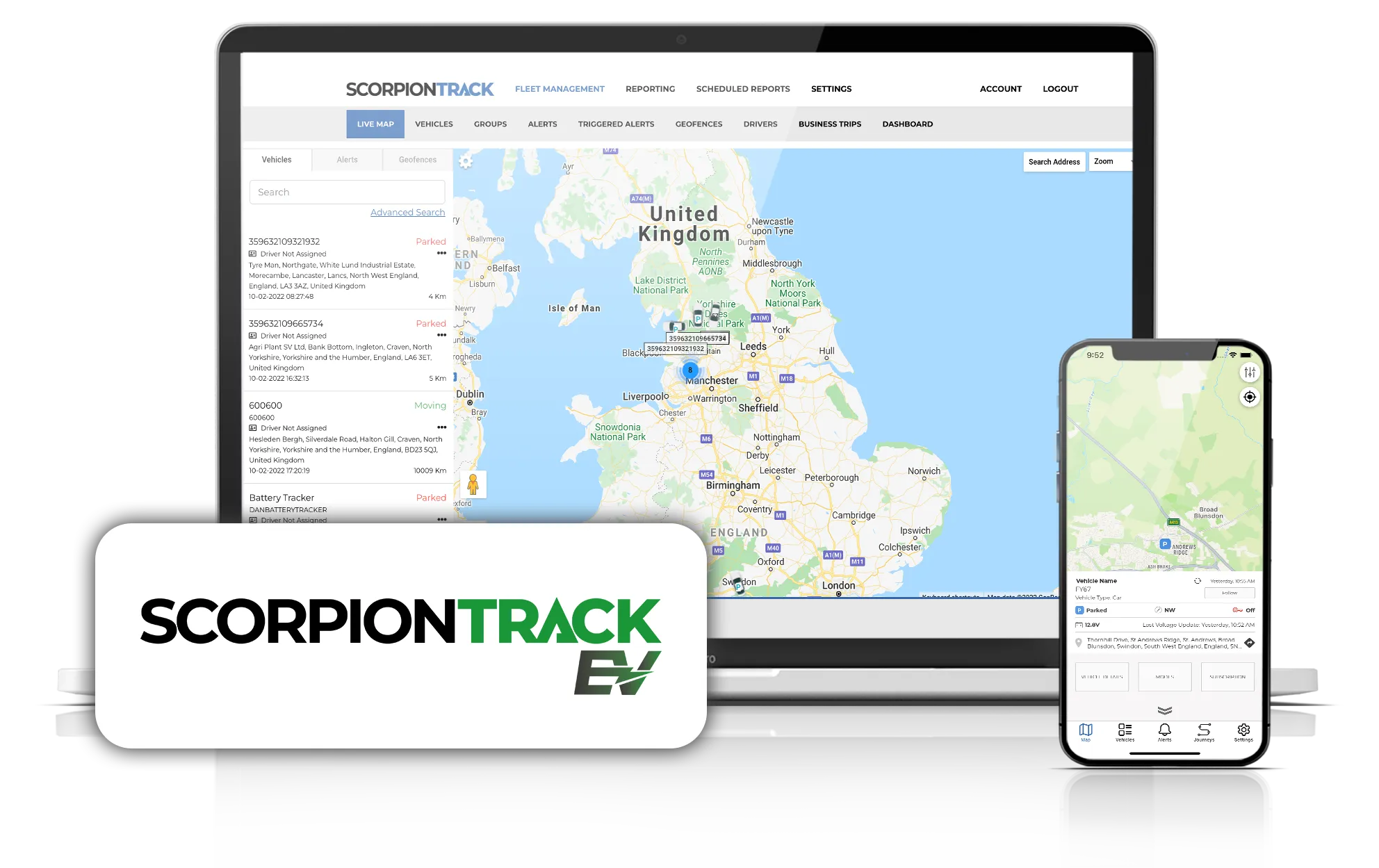
For plug-in hybrids and EVs, ScorpionTrack S5 and S7 trackers are Thatcham approved and use battery technology that keeps power draw minimal. The Scorpion S5EV+ pairs tracking with the X-Series. See electric vehicle tracking, and our post do EVs need an immobiliser for the full immobiliser argument.
Recovery for a hybrid
Recovery works the same way for a hybrid as for any car. GPS and 4G position does the first part, and the Scorpion VHF+ Recovery Network adds a VHF beacon, usable with any tracker, to help searchers reach a vehicle that has been hidden.
Talk to us about securing your hybrid
Got a keyless hybrid and want to know what would actually make a difference? Tell us the model.
- Speak to us about hybrid security
- X-Series immobiliser for PIN and tag protection
Frequently Asked Questions
Are hybrid cars harder to steal than petrol cars?
Not inherently. Theft risk depends on the model’s keyless system, value and demand, not on being a hybrid. Many hybrids are keyless, so they face the same relay and key programming attacks as petrol cars with keyless entry.
Do hybrid cars have immobilisers?
Yes. New hybrids, like all new cars in the UK and EU, have factory immobilisers. A factory immobiliser trusts the key, though, so an aftermarket immobiliser that needs a PIN or tag adds protection against relayed and cloned keys.
Can a hybrid car be stolen silently?
Potentially, yes. Many hybrids can pull away on electric power without starting the engine, so a thief with a working key may make little noise. An immobiliser that blocks a key-only drive-away stops that before the car moves.
Will a tracker drain a hybrid’s battery?
Any tracker draws a little current from the 12V battery while the car is parked. Choose one with low standby draw and have it professionally fitted. ScorpionTrack S5 and S7 trackers use battery technology that keeps power draw minimal.
Do insurers treat hybrid security differently?
Insurers use the same Thatcham categories for hybrids as for other cars. Any security condition depends on the model, its value and its theft record. Check your schedule for a named category, and ask your insurer if anything’s unclear.
Speak to our team
Questions about vehicle security, tracking or fleet telematics? Our UK team will point you to the right product for your vehicle or fleet.
Related Products
View all products →

- hybrid vehicles
- electric vehicles
- keyless theft
- X-Series
- VHF+

Alec J.
Software Engineer at Scorpion Automotive
Alec J., a Software Engineer at Scorpion Automotive in Chorley, covers CAN bus, vehicle electronics and electric vehicles.
Reviewed by James M., Technical Director at Scorpion Automotive


