Car Alarm vs Immobiliser: The Difference and Do You Need Both?
By Mike B. Reviewed byJames M.
The difference between a car alarm and an immobiliser is simple. An alarm detects someone tampering with the car and makes noise. An immobiliser stops the engine starting, so the car can’t be driven away. You don’t always need both, but on most vehicles at real risk, both together beat either alone.
The short answer:
- Alarm: detects and warns. Doors, bonnet, boot and cabin are watched, and a siren sounds.
- Immobiliser: prevents. No correct key, tag or PIN, no start.
- Alarm alone won’t stop a thief who ignores the noise.
- Immobiliser alone won’t stop a break-in for the contents.
- Thatcham Category 1 is the UK rating for a combined alarm and immobiliser.
What does a car alarm actually do?
A car alarm is a detection system. It sits armed while the car is parked and reacts when one of its sensors is disturbed.
Typical alarm protection covers:
- Perimeter: a door, bonnet or tailgate being opened
- Interior: ultrasonic sensors that notice movement or a broken window inside the cabin
- Siren and indicators: the noise and flashing that draw attention
- Back-up power: on better systems, a battery inside the siren keeps it sounding if the car’s battery is cut
The value of an alarm is attention and deterrence. A flashing LED makes a thief think twice, and a siren shortens the time anyone is willing to spend at the car. It also protects what’s inside. For the detail on sensors, our guide to automotive security systems walks through each layer.
What does an immobiliser actually do?
An immobiliser is a prevention system. It doesn’t care whether anyone hears anything. It simply refuses to let the engine run until it sees the right credential.
Most modern cars already have a factory immobiliser that checks a chip in the key. That stops hot-wiring. It doesn’t stop a thief who has the key, a copy of it, or a relay device that makes the car think the key is nearby.
An aftermarket immobiliser adds a second check. The Scorpion X-Series immobiliser, for example:
- arms itself the moment the ignition is switched off
- blocks starting by talking to the car’s control units over its CAN bus network
- needs a custom PIN, entered on the car’s own buttons, or a paired driver tag before it will start
Because the PIN is chosen by the owner and entered on existing controls, there’s no fob or box for a thief to clone.
Car alarm vs immobiliser: side by side
| Car alarm | Immobiliser | |
|---|---|---|
| Main job | Detect and warn | Stop the drive-away |
| Protects the contents | Yes | No |
| Stops the car being driven | No, on its own | Yes |
| Visible deterrent | Yes, LED and siren | Usually hidden |
| Beaten by | Thieves willing to ignore noise | Thieves who have the credential it checks |
| Insurer rating in the UK | Category 2-1 (added to a Category 2 immobiliser) | Category 2 |
Thatcham’s own categories reflect that split. Category 2 is an immobiliser only, Category 2-1 is an aftermarket alarm added to a car that already has a Category 2 immobiliser, and Category 1 combines an electronic immobiliser with an integrated alarm (Motoring Research).
Do you need both an alarm and an immobiliser?
Not every car needs both. Here’s how to decide.
An alarm on its own suits an older or modest car where break-ins for the contents are the main risk and the factory immobiliser is still sound.
An immobiliser on its own suits a keyless car parked on a driveway, where relay theft is the real threat and nobody leaves valuables inside.
Both suit most vans, motorhomes, higher-value cars and any vehicle whose insurer asks for Thatcham Category 1. Vans and motorhomes carry contents worth stealing, and higher-value cars attract the thieves with relay kit.
If your insurer names a category, that decides it. Fit exactly what the policy asks for and keep the certificate.
How does keyless theft change the answer?
Keyless entry shifted the balance towards immobilisers. In a relay attack, the car opens and starts because it believes the real key is present. To an alarm that follows the car’s own locking, that looks like the owner arriving.
So on a keyless car:
- an alarm may never trigger
- the factory immobiliser is satisfied by the relayed key signal
- only an independent check, such as a PIN or tag, stands in the way
That’s why our keyless theft immobilisers guide puts a PIN-based CAN bus immobiliser first for keyless vehicles. An alarm still earns its place for the contents and for visible deterrence. It just isn’t the layer that stops the drive-away.
Scorpion alarms and immobilisers in practice
Scorpion makes both halves, and bundles that put them together.
- S30: a Thatcham Category 1 remote alarm immobiliser with keypad programmer and override.
- S32, S34, S37: Thatcham Category 2-1 upgrade alarms for cars that already have a factory immobiliser.
- X-Series: a CAN bus immobiliser disarmed by PIN or driver tag.
Scorpion Defender brings an alarm and a ScorpionTrack tracker together. Defender X adds the X-Series immobiliser for all three layers. The full line-up is on the alarms and immobilisers page.
Buying an alarm rather than comparing? The car alarm system buyer’s guide compares the four alarm types.
Talk to us about pairing an alarm and immobiliser
Still not sure whether you need an alarm, an immobiliser or both? Tell us the vehicle, how it opens and what your insurer has asked for.
- Speak to us for a straight recommendation
- X-Series immobiliser to see how PIN protection works
Frequently Asked Questions
Is an immobiliser better than a car alarm?
For stopping the car being driven away, yes. An immobiliser blocks the engine, while an alarm only makes noise. For protecting the contents and deterring break-ins, an alarm does the job an immobiliser can’t. Many vehicles benefit from both.
Does my car already have an immobiliser?
Almost certainly, if it’s a modern car. Factory immobilisers check a chip in the key. They stop hot-wiring but can be satisfied by a stolen, cloned or relayed key, which is why owners add an aftermarket immobiliser.
Can I have an alarm and immobiliser in one system?
Yes. A Thatcham Category 1 system combines both. Scorpion’s S30 is a Category 1 alarm immobiliser, and Scorpion Defender bundles an alarm with tracking.
Will an alarm stop keyless car theft?
Usually not on its own. In a relay attack the car opens as if the real key were present, so an alarm linked to the factory locking may not trigger. A PIN-based immobiliser is the layer that stops the drive-away.
Which is cheaper to fit, an alarm or an immobiliser?
It depends on the product and the vehicle, so ask an installer for a quote on both. The better question is which risk you’re covering: break-ins for the contents point to an alarm, drive-away theft points to an immobiliser.
Speak to our team
Questions about vehicle security, tracking or fleet telematics? Our UK team will point you to the right product for your vehicle or fleet.
Related Products
View all products →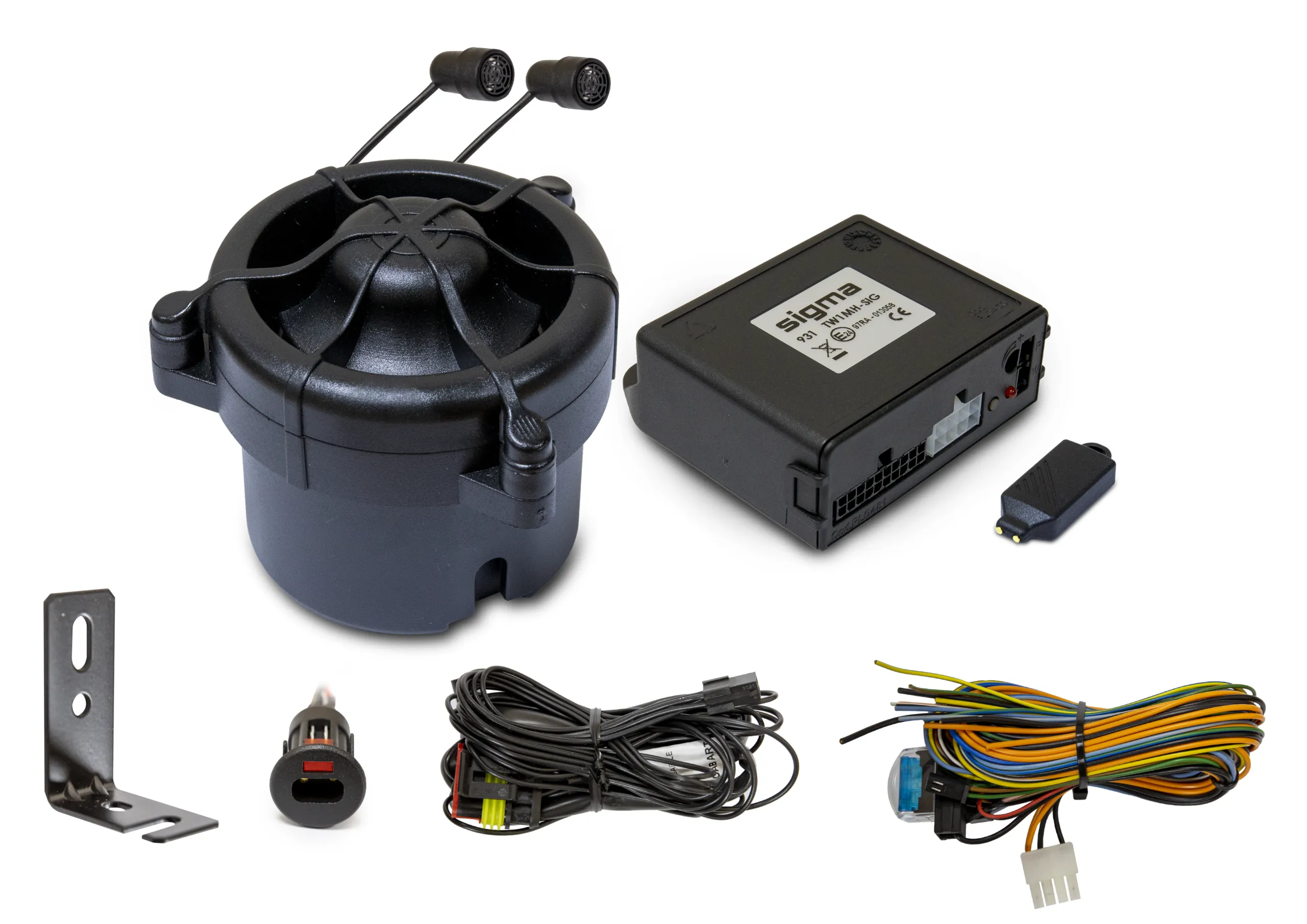


- car alarms
- immobilisers
- X-Series
- keyless theft

Mike B.
Software Engineer at Scorpion Automotive
Mike B. is a Software Engineer at Scorpion Automotive in Chorley. Vehicle security, immobilisers and keyless theft are the areas Mike covers.
Reviewed by James M., Technical Director at Scorpion Automotive