Automotive Security Systems Explained: Alarms to Tracking
By Mike B. Reviewed byJames M.
Automotive security systems are the devices that stop a vehicle being broken into, driven away or lost for good. There are four main types: alarms that detect and warn, immobilisers that stop the engine, trackers that find a stolen vehicle, and physical locks that slow a thief down.
Key facts:
- Alarms react to a door, bonnet or cabin being disturbed and sound a siren.
- Immobilisers stop the engine starting or running without the right key, tag or PIN.
- Trackers report where a vehicle is after it has gone, so it can be recovered.
- Physical locks such as steering and pedal locks add time and visible deterrence.
- Standards matter: UN Regulation No 116 covers alarms and immobilisers in Europe, and Thatcham categories are what UK insurers ask for.
What are the main types of automotive security systems?
Every vehicle security set-up is built from the same four building blocks. They aren’t rivals. Each one deals with a different moment in a theft.
- Before entry: visible deterrents, such as a flashing alarm LED or a steering lock, make a thief choose another car.
- During entry: an alarm notices the door opening or someone moving inside the cabin.
- At the drive-away: an immobiliser keeps the engine from starting.
- After the theft: a tracker reports the vehicle’s location so it can be recovered.
Factory-fitted systems usually cover the second and third stages to a basic level. Most modern cars leave the factory with an electronic immobiliser and many with a factory alarm. Aftermarket products add to that, or replace parts the factory left out. If you want the detail on detection and sirens, start with how a car alarm works.
How does a car alarm protect a vehicle?
An alarm is the noisy, visible layer. It watches the doors, bonnet and boot, and uses ultrasonic sensors to notice movement inside the cabin. When something trips, it sounds a siren and flashes the indicators.
What an alarm gives you:
- Deterrence from the dashboard LED before anyone touches the car
- Attention from the siren once someone does
- A record on some systems of which zone triggered
A battery-backed siren keeps sounding even if the main battery is cut. That’s one of the features a Thatcham Category 1 alarm must include (Motoring Research).
What an alarm can’t do on its own is stop the car moving. A thief who doesn’t care about noise can still drive away unless something blocks the engine.
What does an immobiliser do that an alarm doesn’t?
An immobiliser is the part that stops the drive-away. It interrupts circuits the engine needs, or blocks the start command on the vehicle’s data network, until the right credential is presented.
There are two broad kinds:
- Factory immobilisers check a transponder chip in the key. They’re effective against hot-wiring, but they trust whatever looks like the real key.
- Aftermarket immobilisers add a second check the thief doesn’t have. The Scorpion X-Series CAN bus immobiliser arms itself when the ignition goes off and needs a custom PIN, entered on the car’s own buttons, or a paired driver tag before the engine will start.
That second check matters on keyless cars. A relay attack can convince the car its key is present. It can’t supply a PIN the owner chose.
In Europe, alarm systems and immobilisers for vehicles are approved against UN Regulation No 116, which sets out how these devices must behave (EUR-Lex).
How does stolen vehicle tracking work?
A tracker takes over once the other layers have been beaten. It’s hidden in the vehicle, takes a satellite position fix and sends it over the mobile network to a monitoring centre.
With stolen vehicle tracking from ScorpionTrack, unauthorised movement raises an alert at Scorpion’s 24/7/365 Secure Control Centre. The team contacts the owner and, once a theft is confirmed and reported, works with the police to locate and recover the vehicle.
In the UK, insurers often name a Thatcham tracking category on higher-value vehicles. S7 covers trackers without automatic driver recognition. S5 adds a small tag the driver carries, so the system knows when the vehicle moves without an authorised driver (Motoring Research). You’ll find the full ScorpionTrack range on scorpiontrack.com.
Some tracking set-ups now add a VHF beacon as a second signal. Our explainer on what a VHF tracker is shows why that helps in the final stretch of a search.
Which security system do you need?
The right mix depends on the vehicle, how it’s opened and what your insurer asks for.
| If your main worry is… | Start with | Then add |
|---|---|---|
| Break-ins and theft from the cabin | An alarm with interior sensing | A visible steering lock |
| Keyless relay theft | A PIN-based immobiliser | A tracker |
| An insurer’s security condition | The exact Thatcham category named | Keep the installation certificate |
| Getting a stolen vehicle back | A monitored tracker | An immobiliser to slow the theft |
| A motorhome or van with valuables inside | An alarm that covers lockers or the load area | Tracking |
How Scorpion fits into automotive security
Scorpion Automotive has made vehicle security in the UK since 1973, for vehicle manufacturers and the aftermarket. The range covers each layer:
- S-Series alarms, from non-Thatcham upgrades to the Thatcham Category 1 S30.
- X-Series, a CAN bus immobiliser disarmed by PIN or driver tag
- ScorpionTrack, Thatcham approved stolen vehicle tracking with a 24/7 Secure Control Centre
- Scorpion Defender, which bundles a ScorpionTrack tracker with an alarm, and in Defender X, the X-Series immobiliser too
The alarms and immobilisers page shows the security products side by side, and the vehicle security hardware overview adds tracking.
Talk to us about layering vehicle security
Not sure which combination suits your vehicle or your insurer’s wording? Tell us what you drive and what you need to protect.
- Speak to us about the right security for your vehicle
- Alarms and immobilisers to compare the range
Frequently Asked Questions
What is the best automotive security system?
There isn’t one product that does everything. The strongest protection layers an alarm, an immobiliser that needs a PIN or tag, and a monitored tracker. Start with the layer that matches your biggest risk, then add the others.
Do new cars already have security systems?
Most do. Modern cars almost always have an electronic immobiliser that checks a chip in the key, and many have a factory alarm. Aftermarket systems add checks the factory ones don’t make, such as a PIN before the engine starts.
Is an immobiliser better than an alarm?
They do different jobs. An alarm detects a break-in and makes noise. An immobiliser stops the engine starting. On keyless cars, an immobiliser that needs a PIN does more to stop the drive-away.
Does a tracker stop my car being stolen?
A tracker doesn’t stop the theft itself. It reports where the vehicle is so it can be recovered. Pair it with an immobiliser if you want to stop the vehicle being driven away in the first place.
What security does my insurer want?
Check the policy wording. Insurers often name a Thatcham category, such as Category 1 for an alarm or S5 or S7 for a tracker. Fit the exact category named and keep the installation certificate.
Speak to our team
Questions about vehicle security, tracking or fleet telematics? Our UK team will point you to the right product for your vehicle or fleet.
Related Products
View all products →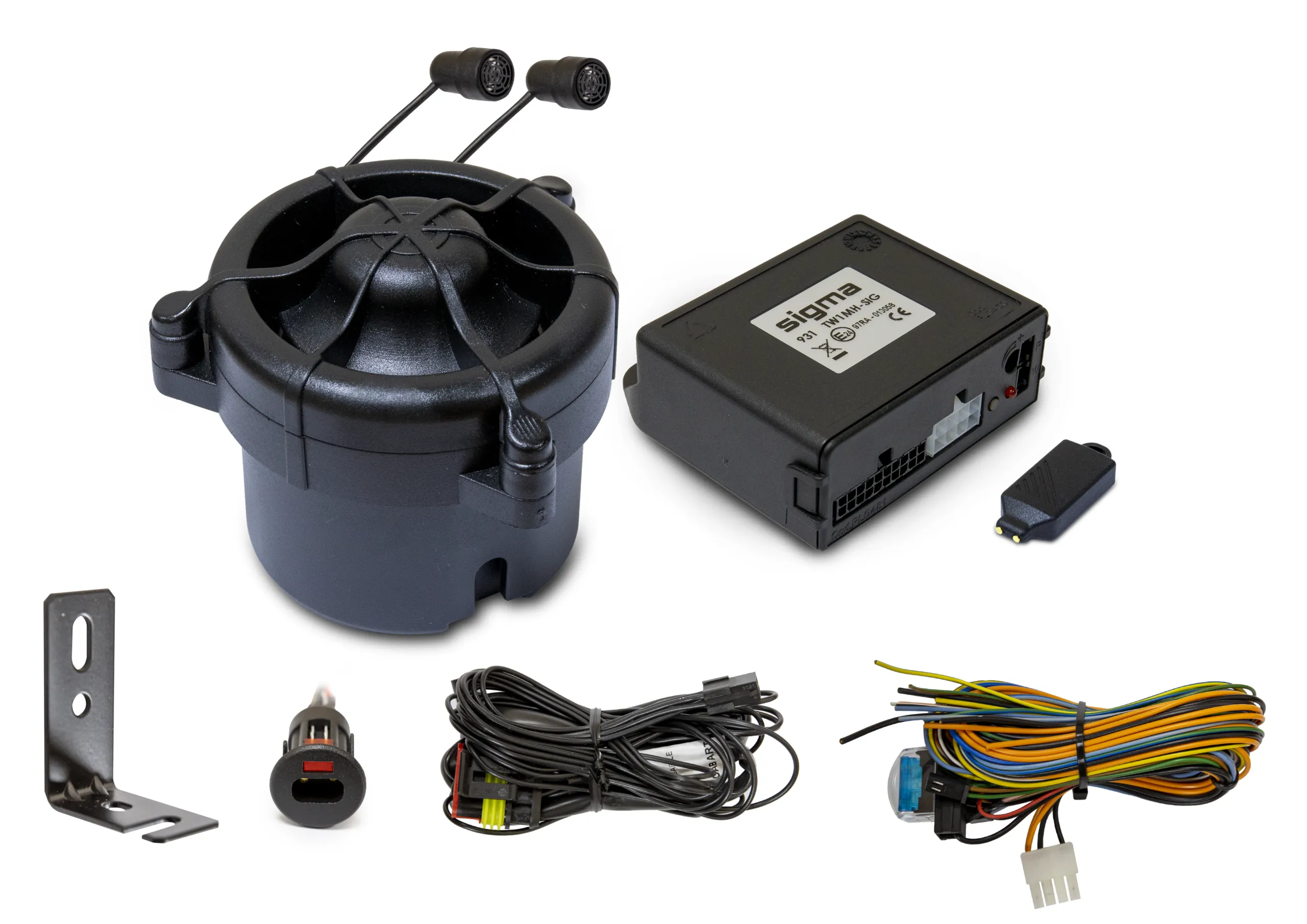


- vehicle security
- car alarms
- immobilisers
- tracking
- VHF+

Mike B.
Software Engineer at Scorpion Automotive
Mike B. is a Software Engineer at Scorpion Automotive in Chorley. Vehicle security, immobilisers and keyless theft are the areas Mike covers.
Reviewed by James M., Technical Director at Scorpion Automotive