Car Alarm System Checklist: 10 Questions to Ask Before Fitting
By Mike B. Reviewed byJames M.
A car alarm system is worth buying only if it matches your car, your insurer and how you use the vehicle. These ten questions cover all three, plus installation and support, so you can compare systems on what matters rather than on the box.
The checklist at a glance:
- Your car: keyless or key start, CAN bus, and where it’s parked.
- Your insurer: whether the policy names a Thatcham category.
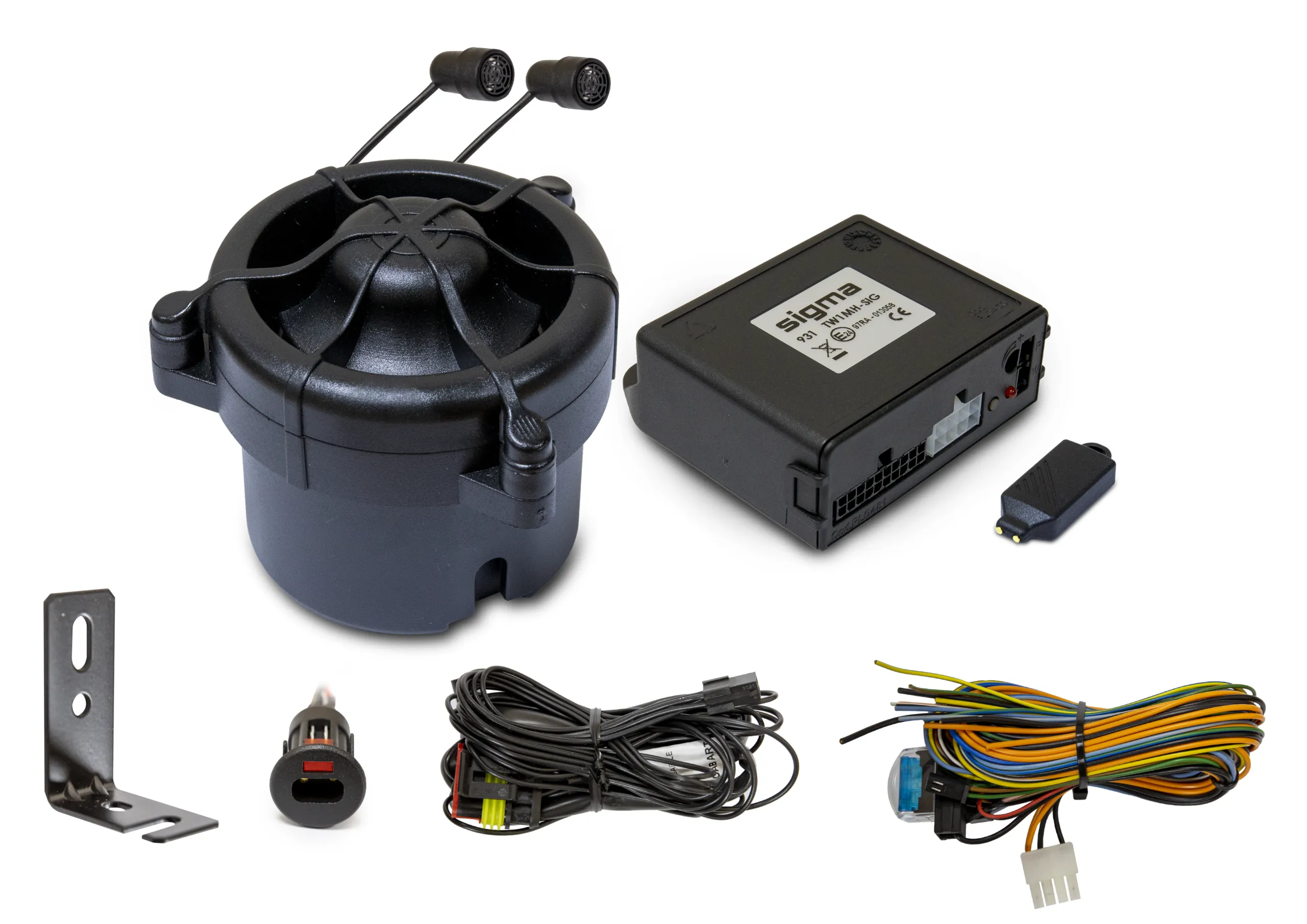
- The alarm: sensors, remote, siren backup and immobilisation.
- The fit: who installs it, how, and what paperwork you get.
- Support: warranty, spares and a technical desk that answers.
What should you check about your car before choosing an alarm system?
Start with the vehicle. The same alarm can be the right answer on one car and the wrong one on the next.
1. Is the car keyless?
Keyless entry and start change the risk. A thief using a relay device makes the car believe the key is present, so it opens and starts normally. An alarm alone may never trigger, because nothing looks forced. If the car is keyless, plan for an immobiliser layer as well.
2. Does it have a factory immobiliser and CAN bus?
Most modern cars do. That makes an upgrade alarm possible, which adds alarm protection while keeping the original remote. Older cars may need a full alarm immobiliser instead.
3. Where does the car sleep?
A car on a busy street, a private drive and a locked garage face different threats. Note which one applies before you compare products.
Does your insurer need a Thatcham category?
4. What does the policy say?
Read the security condition word for word. In the UK, insurers usually specify a Thatcham category, and the common alarm options are:
- Category 1: a combined alarm and immobiliser.
- Category 2-1: an upgrade alarm added to a car that already has a suitable factory immobiliser.
- Non-Thatcham: fine where there’s no insurer condition.
In the Scorpion S-Series alarm range, the S30 is a Thatcham Category 1 alarm immobiliser, the S32, S34 and S37 are Category 2-1 upgrade alarms, and the S4 and S12 are non-Thatcham systems. If the policy doesn’t name a category, ask the insurer before you buy.
What should the alarm system itself include?
This is where products differ most. Use the table to match features to your risk.
5. Which sensors does it have?
Perimeter protection covers doors, bonnet and boot. Ultrasonic interior sensing detects movement inside the cabin. Every S-Series model provides both.
6. Which remote will you use?
Some systems come with their own radio keys. Upgrade alarms such as the S12 and S32 use the car’s original radio keys, so there’s nothing extra on your key ring.
7. Does it cover more than the cabin?
Motorhomes and vans may need habitation area or locker protection. The S37 has a built-in RF receiver for additional wireless PIR sensors for exactly that.
| Your situation | Look for |
|---|---|
| Insurer asks for Category 1 | A Category 1 alarm immobiliser, or a Category 2-1 upgrade on a car with a factory immobiliser |
| You want to keep your original remote | A plip or CAN bus upgrade alarm |
| Keyless car | Alarm plus an independent immobiliser |
| Motorhome or large van | Wireless sensors for habitation or load areas |
| No insurer condition | A non-Thatcham alarm may be enough |
If recovery matters to you, ask whether the system can sit alongside a tracker with a VHF beacon, such as Scorpion VHF+. Compare the two technologies in VHF vs GPS trackers.
Who will fit it, and what support comes with it?
8. Who installs it?
A car alarm system is only as good as the fitting. Ask whether the installer works with your make, how they connect to the vehicle, and whether they avoid unnecessary cutting of the loom. Poor fitting is a common cause of faults, and our guide to false alarms explains why.
9. What paperwork will you get?
For a Thatcham-category system, ask for the certificate your insurer needs. Keep it with the policy documents.
10. What is the warranty and who supports it?
Check the warranty length and who you call when you need a spare remote or a manual. Scorpion security products carry a 2-year manufacturer warranty on hardware, with a UK technical team for spares and support.
Scorpion measured against the checklist
Scorpion’s alarms and immobilisers cover cars, vans, motorhomes and 24V HGVs, and are used in the OE market as well as the aftermarket. For keyless cars, the X-Series CAN bus immobiliser adds a PIN or driver tag check that a relayed key can’t pass.
If you want the wider picture of alarm and immobiliser choices, our 2026 buyer’s guide walks through categories, keyless risk and tracking in more detail.
Talk to us about your checklist answers
Work through the checklist and still unsure? Send us the car, the policy wording and how it’s parked.
- Speak to us about the right car alarm system
- S-Series alarm range models and Thatcham categories
Frequently Asked Questions
What is the best car alarm system?
The best system is the one that matches your car and insurer. Check whether the policy names a Thatcham category, whether the car is keyless, and which sensors you need. A Category 1 or 2-1 system suits most insured cars, with an immobiliser added for keyless models.
What should a car alarm system include?
At minimum, perimeter protection for doors, bonnet and boot, and interior movement sensing. Look for a battery-backed siren, a remote that suits you, and extra sensors if you need to protect a habitation area or load space.
Do I need a Thatcham approved car alarm?
Only if your insurer asks for one. Many policies on higher-value cars name a Thatcham category as a condition. Read the policy wording, and ask the insurer to confirm the category in writing before you buy.
Can I keep my original car remote with an alarm system?
Yes, with an upgrade alarm. Systems such as the S12 and S32 use the car’s original equipment remote, so you arm and disarm the alarm with the key you already have.
Does a car alarm system stop keyless theft?
Not on its own. A relay attack makes the car think the real key is present, so the alarm may disarm normally. Add an independent immobiliser that needs a PIN or driver tag to stop the car being driven away.
Speak to our team
Questions about vehicle security, tracking or fleet telematics? Our UK team will point you to the right product for your vehicle or fleet.
Related Products
View all products →

- car alarms
- S-Series
- buying guide
- VHF+

Mike B.
Software Engineer at Scorpion Automotive
Mike B. is a Software Engineer at Scorpion Automotive in Chorley. Vehicle security, immobilisers and keyless theft are the areas Mike covers.
Reviewed by James M., Technical Director at Scorpion Automotive