VHF+ Finders in Emergency Vehicles: How the Network Grows
By Morgan P. Reviewed byJames M.
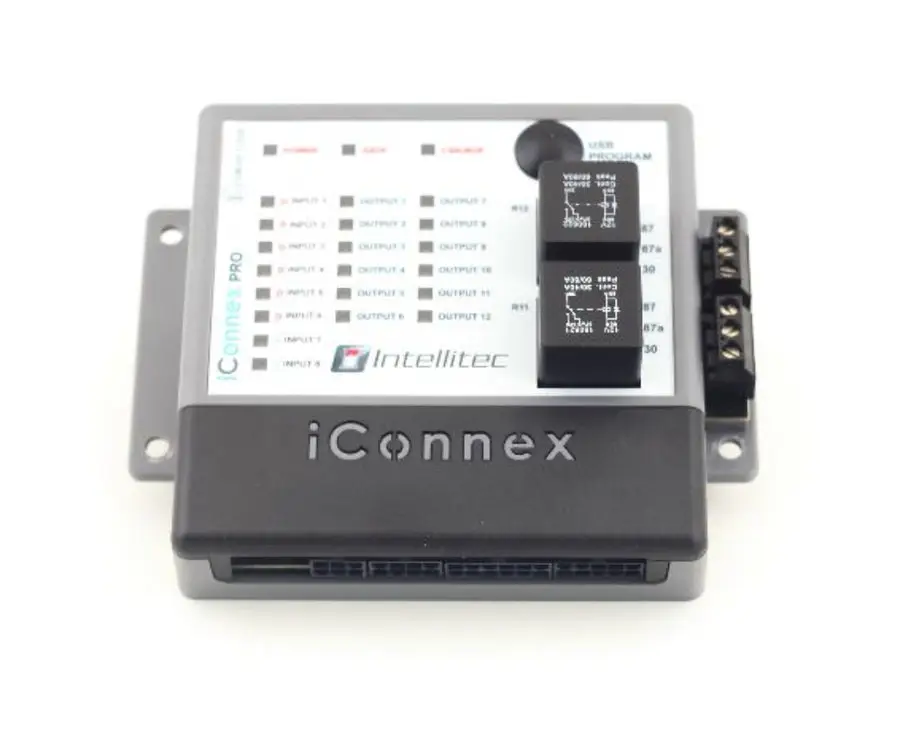
Scorpion VHF+ plans to put VHF finder units in emergency service vehicles, built into the vehicles’ power systems by Intellitec MV, the Scorpion Group’s specialist vehicle electronics company. Finders listen for armed VHF+ beacons as they drive. This is the plan for growing the network; no emergency service has signed up yet.
Key facts:
- Receivers decide coverage. A beacon is only useful if a finder passes within range.
- Emergency vehicles cover the map. They’re on the road around the clock in every part of the country.
- Built in, not bolted on. Intellitec MV already designs and assembles power systems for emergency and specialist vehicles in the UK.
- Finders sweep as they drive. Nobody has to be tasked to look for a beacon to pick it up.
- Status: plan, not coverage. A prototype is working in the field; no force or operator has been announced.
Why does a VHF network need more receivers?
A VHF beacon is a homing signal. It doesn’t send a position to a map; it waits for a receiver to come close enough to hear it. So the number of receivers on the road, and where they go, decides how often a beacon gets found.
That’s been the weak point of VHF recovery in the UK. In Scorpion’s freedom of information requests, the 15 forces that gave both a receiver count and a fleet size reported VHF receivers in 177 of their 9,557 vehicles, or 1.85%. The requests went to forces between August 2025 and May 2026, and each force’s response letter is available on request. The full method and force table are in the UK police VHF readiness report. How police receivers work and how forces get them is covered in police VHF detection in the UK.
The existing route for police receivers is sponsorship, force by force. Greater Manchester approved a new sponsorship agreement with Tracker in July 2026 covering about 24 newly fitted vehicles a year, with Tracker supplying the system free of charge as sponsorship according to the decision record (GMCA). We explain how that works in how police get tracker detection kit.
How would finders get into emergency vehicles?
Through the electrics, at the build stage. Emergency and specialist vehicles are converted after they leave the manufacturer: lighting, sirens, radios, chargers and power management are added by specialist builders.
Intellitec MV is one of those suppliers. It’s a Scorpion Group company in Bromborough that makes power distribution and management systems for bus, truck, emergency and specialist vehicles, and it’s UK assembled. Read more on our power solutions page.
The plan is simple to describe:
- Add the finder to the power system the vehicle already needs.
- Fit it during conversion, so it’s part of the vehicle from the start.
- Power it from the vehicle when the ignition is on, with no separate box to maintain.
- Repeat across fleets as vehicles are replaced, so coverage grows with normal renewal.
How does a finder find a stolen vehicle?
Two ways, and the first one needs no one to do anything.
| Mode | What happens | Who’s involved |
|---|---|---|
| Sweep | The finder calls out as it drives; any armed beacon in range answers | Nobody tasked; it happens during normal driving |
| Dispatch | The control room sends a code for one beacon to a finder near the tracker’s last position | Control room plus the finder’s crew |
| Homing | The finder follows signal strength to the vehicle, with a handheld for the last metres | Searcher on foot or in the vehicle |
Beacons arm only after a theft trigger: the tracker detects jamming, the control room confirms a theft, or the vehicle battery is cut. Under the VHF+ design a finder can only prompt an armed beacon to reply: it has no way to arm one, switch one off or forge an answer. The VHF+ Recovery Network page covers the full design.
Will emergency crews be chasing stolen cars?
No. A finder doesn’t turn an ambulance or fire engine into a pursuit vehicle. In the VHF+ design, the finder records a beacon contact, and the control room decides what happens next with police. The finder screen also shows “transmitting, not stolen” where relevant, so a vehicle isn’t stopped on a beacon signal alone.
That’s a deliberate choice. Emergency crews have their own work; the finder’s job is to listen in the background and pass on what it hears.
What has to happen before finders are on the road?
Four things have to happen first:
- Agreements with emergency services and fleet operators. None has been announced.
- Field trials. A prototype is working; measured performance will be published after trials.
- Production finders. The design is complete; production follows trials.
- Partner fleets. Recovery, breakdown and other fleets can carry finders too, so coverage doesn’t rest on one type of vehicle.
Scorpion holds Ofcom licence 1419997/1 (issued 15 September 2026, UK-wide) for the channel. ScorpionTrack is the UK’s largest SVR provider by connected trackers, and VHF joins its portfolio: we’re building the UK’s largest VHF recovery network by device count, and we’ll report the numbers as they grow. The licence is explained in the Ofcom licence page.
How can fleets and providers take part?
The network is open. Telematics providers can join as members and offer VHF+ to their own customers, whichever tracker they fit. Fleet operators can carry finders. Emergency vehicle builders and operators can talk to us about line fit through Intellitec. Start at join the VHF+ network or the Scorpion VHF+ overview. Insurers and fleet buyers can read VHF+ for insurers and fleets.
Talk to us about the finder programme
If you build, run or buy emergency or specialist vehicles and want to know more about the finder programme, get in touch.
- Speak to us about VHF+ finders.
- Join the VHF+ network: membership for providers and fleets.
Frequently Asked Questions
What is a VHF+ finder?
A finder is the receiver side of the Scorpion VHF+ Recovery Network. It listens for armed VHF+ beacons in stolen vehicles, picks up their coded reply and lets a searcher follow the signal to the vehicle. Finders are planned for emergency service vehicles and partner fleets.
Are VHF+ finders already in emergency vehicles?
Not yet. Fitting finders in emergency service vehicles through Intellitec MV is the plan for growing the network, and no emergency service or operator has been announced. A prototype is working in the field, and we’ll say where finders operate once agreements are signed.
Why use emergency service vehicles as finders?
They’re on the road around the clock across the whole country, so they pass many of the places a stolen vehicle could be hidden. Intellitec MV already builds power systems for these vehicles, so a finder can be added as part of the vehicle’s electrics instead of a separate retrofit.
Will an ambulance or fire engine stop a stolen car?
No. A finder records a beacon contact in the background and the control room decides what happens next with police. In the VHF+ design, the finder screen shows when a beacon is transmitting but not stolen, so no vehicle is stopped on a beacon signal alone.
Who is Intellitec MV?
Intellitec MV is a Scorpion Group company based in Bromborough on the Wirral. It designs and assembles power distribution and management systems for specialist vehicles, including bus, truck, emergency services, leisure and marine applications, with all assembly in the UK.
Speak to our team
Want tracking backed by a recovery team that works 24/7 with UK police? Speak to us about the right system for your vehicles.
Related Products
View all products →

- VHF+
- emergency vehicles
- Intellitec
- stolen vehicle recovery

Morgan P.
Head of Tracking Support at Scorpion Automotive
As Head of Tracking Support at Scorpion Automotive in Chorley, Morgan P. writes about Scorpion VHF+, stolen vehicle tracking, theft data and international markets.
Reviewed by James M., Technical Director at Scorpion Automotive