Rental Fleet Security: Protecting Hire and Lease Vehicles
By Ben S. Reviewed byJames M.
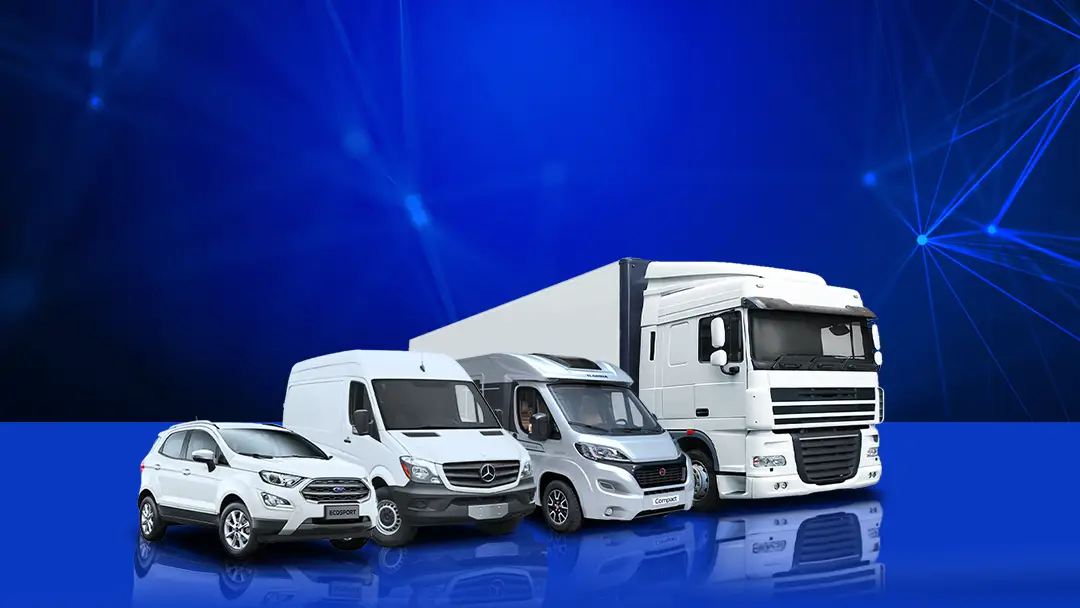
Rental fleet security is about protecting vehicles at their most exposed moments: parked at a depot between hires, handed to a new driver, or overdue and out of contact. The essentials are tight key control, an immobiliser that doesn’t rely on the key, tracking with alerts, and a clear process for vehicles that don’t come back.
The short version:
- Keys change hands constantly, so key control is the first job.
- Depots and car parks hold many vehicles in one place, often overnight.
- An independent immobiliser stops drive-away with a stolen or copied key.
- Tracking and geofences show where every vehicle is and flag overdue returns.
- A written process for non-returns and thefts saves time when it matters.
Why are rental and leasing fleets a target?
A hire fleet concentrates value. Dozens of recent, well-maintained vehicles sit in one compound, often with their keys on site.
The business model adds its own exposure:
- Many drivers use each vehicle, so habits vary from hire to hire.
- Keys pass through many hands, which makes it harder to know where every key is.
- Vehicles leave for days or weeks with drivers the company may not know well.
- Lease vehicles sit with customers, out of the owner’s direct control.
None of this means hirers are the problem. It means the security has to work regardless of who’s holding the key.
How should a hire company control keys?
Key control is cheaper than any device and prevents a lot of loss.
- Secure storage at depots, such as a locked key cabinet or safe.
- Sign-out and sign-in for every key movement, with names and times.
- Count keys daily, including spares.
- Act on a missing key straight away, and treat the vehicle as at risk until it’s resolved.
- Limit spares and keep them separate from the working set.
Keyless vehicles add relay risk at the depot. Store fobs away from the compound perimeter, and read our checklist on how to protect a keyless car.
How do you stop drive-away theft between hires?
The factory immobiliser trusts the key. If a key is copied, kept or stolen, the vehicle starts. An independent immobiliser adds a second check.
Two approaches suit fleets:
- CAN bus immobiliser: the X-Series immobiliser arms itself when the ignition is switched off and needs a custom PIN entered on the vehicle’s own buttons, or a driver tag. Nothing is visible to a thief.
- Keypad immobiliser for vans: FleetLock immobilises the van 10 seconds after the ignition is switched off, whether or not the key is in it, and needs a 4-digit PIN to restart.
For hire use, think about the handover. Each customer needs the PIN or a tag, so decide how those are issued and changed between hires. Speak to us about the setup that fits your process.
How does tracking help with overdue and stolen vehicles?
Tracking shows where every vehicle is, which matters most when one isn’t where it should be.
| Situation | What tracking gives you |
|---|---|
| Vehicle leaves the depot out of hours | Movement alert and live location |
| Hire overdue | Last known position to support contact |
| Vehicle taken abroad against terms | Location and journey history |
| Suspected theft | Location to give the police, plus remote immobilisation where fitted |
| Lease vehicle checks | Mileage and journey records |
AutoM8 fleet management covers live maps, alerts and geofences for 5 to 5,000 vehicles, with optional 24/7/365 theft monitoring. Every FleetLock level includes AutoM8 telematics and remote vehicle immobilisation.
What should depot security look like?
The depot is where the most vehicles meet the fewest people.
- Perimeter: lockable gates, good lighting and cameras covering the exit.
- Parking layout: block high-value vehicles in with lower-value ones overnight.
- Geofence the compound, so out-of-hours movement raises an alert.
- Handover checks: confirm identity and licence before keys are issued.
Put all of this in writing. Our guide to writing a fleet security policy gives a section-by-section outline that works for hire fleets too.
Finding vehicles that don’t come back
A hire vehicle kept indoors can fade from GPS. Because a VHF+ beacon works with any tracker, a fleet with mixed telematics providers could add it without switching supplier. It’s in pre-launch.
Talk to us about rental fleet security
Running a hire or leasing fleet? Tell us the vehicle mix, how handovers work and where vehicles are kept.
- Speak to us about rental fleet security
- Fleet management with AutoM8
Frequently Asked Questions
What is rental fleet security?
It’s the combination of key control, vehicle security, tracking and depot measures that protect hire and lease vehicles. The aim is to keep vehicles safe at depots, during hires and when a vehicle isn’t returned on time.
How do hire companies stop vehicles being stolen?
The usual approach combines strict key control, secure depots and tracking with alerts. An independent immobiliser adds protection against stolen or copied keys, because the vehicle won’t start without a PIN or tag.
Can tracking help recover an unreturned hire vehicle?
Tracking shows the vehicle’s location and journey history, which supports contact with the hirer and any police report. Where remote immobilisation is fitted, it can also stop the vehicle being used.
Do immobilisers work for hire vehicles with many drivers?
Yes, with planning. Each driver needs the PIN or a tag, so decide how those are issued and changed between hires. A keypad immobiliser suits vans, while a CAN bus immobiliser stays hidden behind the vehicle’s own buttons.
Should lease vehicles be tracked?
Tracking protects the asset and supports recovery, so it’s worth considering. Tell lessees what’s fitted and why, and set it out in the agreement.
Speak to our team
Questions about vehicle security, tracking or fleet telematics? Our UK team will point you to the right product for your vehicle or fleet.
Related Products
View all products →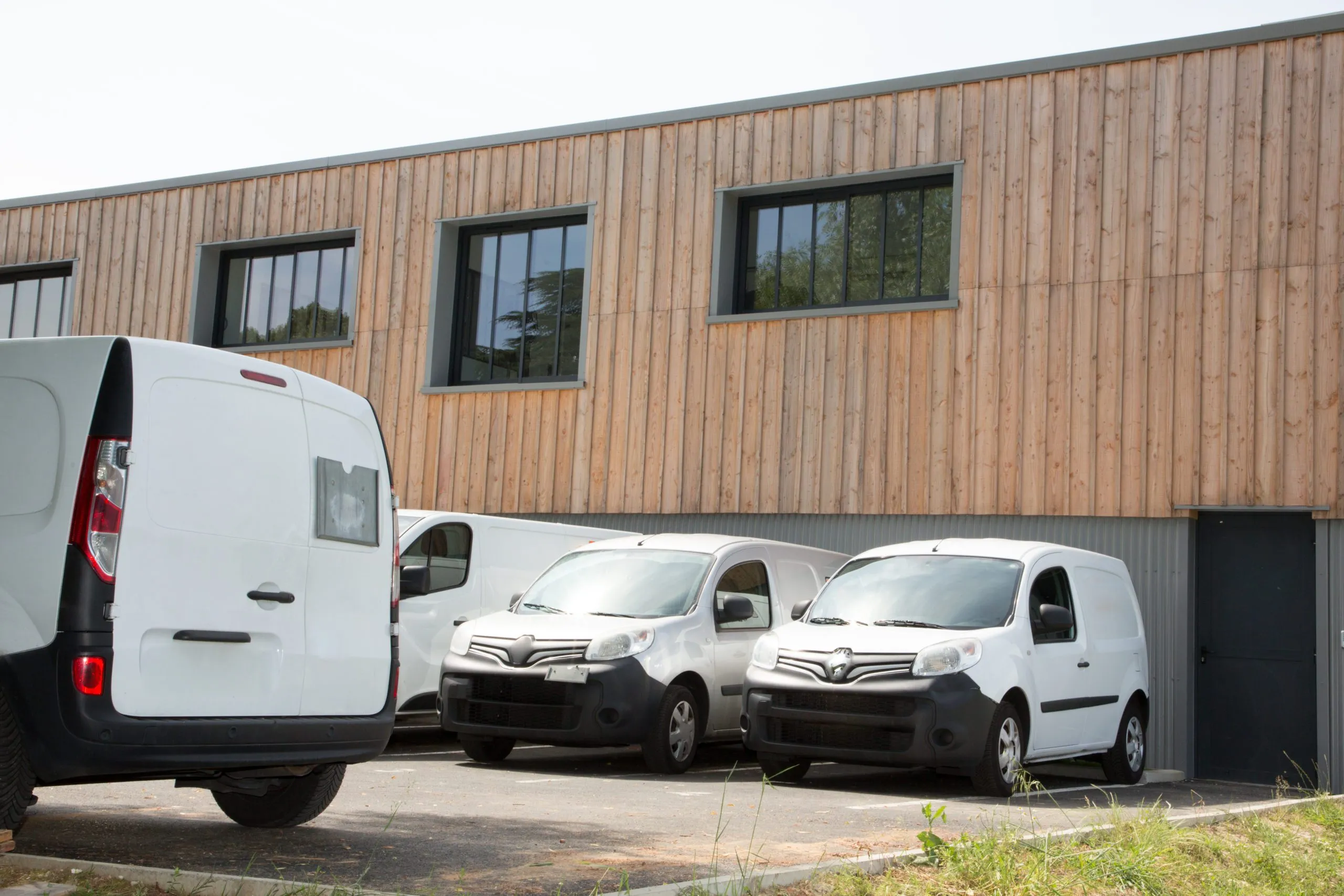

- rental fleets
- leasing
- fleet
- tracking
- VHF+

Ben S.
Software Engineer at Scorpion Automotive
Ben S. is a Software Engineer at Scorpion Automotive in Chorley, covering fleet management, telematics and AutoM8.
Reviewed by James M., Technical Director at Scorpion Automotive


