HGV Alarm and Immobiliser Guide for 24V Trucks
By Sam P. Reviewed byJames M.
An HGV alarm has to do three things a car alarm doesn’t: run on the truck’s 24V electrical system, protect a large cab, and resist the keyless and diagnostic-port methods used to steal tractor units. The right HGV alarm and immobiliser combination stops the truck being driven away and protects the driver’s cab when it’s parked.
Key facts:
- Voltage matters: vehicles run on 12V or 24V systems, and HGV security has to suit the truck.
- Tractor units are stolen electronically, using keyless methods and diagnostic devices, as well as with stolen keys.
- An independent immobiliser stops a cloned or programmed key starting the truck.
- Cab alarms protect drivers’ belongings, documents and equipment on overnight stops.
- Tracking is the recovery layer for a truck, trailer or load.
Why does an HGV need a 24V alarm?
Road vehicles don’t all run at the same voltage. The Health and Safety Executive’s battery safety guidance reminds anyone jump-starting a vehicle to check the vehicles use the same voltage, for example 12 or 24 volts. Cars and vans are typically 12V. Heavy goods vehicles are typically 24V.
That matters for security equipment because an alarm or immobiliser built for a 12V car isn’t automatically suitable for a truck. Before fitting anything to an HGV, check:
- The supply voltage the unit is rated for.
- How it handles the truck’s electrical noise and voltage spikes.
- Standby current, since trucks can sit for a weekend or longer.
Scorpion’s alarms and immobilisers range covers 12V cars, vans, motorcycles and scooters, and 24V HGVs, as well as the plant equipment sector.
How are HGVs stolen?
The national vehicle crime intelligence service, NaVCIS, describes how organised groups steal HGV tractor units in its 2022 freight crime problem profile. Thieves use keyless means and on-board diagnostic (OBD) devices, or break into offices to take keys, and then fit cloned number plates.
So the threats to an HGV look a lot like the threats to a modern car, with higher stakes:
- Keyless and electronic theft of the tractor unit.
- Key theft from depots, offices and cabs.
- Theft from the cab, especially on overnight stops.
- Theft of or from the trailer, covered in our separate guide to cargo crime.
The scale is significant. NaVCIS reported that freight crime in 2020 cost £95.7 million, from 4,468 notifications of HGV, freight and cargo crime.
What does an HGV immobiliser do?
A factory immobiliser lets the engine start when it recognises the key. Clone the key, or program a new one through the OBD port, and the truck starts. An aftermarket immobiliser adds a second, independent check.
Good HGV immobilisers:
- Arm automatically when the ignition goes off, so nobody has to remember.
- Need something the thief doesn’t have: a PIN, a tag or a driver ID.
- Work independently of the vehicle’s own key recognition.
- Suit the duty cycle, with drivers starting and stopping many times a shift.
On fleets, immobilisation often links with telematics, so a vehicle can be immobilised remotely and the transport office knows who is driving.
How should a truck cab alarm work?
An HGV cab is a workplace and, on overnight stops, a bedroom. A truck cab alarm needs to protect it without disturbing a sleeping driver.
Things to look for:
- Door and perimeter protection on both cab doors.
- Interior sensing suited to a truck cab. Curtains and bunks can get in the way of ultrasonic sensors. Scorpion’s programmable microwave intrusion detector, approved by DAF Trucks, is used as an alternative to ultrasonics in trucks and in vehicles where curtains interfere.
- A way to arm the doors only while the driver is inside.
HGV security: what to fit
| If your main risk is… | Start with… |
|---|---|
| Tractor unit stolen with keyless or OBD methods | Independent immobiliser with PIN or tag |
| Keys taken from the depot | Key control, plus an immobiliser that needs more than the key |
| Cab break-ins on overnight stops | 24V cab alarm with door protection |
| Recovering a stolen truck | Monitored tracking and telematics |
| Safety systems on the same vehicle | A CAN interface for cameras and warnings |
Security isn’t the only electronics an HGV carries. Side-scan cameras, reversing alarms and turn warnings rely on clean signals too, and a commercial vehicle CAN interface reads them off the truck’s network without cutting the loom. Smaller commercial vehicles face many of the same tactics; our guide to delivery van theft covers the light commercial side.
When a stolen tractor unit goes to ground
A tractor unit can be in a covered yard within the hour, where GPS reception is poor. A VHF beacon from the Scorpion VHF+ Recovery Network adds a recovery signal close to the vehicle, and it pairs with whatever tracker an operator already runs, so a mixed fleet doesn’t need new telematics. See VHF vs GPS tracker for how the layers compare.
Talk to us about securing your trucks
Tell us the trucks you run, how they’re used and where they park, and we’ll recommend the right 24V alarm and immobiliser.
- Speak to us about HGV security
- Alarms and immobilisers for 12V and 24V vehicles
Frequently Asked Questions
Can you fit a car alarm to a lorry?
Not automatically. Cars are typically 12V and HGVs typically 24V, so the alarm has to be rated for the truck’s supply. Use an alarm and immobiliser specified for 24V vehicles and fitted by an installer who knows HGVs.
How are lorries stolen?
NaVCIS reports that organised groups steal HGV tractor units using keyless methods and on-board diagnostic devices, or by stealing keys from offices, and then fit cloned plates. An independent immobiliser that needs a PIN or tag closes off most of those methods.
Do HGVs need an immobiliser?
An aftermarket immobiliser is strongly worth having. The factory system trusts the key, so a cloned or newly programmed key starts the truck. An independent immobiliser adds a check the thief can’t pass with the key alone.
Can a truck cab alarm stay on while the driver sleeps?
With the right system, yes. Arm the door and perimeter protection while leaving interior sensing off, so the cab is protected without the alarm reacting to the driver moving inside.
Does Scorpion make security for 24V vehicles?
Yes. Scorpion’s alarm and immobiliser range covers 24V HGVs and the plant equipment sector as well as 12V cars and vans, and Scorpion supplies DAF Trucks.
Speak to our team
Questions about vehicle security, tracking or fleet telematics? Our UK team will point you to the right product for your vehicle or fleet.
Related Products
View all products →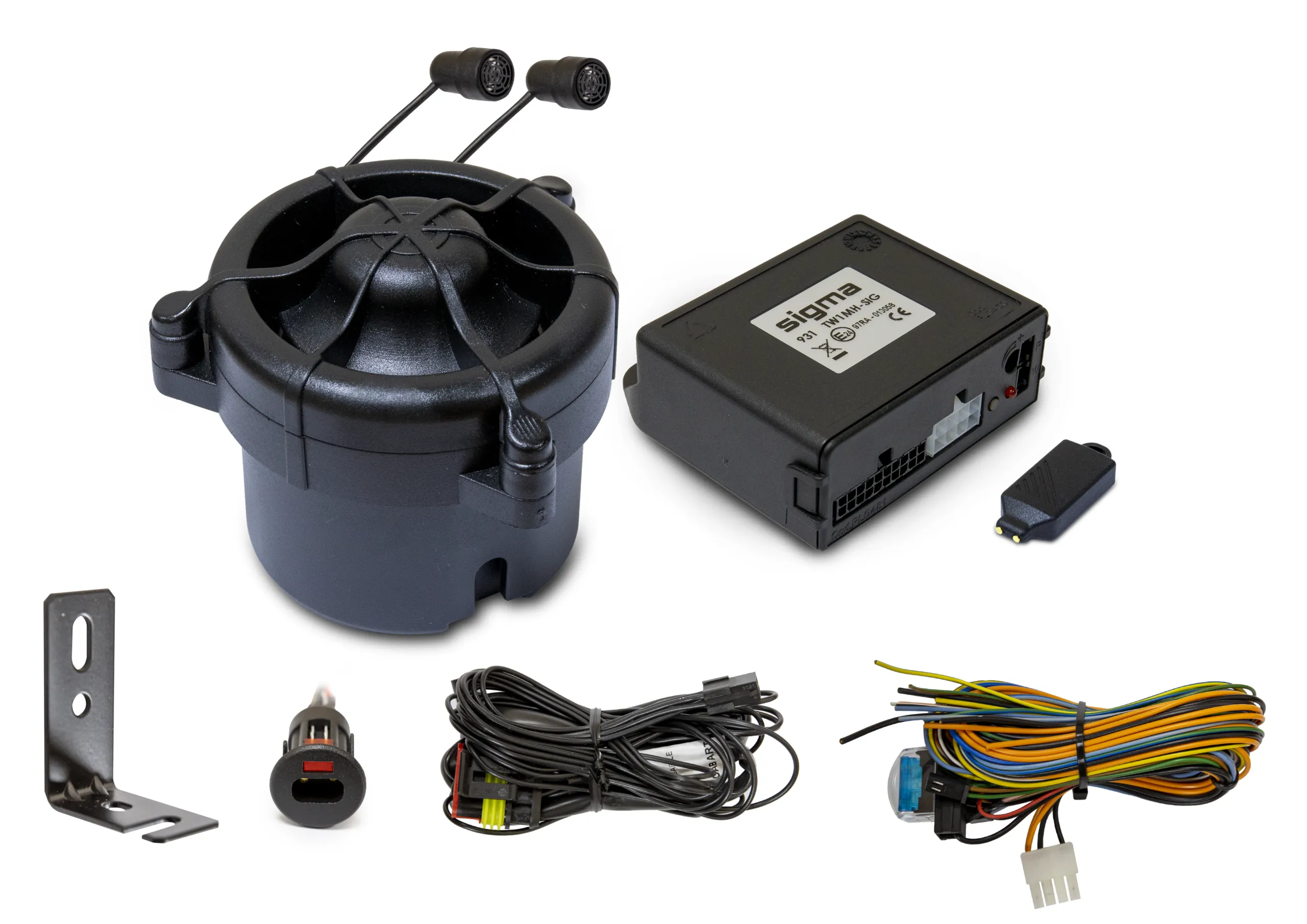


- HGV security
- alarms
- immobilisers
- 24V

Sam P.
R&D Technician at Scorpion Automotive
Sam P. works as an R&D Technician at Scorpion Automotive in Chorley, covering commercial and specialist vehicles, trade partners, and fitting and vehicle electrics.
Reviewed by James M., Technical Director at Scorpion Automotive


