Electric Van Security for Last-Mile Delivery Fleets
By Alec J. Reviewed byJames M.
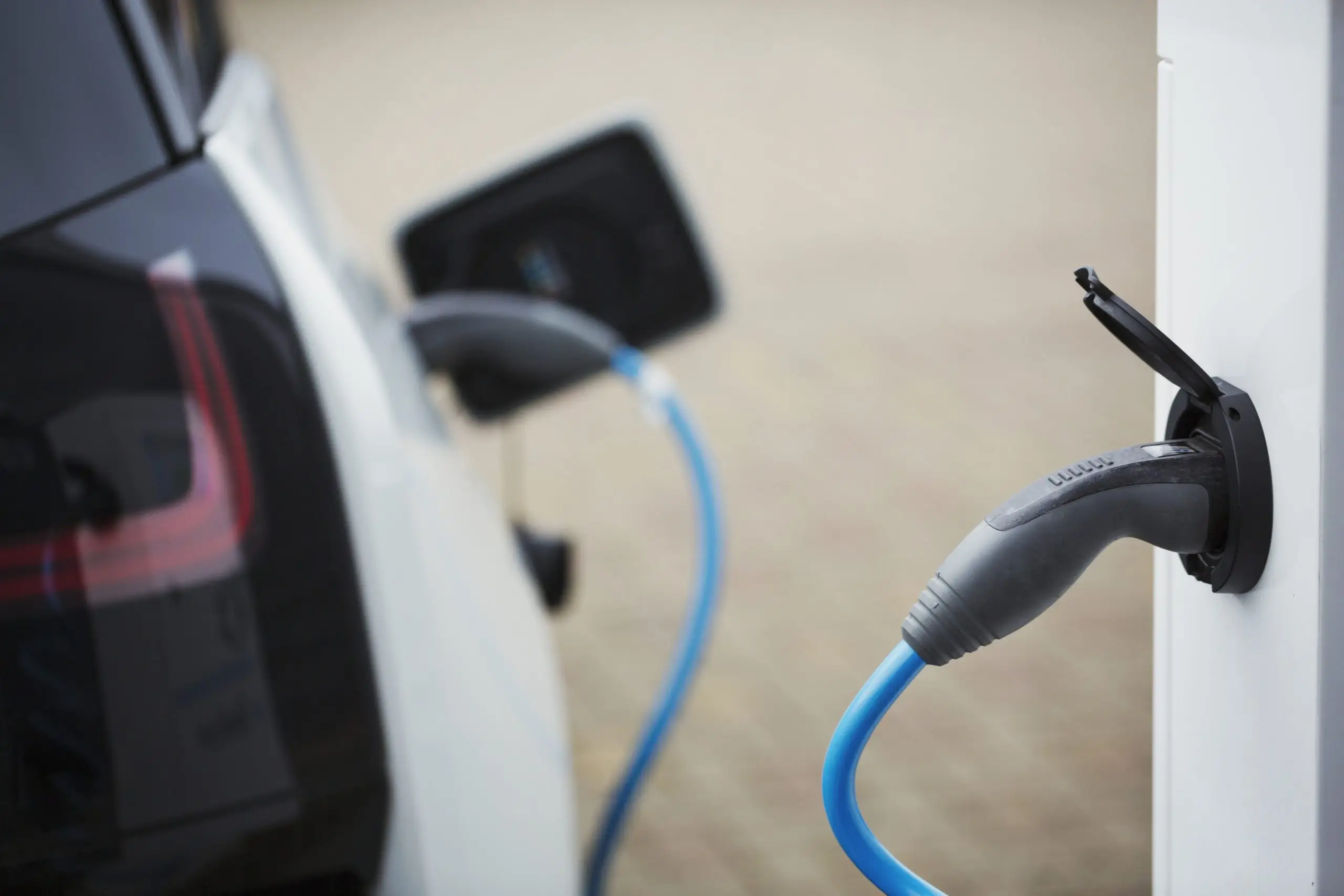
Electric van security for last-mile fleets comes down to three jobs: keeping the load safe through dozens of stops a day, stopping the van being driven away, and tracking it without draining the battery. Electric vans share most theft risks with diesel ones, but how they’re used and powered changes the details.
Key points:
- The load is the main risk on multi-drop routes, more than the van itself.
- Auto-locking doors protect parcels while the driver is at the doorstep.
- Immobilisation stops a quiet, keyless van being driven off.
- Tracking must have a low power draw on an EV.
- Fitting on an EV needs an installer who knows the vehicle.
Why do electric delivery vans need their own security plan?
An electric van on a last-mile route might stop dozens of times a day. Each stop is a few minutes with the driver away from the cab and the load doors closed but not always locked.
Electric vans also bring specific traits. They’re keyless or push-button start in many cases, they’re quiet, and their batteries power everything from traction to telematics. A security plan that ignores those points leaves gaps.
The value at stake is higher too. A loaded EV van carries an expensive vehicle and a day’s parcels. Fleets building an EV fleet should also consider the wider duty of care; our guide to EV fleet security covers that side.
How do you protect parcels at every stop?
Follow-on theft happens when a thief waits for a driver to leave the van and walks off with whatever’s inside. The fix is to make sure the doors are always locked, without slowing the driver down.
Effective measures:
- Auto-locking so every door locks as soon as it closes.
- Touch keys that resist radio scanning and let the driver in quickly.
- Passenger doors that open only from inside.
- Driver habits backed by the hardware, not instead of it.
Our guide to delivery van theft explains how auto-locking stops follow-on thieves in practice.
How do you stop an electric van being driven away?
Keyless systems can be attacked with relay and diagnostic-port methods, and an EV makes no engine noise as it leaves. Immobilisation that sits independently of the vehicle’s own systems adds a check a thief can’t get past with a cloned or relayed key.
Look for immobilisation that:
- Arms automatically when the ignition goes off.
- Needs a PIN or driver credential before the van will drive.
- Works independently of the vehicle’s computer, so diagnostic-port attacks don’t bypass it.
What should you look for in an electric van tracker?
Tracking matters for recovery and for running the fleet. On an EV, power draw matters as much as features.
| Feature | Why it matters on an electric van |
|---|---|
| Low power draw | Protects range and the 12V system when parked |
| 24/7 monitoring | Someone acts on an alert at 3am |
| Remote immobilisation | A stolen van can be stopped safely |
| Driver identification | Shows who’s driving and flags unauthorised use |
| Fleet reporting | Routes, stops and utilisation for the operation |
ScorpionTrack S5 and S7 trackers use low power draw battery technology, which is why they suit electric vehicles. More on our electric vehicles page.
What changes when you fit security to an electric van?
Fitting to an EV follows the same principles as any modern van: use the right connection points, avoid cutting the factory loom and test properly. The difference is the electrical system around it.
Practical points for fleets:
- Use installers trained on EVs, who know which areas to avoid.
- Confirm compatibility for the exact make, model and year before ordering.
- Plan installs at depots so vans aren’t off the road for long.
- Brief drivers on touch keys, PIN codes and what to do if an alarm triggers.
How does it all fit together for a fleet?
Layer the measures so each covers a different gap: locking for the load, immobilisation for the vehicle, tracking for recovery and fleet data. Then manage the fleet from one platform. Our fleet management page covers the operational side.
How FleetLock protects electric vans
FleetLock was developed with delivery service companies to protect vans and their contents. It combines multipoint auto-locking, anti-scan touch keys and keypad immobilisation that operates independently of the vehicle’s computer. Doors auto-lock one second after closing, programmable up to 60 seconds. FleetLock comes in Lite, Plus and Pro levels; Pro adds AutoM8 telematics with remote immobilisation and 24/7/365 theft monitoring. Speak to us to confirm fitment on your electric van models.
Finding an electric van that has been hidden
A van taken from a depot can be driven straight into a lock-up. Fleets that already run a tracker can add a VHF beacon from the Scorpion VHF+ Recovery Network to give searchers a close-range signal, whichever tracker brand is fitted. What is a VHF tracker explains the idea.
Talk to us about securing your electric van fleet
Rolling out electric vans on last-mile routes?
- Speak to us about security for your EV fleet
- FleetLock for locking, immobilisation and tracking
Frequently Asked Questions
Are electric vans more likely to be stolen than diesel vans?
The bigger difference is how they’re used. On last-mile routes the load is at risk at every stop, and keyless systems face relay and diagnostic-port attacks. Security should cover the load, the vehicle and recovery.
Will a tracker drain an electric van’s battery?
A tracker always draws some power, so choose one with a low power draw. ScorpionTrack S5 and S7 trackers use low power draw battery technology, which is why they suit electric vehicles.
How do you stop parcels being stolen from an electric delivery van?
Fit auto-locking so every door locks as it closes, with touch keys that resist radio scanning so drivers get back in quickly. Make passenger doors open only from inside. FleetLock combines these measures.
Can FleetLock be fitted to an electric van?
Speak to us with the exact make, model and year. FleetLock’s locking and immobilisation work independently of the vehicle’s computer, and compatibility is confirmed per model before ordering.
What security layers does an electric van fleet need?
Most fleets combine auto-locking for the load, immobilisation independent of the vehicle’s systems, a monitored low-drain tracker and fleet management software, plus driver briefings so the hardware is used properly.
Speak to our team
Questions about vehicle security, tracking or fleet telematics? Our UK team will point you to the right product for your vehicle or fleet.
Related Products
View all products →


- electric vehicles
- vans
- fleet
- FleetLock
- last mile

Alec J.
Software Engineer at Scorpion Automotive
Alec J., a Software Engineer at Scorpion Automotive in Chorley, covers CAN bus, vehicle electronics and electric vehicles.
Reviewed by James M., Technical Director at Scorpion Automotive