Can an Immobiliser Be Bypassed? What Makes One Harder to Beat
By Mike B. Reviewed byJames M.
Yes, an immobiliser can be bypassed, and factory immobilisers are bypassed every day. Thieves rarely break them. They fool them, with relayed keys, newly programmed keys or fake network messages. An immobiliser is harder to bypass when it ignores the key, hides on the network and needs a secret only the driver has.
Key facts:
- Factory immobilisers trust the key, so attacks that fake or add a key get past them.
- Older aftermarket immobilisers often cut one circuit with a relay a thief could find and bridge.
- Modern methods include relay attacks, OBD key programming and CAN injection.
- Harder to beat: independent of the key, hidden, armed automatically, released only by a PIN or tag.
- No system is perfect, which is why layering with an alarm and tracking matters.
Can a car immobiliser be bypassed?
Any security can be beaten with enough time, skill and access. The useful question is how, and how hard it is. With factory immobilisers, the answer is often “not very”, because thieves don’t attack the immobiliser itself. They give it what it wants.
A factory immobiliser asks one thing: is a valid key present? If the answer looks like yes, it lets the engine run. So every successful attack on it works by making the car believe that.
Electronic methods are now normal: the 2022 to 2023 Crime Survey for England and Wales found offenders had manipulated a signal from a remote locking device in 40% of vehicle thefts (ONS).
How do thieves bypass factory immobilisers?
There are four main routes.
- Relay attack. Two devices extend a keyless fob’s signal from inside the house to the car. The car thinks the key is present.
- Key programming. A tool connected to the diagnostic port adds a new key that the car then trusts.
- CAN injection. A device on the vehicle network sends fake “key is valid” messages. One documented case on a Toyota RAV4 used the headlight wiring and a device disguised as a Bluetooth speaker (Ken Tindell).
- Stolen keys. Taking the real key in a burglary needs no technology at all.
None of these breaks the immobiliser. Each satisfies it. Our guide to CAN injection car theft explains route three in detail.
Why were older aftermarket immobilisers easier to bypass?
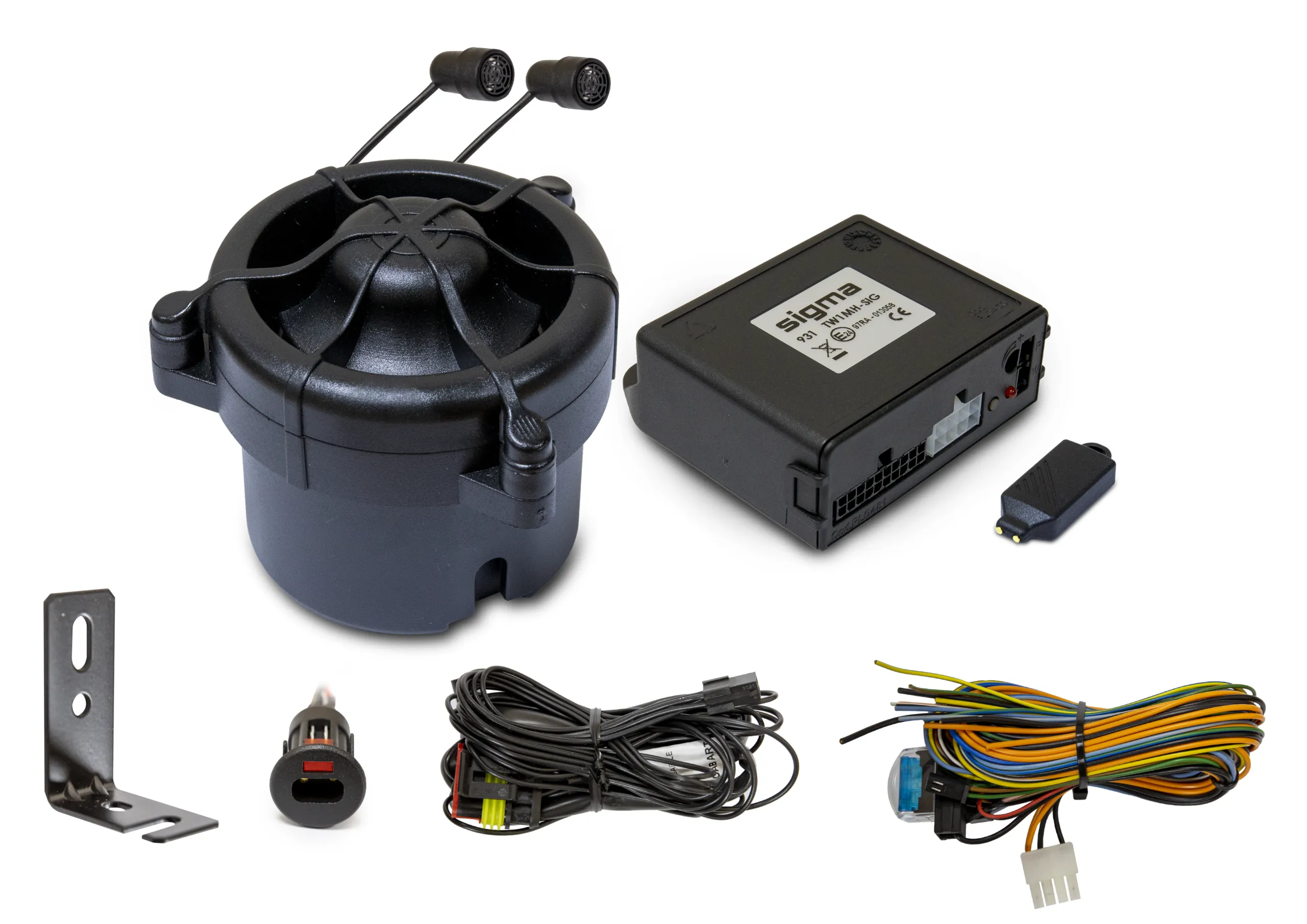
Earlier aftermarket immobilisers commonly worked with a relay that cut a single circuit, such as the starter or ignition feed. They helped against hot-wiring. Their weakness was physical.
- A known component: a relay box added in the wiring.
- A known location: often in similar places from car to car.
- One circuit: bridging it restored the feed.
- Visible clues: extra wiring or an LED showed a system was fitted.
A thief who knew what to look for could find the box, bridge the cut wire and drive away.
What makes an immobiliser harder to bypass?
The strongest designs close each of those gaps.
| Weakness | What closes it |
|---|---|
| Trusting the key | A second check the key can’t supply: a PIN or a separate tag |
| A box to find | No visible box, keypad or LED |
| A cut wire to bridge | Working through the vehicle network instead of splicing into the loom |
| Driver forgets to arm it | Arming automatically at ignition-off |
| Silent failure | Pairing with an alarm or monitored tracker that raises an alert |
A CAN bus immobiliser checks most of these boxes. The X-Series immobiliser arms itself when the ignition goes off and needs a custom PIN entered on the car’s own buttons, or a driver tag. It talks to the network rather than cutting into it, and there’s no keypad or LED to find. Our guide to the CAN bus immobiliser explains the mechanics.
Is any immobiliser impossible to bypass?
No maker would claim that. Given unlimited time and access, a determined thief can attack almost anything. Security works by making the job slow, uncertain and unrewarding, so thieves move on.
That’s why layering matters:
- A visible steering lock deters and adds time.
- An alarm reacts to forced entry and draws attention.
- A hidden CAN bus immobiliser stops the drive-away without your PIN or tag.
- A monitored tracker alerts a team and helps locate the vehicle.
Scorpion Defender X brings three of those together: a ScorpionTrack S5 tracker, a Scorpion alarm and the X-Series CAN bus immobiliser. With the S5 paired, any attempted theft raises an alert with Scorpion’s 24/7 control centre. Our page on how a CAN bus immobiliser works shows where it fits.
Thieves who lift a vehicle onto a truck skip the immobiliser altogether, and recovery takes over. VHF+ is being built to give recovery teams a radio signal for a vehicle hidden under cover.
Talk to us about bypass-resistant immobilisers
Want an immobiliser that’s genuinely hard to get past? Tell us your vehicle and we’ll recommend the right layers.
- Speak to us about layered vehicle security
- X-Series immobiliser for hidden PIN and tag protection
Frequently Asked Questions
Can an immobiliser be bypassed?
Yes. Factory immobilisers are routinely bypassed by relay attacks, key programming and CAN injection, which fool the key check rather than breaking it. An aftermarket immobiliser that needs a PIN or tag adds a check those methods can’t satisfy.
How do thieves get past a car’s immobiliser?
They make the car believe a valid key is present. They relay a keyless fob’s signal, program a new key through the diagnostic port, or inject fake key messages into the vehicle network, sometimes through headlight wiring.
Can a CAN bus immobiliser be bypassed?
No immobiliser is impossible to beat, but a CAN bus immobiliser is much harder. It’s hidden, cuts no wires and ignores the key, so relayed, cloned or programmed keys don’t release it without the PIN or driver tag.
What is the hardest immobiliser to bypass?
Look for one that’s independent of the key, hidden on the network, arms itself automatically and releases only on a PIN or tag. Pairing it with an alarm and a monitored tracker makes the whole vehicle harder to steal.
Is an immobiliser enough to stop car theft?
It stops the drive-away, which is the main goal. For high-value or often-targeted vehicles, add a visible deterrent, an alarm and a monitored tracker so a theft attempt is noticed and a stolen vehicle can be located.
Speak to our team
Questions about vehicle security, tracking or fleet telematics? Our UK team will point you to the right product for your vehicle or fleet.
Related Products
View all products →

- immobilisers
- keyless theft
- CAN bus
- X-Series
- VHF+

Mike B.
Software Engineer at Scorpion Automotive
Mike B. is a Software Engineer at Scorpion Automotive in Chorley. Vehicle security, immobilisers and keyless theft are the areas Mike covers.
Reviewed by James M., Technical Director at Scorpion Automotive


