Insurance Approved Tracker UK: What Insurers Ask For
By Morgan P. Reviewed byJames M.
In the UK, an insurance approved tracker usually means a Thatcham-assessed stolen vehicle tracker in the category your insurer names, normally S5 or S7, professionally fitted with a certificate and kept on an active monitoring subscription. Insurers set the rule, so the exact wording on your schedule or quote is what counts.
Key facts:
- “Approved” normally means Thatcham. Most insurers specify a Thatcham category rather than a brand.
- S5 and S7 differ. S5 includes driver identification; S7 doesn’t.
- Paperwork matters. Insurers can ask for the installation certificate and proof the subscription is live.
- A lapsed subscription can breach the condition. The monitoring is the point, not just the box.
- Some insurers name a provider. That’s a commercial choice; ask whether an equivalent category is accepted.
What does “insurance approved tracker” mean?
It’s insurer shorthand, not a formal standard. In practice it almost always refers to Thatcham Research’s tracking categories. Thatcham’s definitions describe S5, the Vehicle Tracking System, and S7, the Asset Location System, and both require 24/7 monitoring to BS 8591 Category 1 or an equivalent standard (Thatcham Research).
So when an insurer says “approved tracker”, the questions are:
- Which category? S5, S7, or either.
- Fitted by whom? Most want a professional installation with a certificate.
- Monitored? Almost always yes, for the life of the policy.
Our explainer what is Thatcham covers how products get assessed.
When is a tracker an insurance requirement?
Insurers tend to ask for a tracker when the theft risk or the value is high. Common triggers include:
- High-value or high-theft models, especially keyless cars that are popular with organised thieves.
- Motorhomes and campervans, which are costly to replace and often parked unattended.
- Commercial vans carrying tools or stock.
- Fleets and plant, where one theft disrupts work as well as costing money.
The requirement can appear at quote stage, at renewal or after a claim. Check every renewal, because conditions change.
S5 or S7: which does your insurer want?
The difference usually comes down to driver recognition.
| Category | Thatcham name | What it adds | Typical insurer use |
|---|---|---|---|
| S5 | Vehicle Tracking System | GPS, roaming SIM, driver identification device, motion detection | Higher-value cars where unauthorised use must be spotted fast |
| S7 | Asset Location System | Locating the asset within a set radius; at least one means of transmission | Lower-value vehicles, caravans, plant and trailers |
An S5 knows when the vehicle moves without its authorised driver, usually through a tag or card. An S7 locates the vehicle after a theft but doesn’t recognise the driver. If your insurer asks for S5, an S7 won’t meet it. If it asks for S7, an S5 normally exceeds it, but confirm. For how VHF relates to the categories, see does Thatcham require VHF.
What paperwork will your insurer want?
Keep these together, ideally as PDFs you can send in minutes:
- The installation certificate, showing the product, category, fitter and date.
- Proof of an active subscription, with its renewal date.
- Driver tag details for S5 systems, if the insurer asks.
- The monitoring centre’s contact details, for a claim.
If you change vehicles, ask the provider about transferring the unit or subscription, and tell your insurer about the new installation.
How do you stay compliant after fitting?
The common trip-ups aren’t technical:
- Letting the subscription lapse. Without monitoring, the tracker no longer meets the category.
- Ignoring health check alerts. Thatcham’s categories include a health check programme for a reason.
- Not responding to driver tag reminders. Low tag batteries cause false alerts and frustration.
- Forgetting to tell the insurer about a change of tracker or provider.
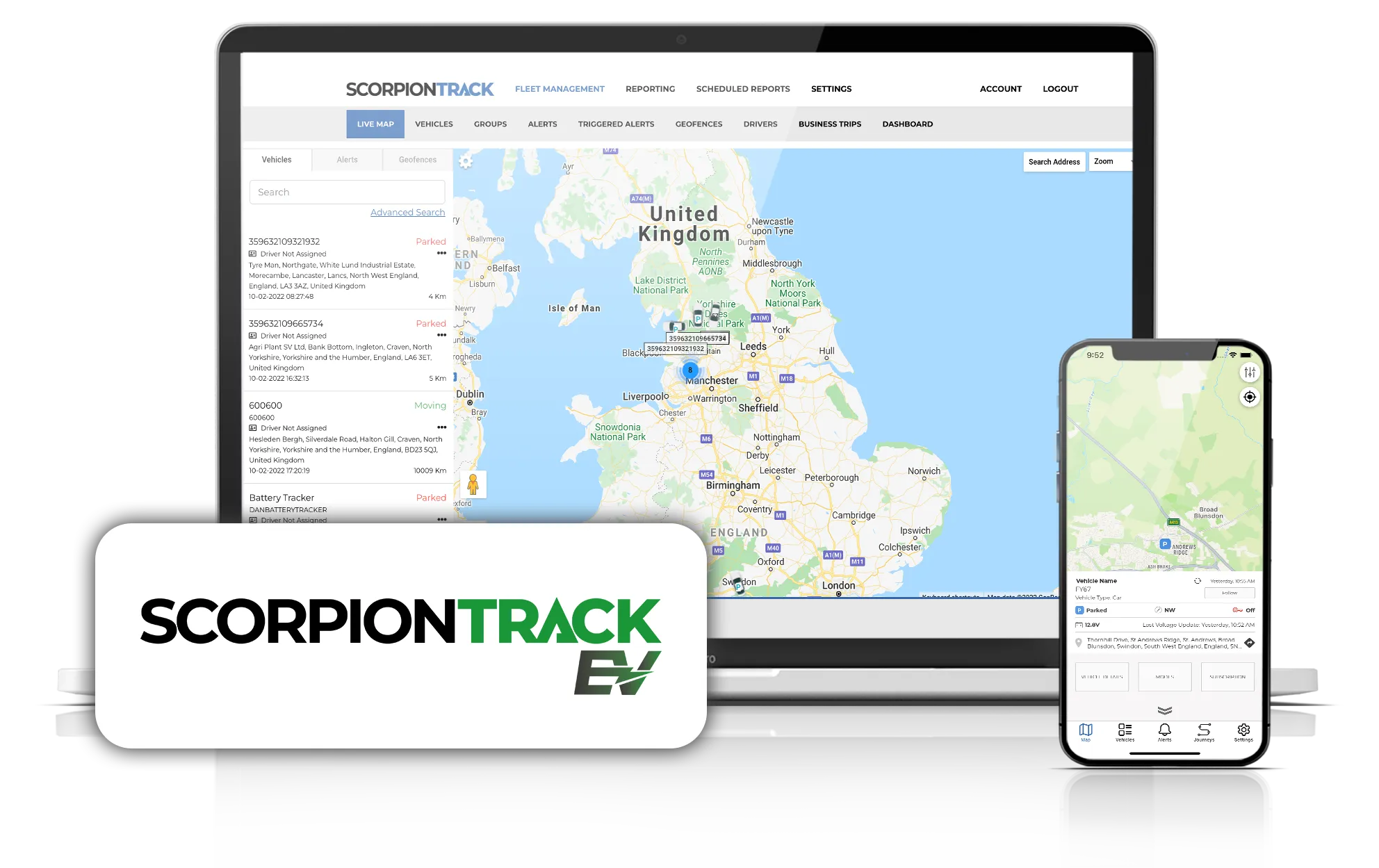
ScorpionTrack offers Thatcham approved trackers monitored 24/7/365 by a UK Secure Control Centre. See stolen vehicle tracking for the range.
Where does VHF recovery fit for insurers?
As an extra recovery layer, not a category. The UK’s largest SVR provider by connected trackers adds VHF to its portfolio: Scorpion Automotive holds Ofcom licence 1419997/1 (issued 15 September 2026) for the Scorpion VHF+ Recovery Network, now in pre-launch.
For underwriters the point is evidence. VHF+ keeps GPS and 4G tracking first, then adds a beacon that works alongside any tracker, so finders can locate vehicles in places GPS can’t see. We don’t claim a Thatcham approval for VHF+, and we’re inviting insurers to pilot it. The VHF recovery for insurers and fleets page has the detail. The licence behind it is explained in what the Ofcom licence covers.
Keep the certificate somewhere you can find it quickly: the stolen vehicle checklist shows when a claims handler asks for it.
Talk to us about a tracker condition
Whether you’re an insurer, broker, fleet or vehicle owner trying to meet a tracker condition, we’re happy to help you read the requirement.
- Speak to us about tracking for insurance.
- VHF recovery for insurers and fleets: the pilot programme.
Frequently Asked Questions
What is an insurance approved tracker in the UK?
It’s usually a Thatcham-assessed stolen vehicle tracker in the category your insurer specifies, most often S5 or S7. It should be professionally fitted with an installation certificate and kept on an active 24/7 monitoring subscription for as long as the insurer’s condition applies.
What is the difference between an S5 and S7 tracker for insurance?
An S5 includes driver identification, so it can tell when the vehicle moves without its authorised driver. An S7 locates the vehicle after a theft but doesn’t recognise the driver. If your insurer asks for S5, an S7 won’t meet the condition.
Do I need to keep paying the tracker subscription?
Usually, yes, for as long as your insurer requires a tracker. Thatcham’s S5 and S7 categories both include 24/7 monitoring, so a lapsed subscription can mean the tracker no longer meets the condition. Check your policy wording and keep proof of renewal.
Can my insurer insist on a specific tracker brand?
Some insurers or schemes name a preferred provider. That’s a commercial choice rather than a Thatcham rule. Ask in writing whether a tracker in the same Thatcham category from another provider is acceptable before you buy.
Does adding VHF change my Thatcham category?
No. The Thatcham category belongs to the tracker that’s fitted. A VHF recovery layer such as Scorpion VHF+ is an extra, and we don’t claim a Thatcham approval for it. Check with your insurer how they view any additional recovery layer.
Speak to our team
Want tracking backed by a recovery team that works 24/7 with UK police? Speak to us about the right system for your vehicles.
Related Products
View all products →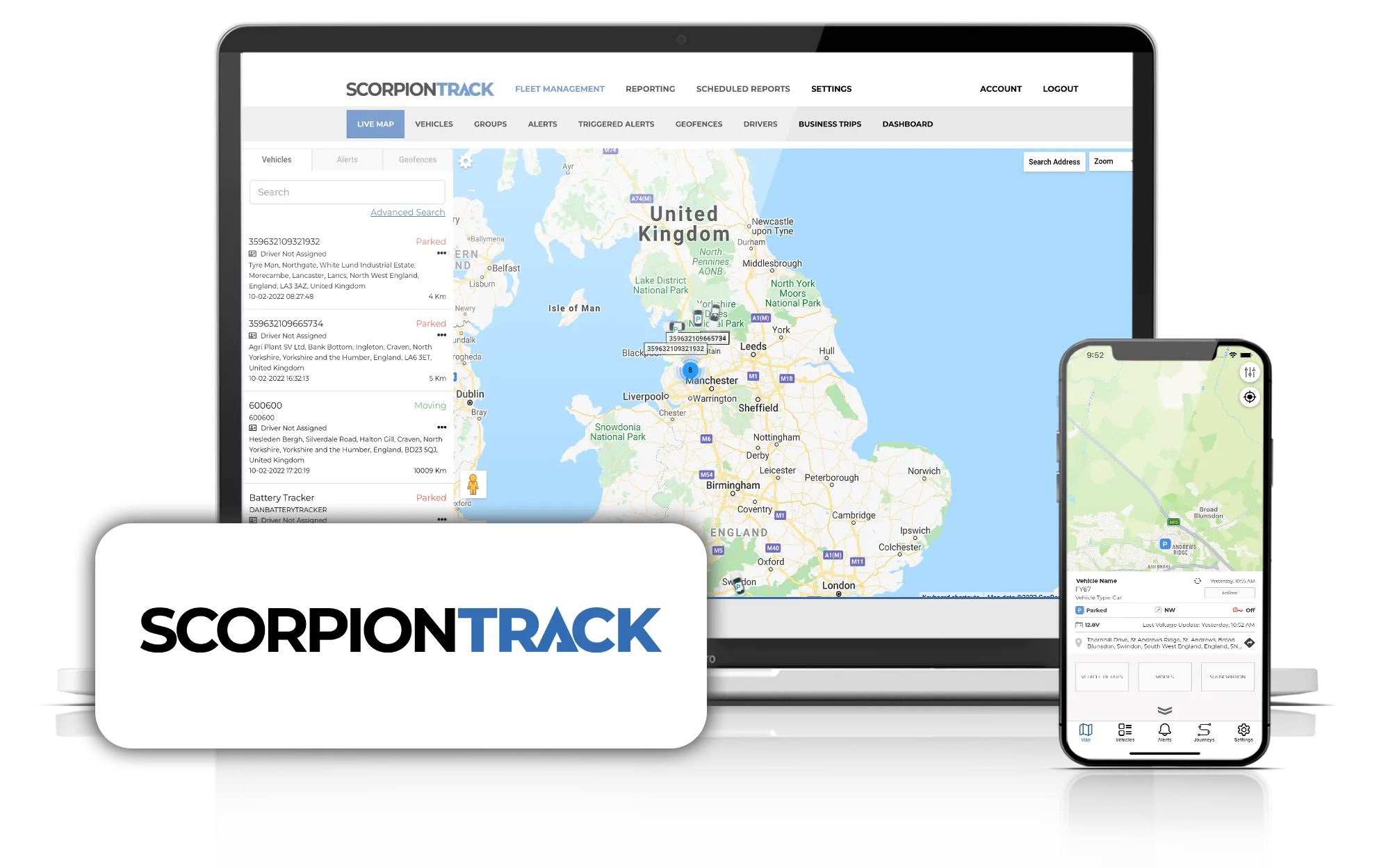

- insurance
- Thatcham
- stolen vehicle tracking
- VHF+

Morgan P.
Head of Tracking Support at Scorpion Automotive
As Head of Tracking Support at Scorpion Automotive in Chorley, Morgan P. writes about Scorpion VHF+, stolen vehicle tracking, theft data and international markets.
Reviewed by James M., Technical Director at Scorpion Automotive


