Insurance Approved Car Alarms: What Insurers Ask For and Why
By Ian D. Reviewed byJames M.
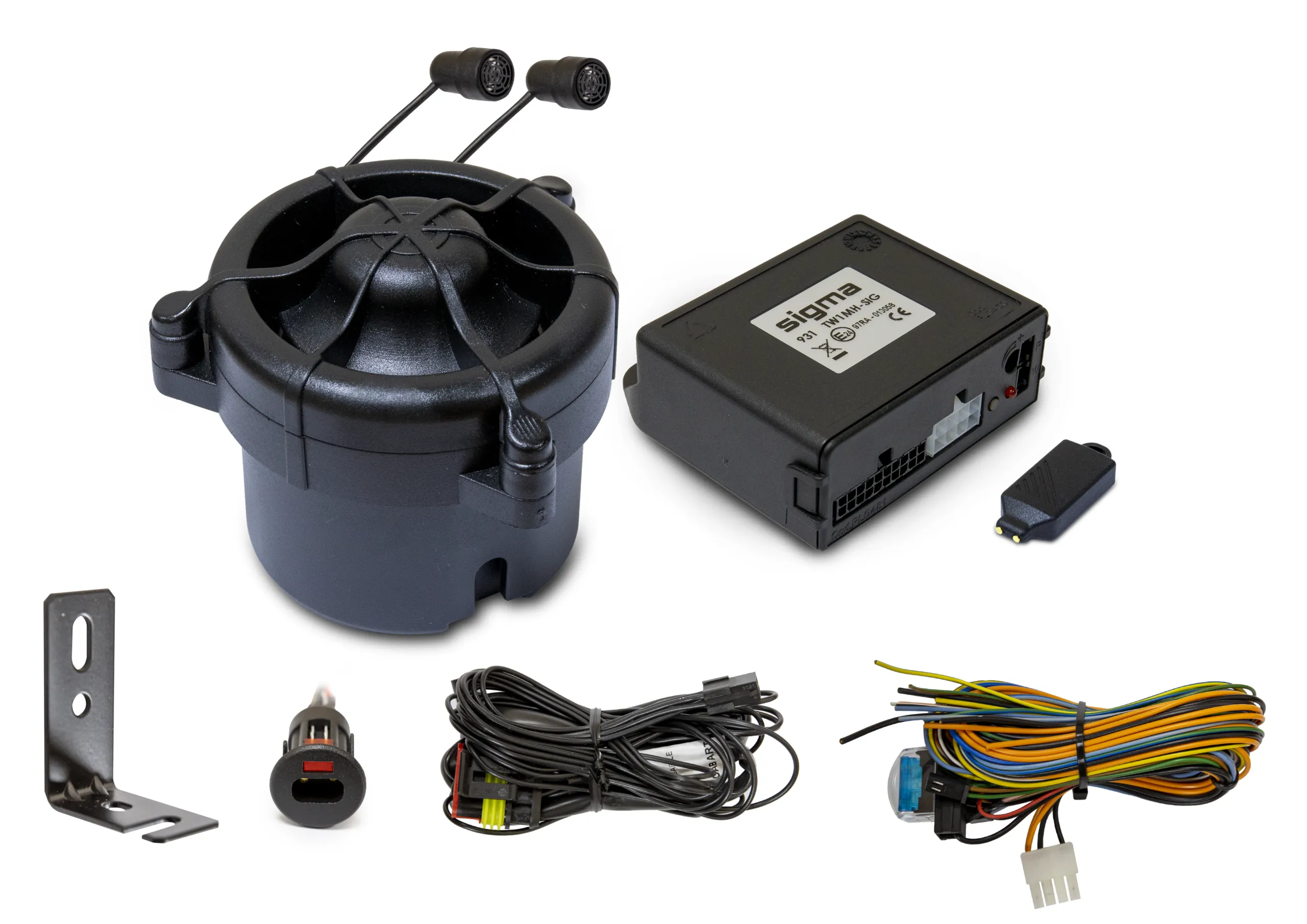
An insurance approved car alarm is one that meets the security condition your insurer sets. In the UK that usually means an alarm certified to a named Thatcham category, most often Category 1 or Category 2-1, fitted professionally with proof of installation. “Approved” belongs to your insurer’s wording, so the policy decides which alarm counts.
Key facts:
- Insurer defined: there’s no single national list of “insurance approved” alarms.
- Thatcham is the shorthand: most UK conditions name a Thatcham category.
- Category 1 is common: either a full system or a 2-1 upgrade on a qualifying immobiliser.
- Paperwork counts: an insurer may want a certificate as well as the alarm.
- Discounts vary: meeting a condition and earning a reduction aren’t the same thing.
What does “insurance approved car alarm” actually mean?
It means approved by your insurer for your policy. That sounds obvious, but it’s the source of most confusion.
Alarm makers often describe products as “insurance approved” because they hold a Thatcham category that UK insurers widely recognise. Thatcham itself is clear that its certification does not guarantee recognition by any particular insurer; that is agreed between the manufacturer and its insurer partners (Thatcham Research).
So the useful question isn’t “is this alarm insurance approved?” It’s “does this alarm meet the condition on my schedule?”
What do insurers usually ask for?
Security conditions come in a few common shapes. Read yours word for word.
- A named Thatcham category. For example, “Thatcham Category 1 alarm and immobiliser must be fitted and in working order.”
- A tracker category. For example, “Thatcham S5 tracking system with active subscription.”
- A general requirement. For example, “an alarm or immobiliser must be fitted”, without a category.
- A combination. Some high-value vehicles carry both an alarm category and a tracker category.
- Proof. A request for a certificate of installation, sometimes within a set number of days.
Our page on Thatcham Category 1 vs Category 2 explains what each category number covers, and What is Thatcham? lists all of them.
Why do insurers care so much about alarms?
Theft is expensive. The Association of British Insurers reported that the average claim for theft of and from a vehicle reached £11.2k in the fourth quarter of 2024, in a year when motor claims hit a record £11.7 billion (ABI).
A recognised alarm lowers the chance of that claim. A Thatcham category gives the insurer a consistent, tested standard, so it doesn’t have to judge each product itself.
Will an insurance approved alarm lower my premium?
Sometimes. The ABI says some insurers offer discounts for improving a car’s security, for example by fitting an immobiliser, and that these offers differ from one insurer to the next (ABI).
Put simply:
- where an alarm is a condition, fitting it keeps you insured; it may not reduce the price
- where it’s optional, some insurers reward it, some don’t
- the only reliable answer comes from your insurer, before you buy
How do I choose an alarm that meets the condition?
Match the alarm to the wording, then match the alarm to the vehicle.
| Condition says | What to fit | Scorpion option |
|---|---|---|
| Thatcham Category 1, vehicle has no qualifying immobiliser | Complete Category 1 alarm immobiliser | S30 |
| Thatcham Category 1, vehicle has a Category 2 immobiliser | Category 2-1 upgrade alarm | S32, S34 or S37 |
| Any alarm, no category named | Thatcham or non-Thatcham alarm | S4 or S12 also qualify as alarms |
| Thatcham S5 or S7 tracker | A tracker certified to that category | ScorpionTrack S5 or S7 |
All the alarm options above sit in the S-Series alarms range. Ask your insurer to confirm in writing if the wording leaves any doubt.
What paperwork should I keep?
Keep the certificate of installation and a note of the product and category. If a claim ever comes, those are the documents that show the condition was met.
Our guide to the Thatcham certificate explains what it shows, who issues it and what to do if it goes missing.
Check an insurer’s alarm wording with us
Got a security condition on your schedule? Send us the exact wording and the vehicle, and we’ll tell you what meets it.
- Speak to us about insurer requirements
- S-Series alarms for Thatcham Category 1 and 2-1 options
Frequently Asked Questions
What is an insurance approved car alarm?
It’s an alarm that meets the security condition set by your insurer. In the UK, that usually means one certified to a named Thatcham category, such as Category 1 or Category 2-1, fitted professionally with proof of installation.
Is a Thatcham alarm the same as an insurance approved alarm?
Not quite. Thatcham certifies the product; your insurer decides what it accepts. Most UK insurers use Thatcham categories in their conditions, so a Thatcham alarm at the right category usually satisfies them, but always check the wording.
Do I have to tell my insurer I’ve fitted an alarm?
Yes, tell them. A fitted alarm is a change to the vehicle’s security, and some insurers reflect it in the premium. If the alarm meets a condition on your policy, send the certificate of installation too.
Which Thatcham category do insurers ask for most?
Category 1 is the alarm category most often named, because it covers both an alarm and an immobiliser. On higher-value cars, insurers may also ask for an S5 or S7 tracker. Your schedule will say which.
Can I fit an insurance approved alarm myself?
Check the policy first. Many conditions expect professional fitting and a certificate of installation, which a self-fit can’t provide. A trained installer will also confirm the alarm works with your vehicle’s existing immobiliser.
Speak to our team
Questions about vehicle security, tracking or fleet telematics? Our UK team will point you to the right product for your vehicle or fleet.
Related Products
View all products →

- insurance
- Thatcham
- car alarms
- S-Series
- VHF+

Ian D.
Head of R&D at Scorpion Automotive
Ian D. is Head of R&D at Scorpion Automotive in Chorley and writes about Thatcham, insurance and OEM engineering.
Reviewed by James M., Technical Director at Scorpion Automotive


