The CESAR Scheme Explained for Plant and Agricultural Machinery
By Sam P. Reviewed byJames M.
The CESAR scheme is the UK’s official security marking and registration scheme for construction and agricultural machinery. Each registered machine gets a permanent identity, shown on visible triangular plates and backed by hidden markers, and recorded on a database the police can check at any time. It makes stolen machinery harder to sell and easier to return.
Key facts:
- Owned by the Construction Equipment Association (CEA) and delivered with Datatag.
- Launched in 2007, with more than 650,000 installations by late 2024.
- Visible and hidden markers: ID plates, RFID transponders, Datadots and forensic DNA.
- Police access to the database 24/7, including roadside checks through the RAPID app.
- Covers construction plant, agricultural machinery, quads and ATVs.
What is the CESAR scheme?
CESAR stands for the Construction and Agricultural Equipment Security and Registration scheme. It’s owned by the CEA, delivered in partnership with Datatag, and was launched in 2007. By November 2024 it had passed 650,000 installations, and in August 2025 the scheme reported it was nearing its 700,000th system.
The idea is simple. A stolen machine is only worth something if it can be sold. Give every machine a permanent, checkable identity, and selling it becomes much harder.
Many manufacturers now fit CESAR as standard, and it is supported by the Agricultural Engineers Association on the farm machinery side.
What does CESAR marking include?
A CESAR system combines things a thief can see with things they can’t.
- Triangular ID plates. Tamper-evident plates with a unique CESAR number, fitted where they’re easy to see.
- RFID transponders. Hidden electronic tags that can be read with a scanner.
- Datadots. Microscopic dots that carry the identity.
- Forensic DNA. A covert solution that marks parts with a traceable signature.
- Warning decals that tell a thief the machine is registered.
According to the scheme, this combination means machinery can still be identified even if it’s been dismantled or had its plates removed.
How do police use CESAR?
Every CESAR identity is recorded on a secure database that police and law enforcement can access 24/7. Officers use the RAPID app (Registered Assets Police Information Database) to check machines in the field, at the roadside or in ports.
That matters for two reasons:
- Recovery. When police find suspect machinery, they can confirm the rightful owner quickly.
- Disruption. Specialist officers trained to recognise CESAR marking can stop stolen plant leaving the country.
The scheme also reports that police and insurance data show CESAR-marked machines are four times less likely to be stolen and six times more likely to be recovered than unmarked equipment. That’s the scheme’s own claim, but it reflects the principle: visible marking deters, and hidden marking proves ownership.
Which machines can be CESAR registered?
CESAR started in construction and has grown across agriculture. It covers:
- Construction plant such as excavators, dumpers and telehandlers.
- Agricultural machinery, from tractors to trailers.
- Quads, ATVs and side-by-sides. Kawasaki, for example, began fitting CESAR to its utility ATVs from 2024.
- Compact equipment and attachments.
If you’re buying new, ask the dealer whether CESAR is fitted as standard. For machines you already own, ask the scheme or your dealer about registration.
CESAR and the Equipment Theft (Prevention) Act
The Equipment Theft (Prevention) Act 2023 gives the government power to require immobilisers and marking with a unique identifier on certain new off-road vehicles and agricultural or commercial equipment sold in England and Wales. Kawasaki cited the Act when it adopted CESAR for its ATVs.
Our guide to tractor security explains what the Act covers and how farms protect their machinery in the meantime.
CESAR, immobilisers and tracking compared
CESAR is one layer, not the whole answer. It doesn’t stop a machine being taken, and it doesn’t tell you where it is.
| Layer | What it does | When it helps |
|---|---|---|
| CESAR marking | Proves identity and ownership | When police find a suspect machine |
| Immobiliser | Stops the machine being started | At the moment of theft |
| Tracker with monitoring | Alerts on movement and locates the machine | During and after the theft |
| Site security | Controls access to the yard or compound | Before the thief gets close |
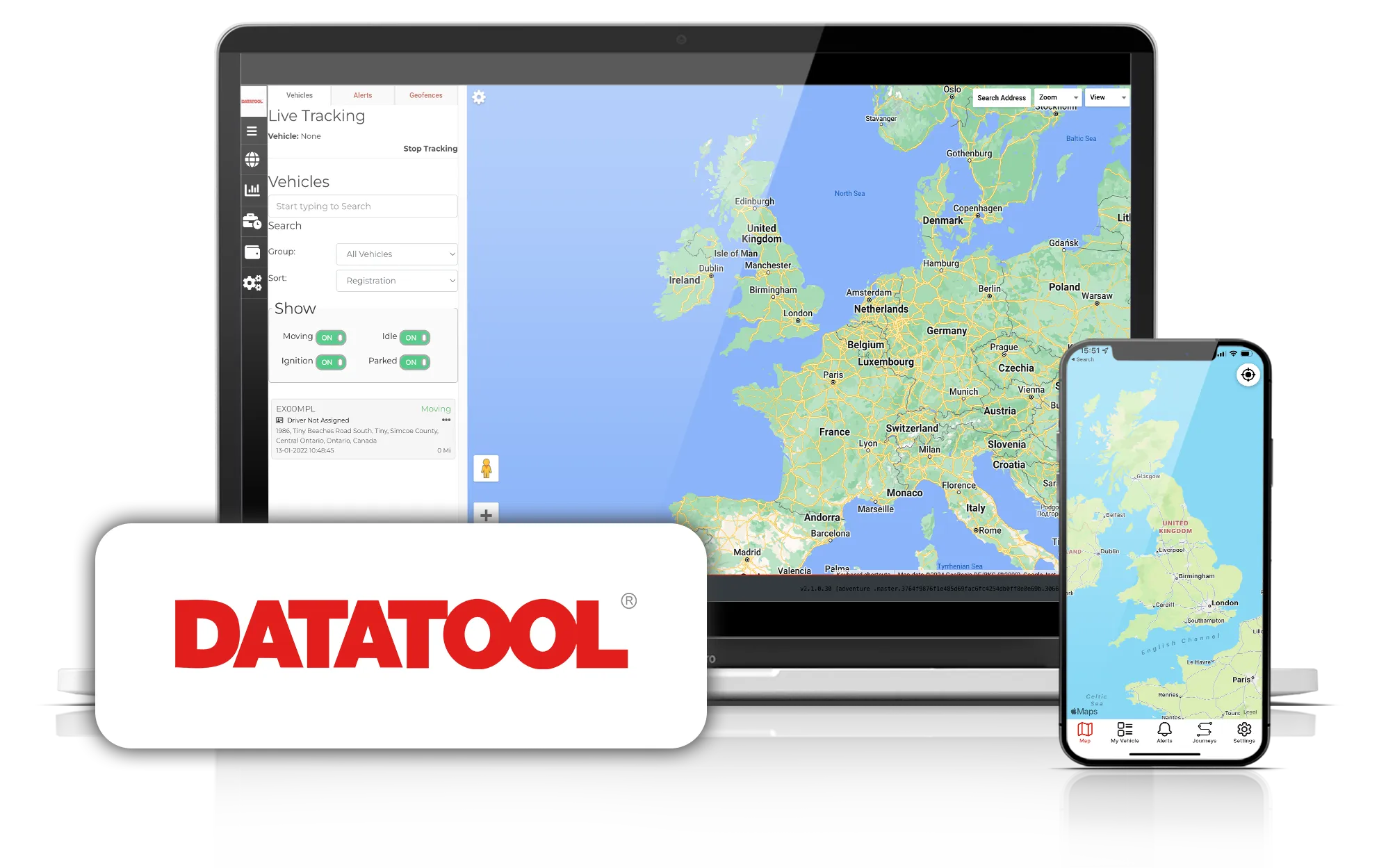
ScorpionTrack’s plant and agricultural tracking adds the tracking layer, with insurance-approved S5-VTS and S7-ALS systems and the option of 24/7/365 monitoring from the UK ScorpionTrack Monitoring Centre. For quads and ATVs, Scorpion’s Datatool brand offers trackers and security systems, including Datatool DNA marking.
Marking proves who owns a machine once it’s found. Finding it inside a barn or shed is harder, and Scorpion VHF+ adds a radio beacon to a tracker for that search.
Talk to us about marking and tracking plant
If you’re registering machinery with CESAR and want tracking alongside it, tell us what you run and we’ll recommend a system.
- Speak to us about plant and farm machinery security
- Plant and agricultural tracking with S5-VTS and S7-ALS
Frequently Asked Questions
What does CESAR stand for?
CESAR stands for the Construction and Agricultural Equipment Security and Registration scheme. It’s owned by the Construction Equipment Association and delivered with Datatag, and it’s the UK’s official marking and registration scheme for construction and agricultural machinery.
How does CESAR marking work?
Each machine gets a unique identity on visible triangular plates, hidden RFID transponders, Datadots and forensic DNA. The identity is recorded on a secure database that police can check 24/7, so a stolen machine can be identified and returned.
Is CESAR registration worth it?
For most plant and farm machinery owners, yes. Visible plates deter thieves, hidden markers prove ownership, and police use the database to identify stolen machines. It works best alongside an immobiliser and a tracker.
Can quads and ATVs be CESAR registered?
Yes. CESAR covers quads, ATVs and side-by-sides as well as construction and agricultural machinery, and some manufacturers fit it as standard to their ATVs.
Does CESAR track my machine?
No. CESAR marks and registers a machine so it can be identified; it doesn’t report location. To know where a machine is, add a tracker with movement alerts, ideally with 24/7 monitoring.
Speak to our team
Questions about vehicle security, tracking or fleet telematics? Our UK team will point you to the right product for your vehicle or fleet.
Related Products
View all products →
- plant security
- agricultural security
- CESAR
- rural crime

Sam P.
R&D Technician at Scorpion Automotive
Sam P. works as an R&D Technician at Scorpion Automotive in Chorley, covering commercial and specialist vehicles, trade partners, and fitting and vehicle electrics.
Reviewed by James M., Technical Director at Scorpion Automotive


